Nearly 550 arrested during Chicago area immigration crackdown so far, official says
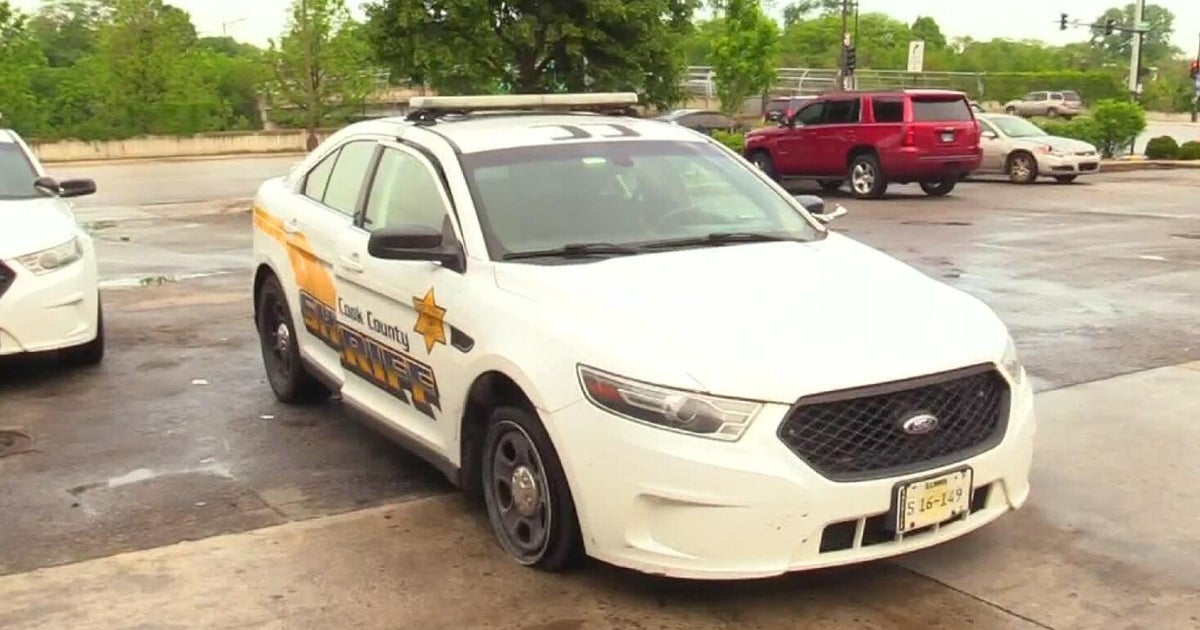
Immigration enforcement officials have arrested nearly 550 people as part of the Trump administration's crackdown on illegal immigration in the Chicago area, which began less than two weeks ago, a top Department of Homeland Security official told CBS News.
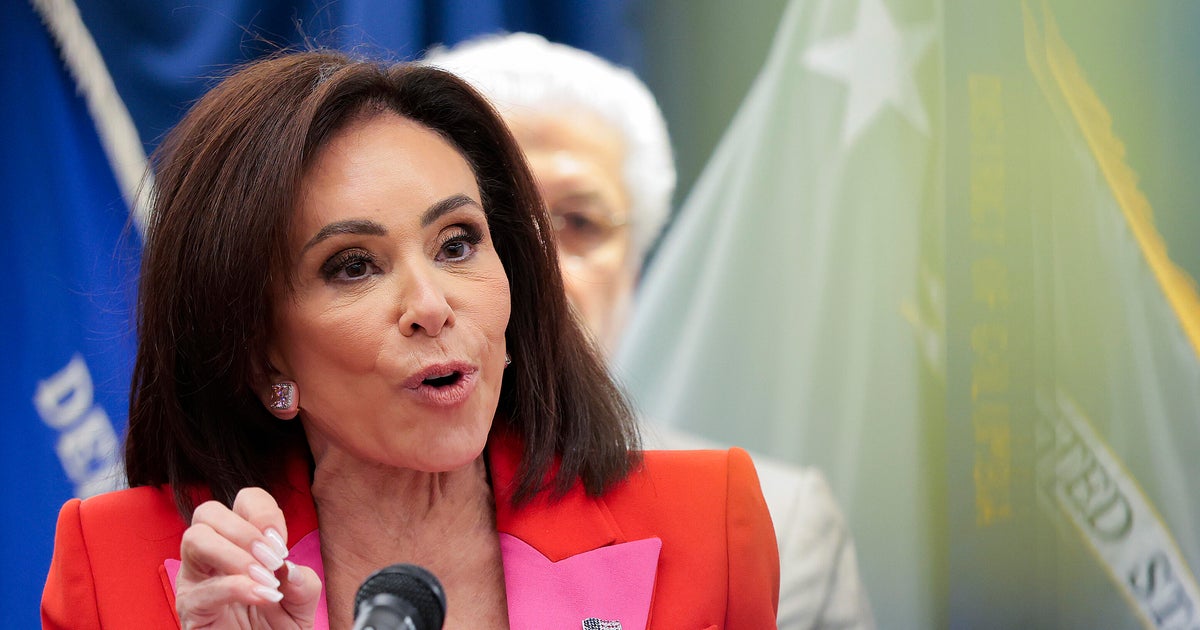
"Operation Midway Blitz in honor of Katie Abraham has resulted in almost 550 arrests. Every arrest is a testament to DHS and its law enforcement's dedication to enforcing the laws of our nation. We will not be deterred by sanctuary politicians or violent rioters," DHS Assistant Secretary for Public Affairs Tricia McLaughlin said.
Marcos Charles, the acting head of ICE's Enforcement and Removal Operations, earlier told the Associated Press that more than 400 people had been arrested so far during "Operation Midway Blitz."
The arrest number, which has not been widely reported, offers an early gauge of what is shaping up as a major enforcement effort that comes after similar operations were launched in Los Angeles and Washington, D.C.
When asked whether he thought that amount of arrests at this point in the operation was positive, Charles said 400 is a "solid number," adding that the figure includes arrests made by other federal agencies besides ICE who are assisting in the campaign.
"We're going to be conducting this operation until we feel that we've been successful," he said. "There's not an end date in sight."
ICE launched its Chicago area operation dubbed "Midway Blitz" on Sept. 8, drawing concern from activists and immigrant communities who say there's been a noticeable uptick in immigration enforcement agents. That has deepened dread in communities already fearful of the large-scale arrests or aggressive tactics used in other cities targeted by President Trump's hardline immigration policies.
The operation has brought allegations of excessive force and heavy-handed dragnets that have ensnared U.S. citizens, while gratifying Trump supporters who say he is delivering on a promise of mass deportations.
The Trump administration has promised to send an influx of immigration agents and National Guard troops to Chicago, over the fierce objections of local leaders and residents. A military deployment to Chicago has yet to materialize even as immigration enforcement operations continue.
Officials and activists in the Chicago area opposed to the enforcement surge argue the approach is dangerous and imprecise, pointing to accounts of two U.S. citizens who were briefly detained this week by federal officers focused on immigration enforcement. Advocates also have protested the death of a man shot by an ICE officer on Sept. 12 after authorities said he tried to flee during a traffic stop, dragging the officer.
Charles said roughly 50% to 60% of the Chicago operation arrests were targeted arrests, meaning they were specific people that ICE was trying to find because they had committed a crime, had a final order of removal or had done something that put them on ICE's radar.
The rest were what's often referred to as "collateral arrests," meaning people that ICE comes across during their operations who aren't the person they're looking for but are in the country illegally, so ICE can arrest them.
Collateral arrests were not allowed during the Biden administration but the Trump administration threw out those restrictions almost immediately after coming into office as part of Mr. Trump's efforts to beef up deportations.
"It doesn't mean that the collateral arrests are non-criminal. Some of our collateral arrests ... also have criminal convictions and arrests. They just weren't the people we were looking for at the time," said Charles.
The Department of Homeland Security launched "Midway Blitz" after months of Trump administration criticism of Chicago and Illinois over state and local policies that restrict law enforcement cooperation with ICE.
ICE says these policies mean that immigrants who've committed crimes in the U.S. and can be deported as a result are instead released into the community. ICE says it then has to go out into the community and track them down to remove them.
Many local officials and activists have said that immigration enforcement is a federal responsibility and that if they cooperate with ICE, it makes it less likely that immigrants who are victims or witnesses to crime will come forward to work with police.