Massachusetts Secretary of State Bill Galvin is in a series of new ads. What are they and who's paying for them?
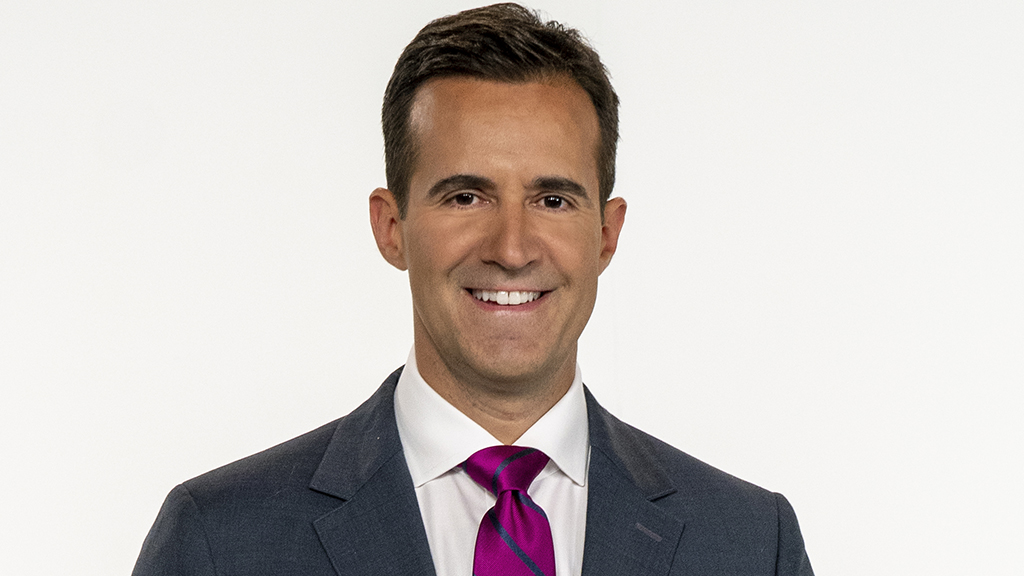
Massachusetts Secretary of State Bill Galvin is in series of television commercials airing in the Boston area at a time when he's running for re-election.
The ads are paid for with public money. A viewer reached out to WBZ-TV wanting to know what's behind them.
Galvin, who's in charge of the state's elections, narrates the 30 second commercials promoted by his office to celebrate America's 250th anniversary. They begin with Galvin talking over patriotic images of local heroes from the Revolutionary War. He gives mini history lessons on what these brave men did to help birth a nation. A disclaimer at the bottom of the screen says some of the images are AI generated.
WBZ viewer Steven Gusenoff of Newton saw the ads and had some questions. He liked the commercials at first.
"But then it ran again, and again, and again. Day after day, week after week, and every channel I turned on," he said. "What is the value and meaning of the spot? What was the cost to produce the spot? What was the cost of the media buy? And most importantly, who was paying for this media adventure?"
Gusenoff noticed that Galvin talks about freedom, voting and how it's more important than ever to stand up for democracy. But, there's no specific information about voting, registering to vote or how to find out about important races and ballot questions. Galvin is in charge of the state's elections.
Galvin's not accused of any ethics violations and he's not accused of any wrongdoing at all. But, it's not the first time viewers have wondered about Galvin's role in commercials. Going through the WBZ-TV archives, we found that 10 years ago, other viewers had also questioned why he's in so many commercials.
What do the ads cost?
The secretary's office said the new spots cost $23,000 to produce and $180,000 to buy the air time. Of that $203,000, about $30,0000 had been offset by donations from sponsors Arbella and Liberty Mutual.
The state was hoping for more donations by the end of the fiscal year in June, but the balance would be paid for by taxpayers. So, right now, that's $173,000.
Where does the money come from?
The money comes from the budget of the State Archives and the Commonwealth Museum. Both fall under the umbrella of the Secretary of the Commonwealth's office. The State Archives building is in Dorchester near UMass Boston.
It's a beautiful building where you might go to gather documents to piece together your family tree. It is also home to some of the most important documents in our state's history.
The Commonwealth Museum, attached to the Archives building, has great artifacts and even had a copy of the Declaration of Independence. Right now, it has a great display to commemorate our nation's 250th birthday. That is where Galvin's "freedom" commercials come in.
Why is the museum not advertised?
Galvin's ads talk about some of the historical figures being honored at the exhibit at the Commonwealth Museum. But, nowhere in the commercials is the museum mentioned, except a URL for the museum's website that pops up in the final seconds on only one version of the ad that is airing.
There is no "come see this amazing museum and learn more about our history." Just stories about Henry Knox and Paul Revere and messages about standing up for our freedom. Galvin is also featured prominently.
Are these campaign ads?
Galvin met with WBZ at the museum to talk about the ads. He said he's very proud of them, and the viewer who asked about the ads said he loved them too. But the questions remained. What's the point? Are they basically campaign ads for Galvin, who is planning on running for re-election in the fall?
Galvin bristled at the idea of these ads being campaign ads.
"I think this is a very appropriate expenditure of public funds," he said. "That is not a political commercial, not at all, not at all. It's a historical commercial. That's what it's about."
Galvin disagreed with any critics who said he shouldn't be in the ads in a campaign year.
"The election isn't going to be for eight months from the time of the commercial run," he said.
Galvin was asked why the Commonwealth Museum and State Archives weren't mentioned if the commercials were being paid for from those budgets. He said a 30-second ad didn't give him enough time to give a history lesson and also mention the museum.
"I could have put a shot of the outside of the building but then people wouldn't understand why there was a shot of the building," he said, before being told that it would have taken seconds to mention where residents could learn more.
"Time is tight. I would have had to sacrifice talking about Henry Knox and George Washington," he replied.
If the hope was to prop up the museum, why did Galvin not have someone from the museum narrate the commercial? Galvin said that as the chairman of the Massachusetts Historical Commission, it was his job and he didn't think anyone else could do it.
"I could have hired a professional actor. I could have hired a professional broadcast person, but that would cost money too," he said.
If you would like to see the commercials in question, the secretary has them on the office's YouTube page.
If you have a question you'd like us to look into, please email questioneverything@cbsboston.com.