Brian Walshe defense calls no witnesses in Massachusetts murder trial, in what legal expert calls "stunning" move
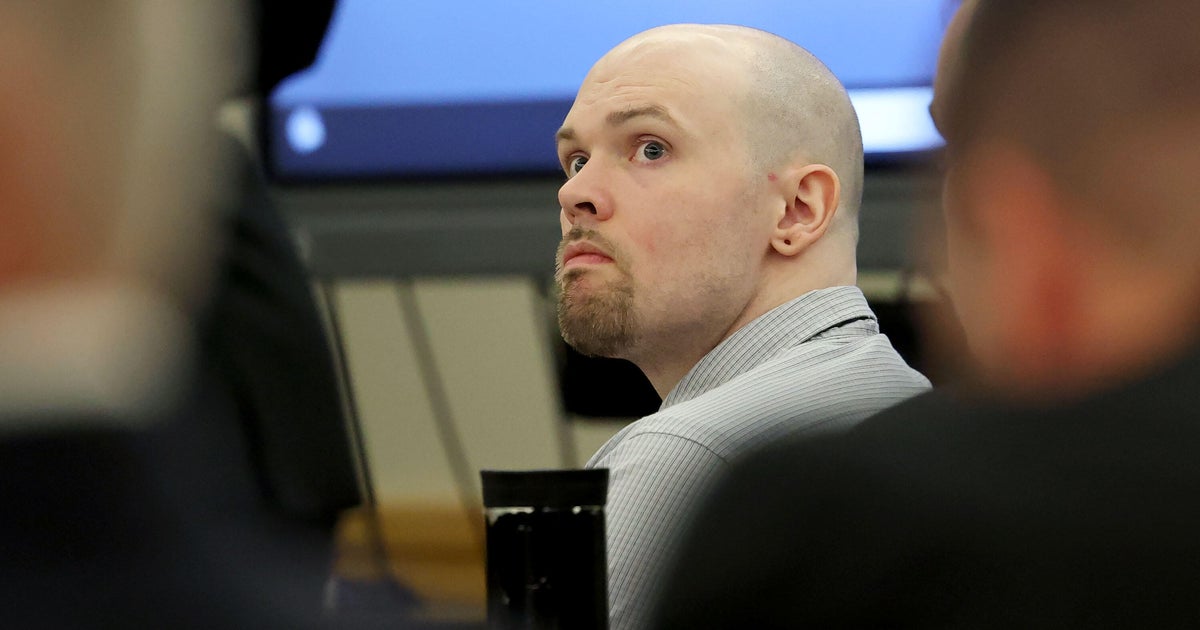
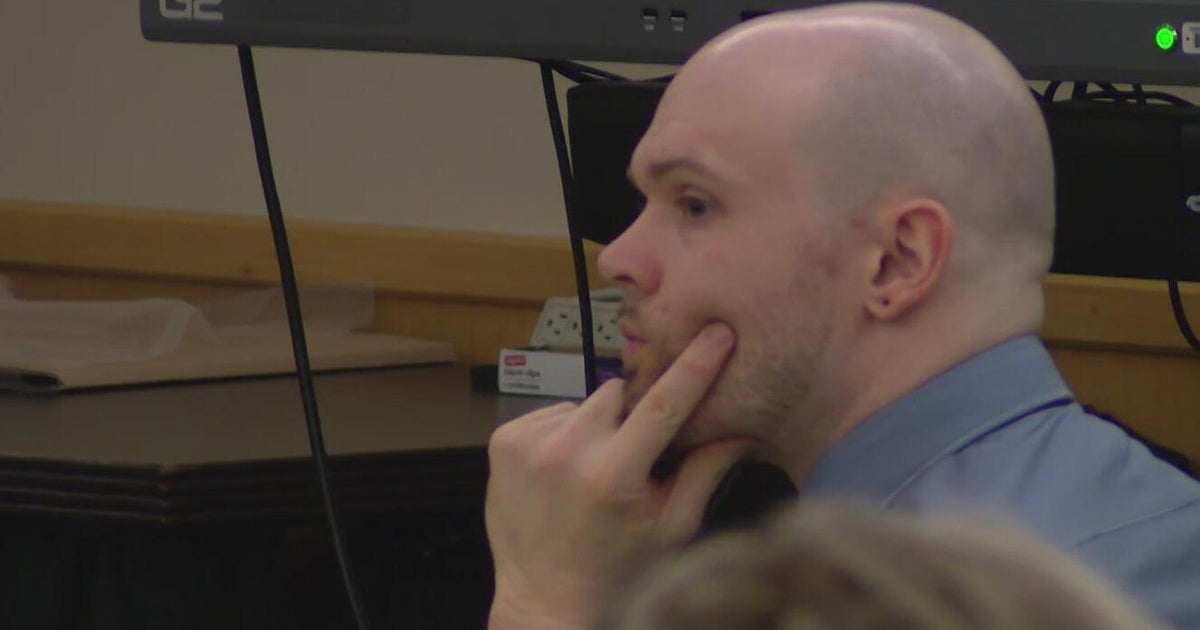
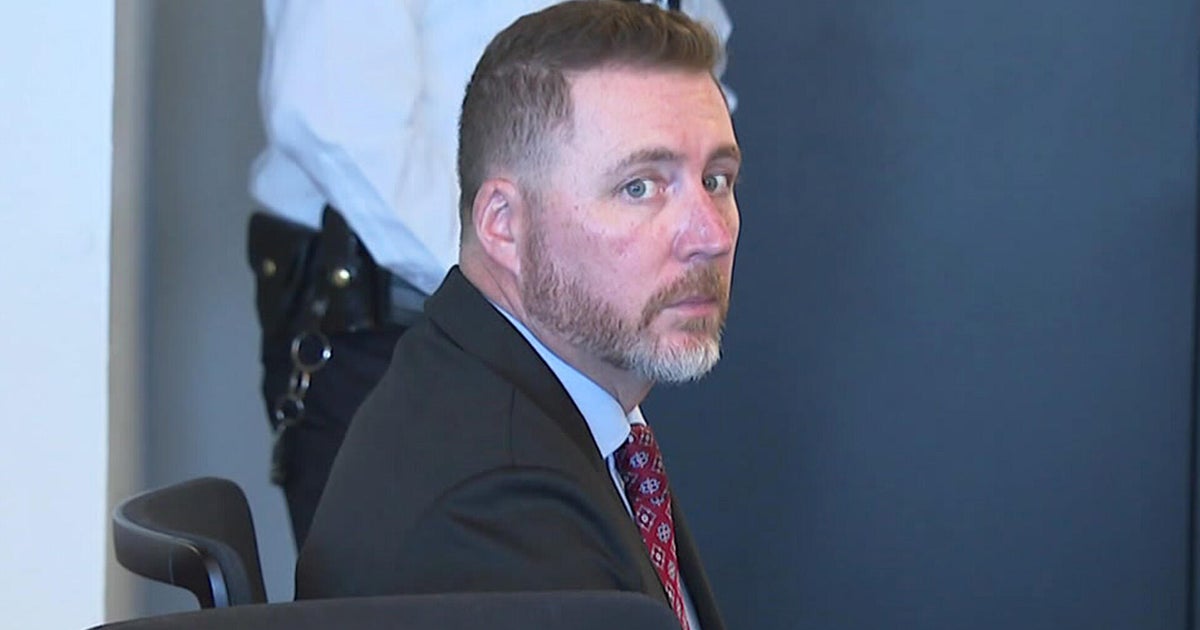
Brian Walshe's defense rested on Thursday without calling any witnesses, setting the stage for closing statements on Friday. Walshe did not take the stand in his own defense in his trial as he faces a first-degree murder charge in the death of his wife Ana.
The defense was set to begin calling witnesses in his Massachusetts murder trial a day after the prosecution rested its case. Instead, the day started without jurors in the courtroom as the defense said it would not call any witnesses.
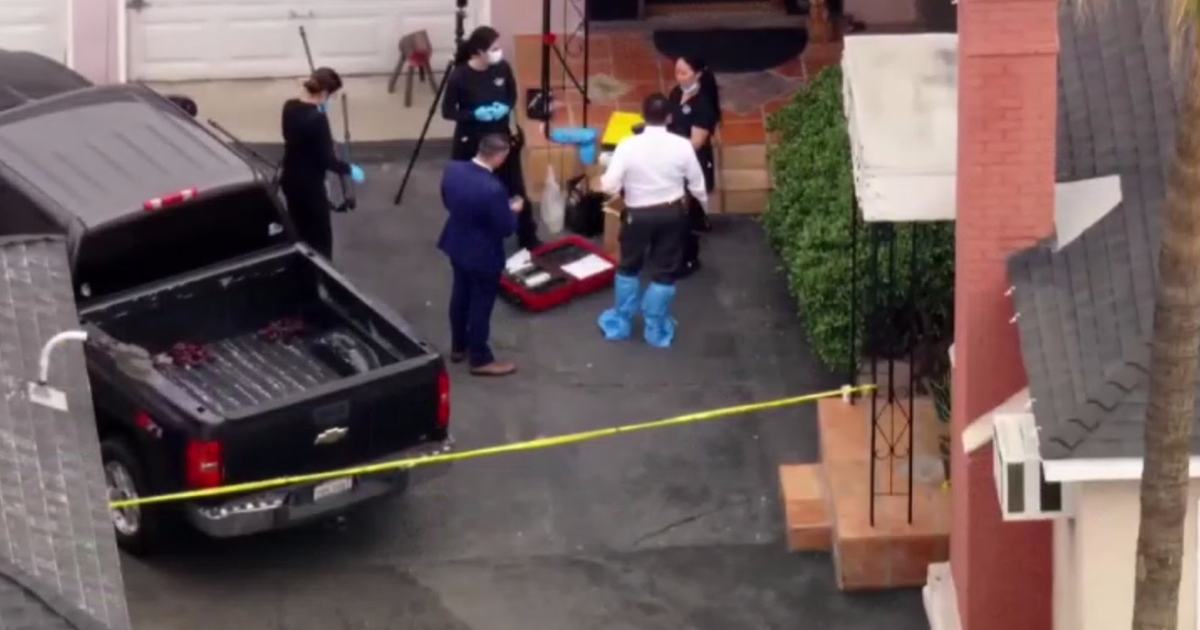
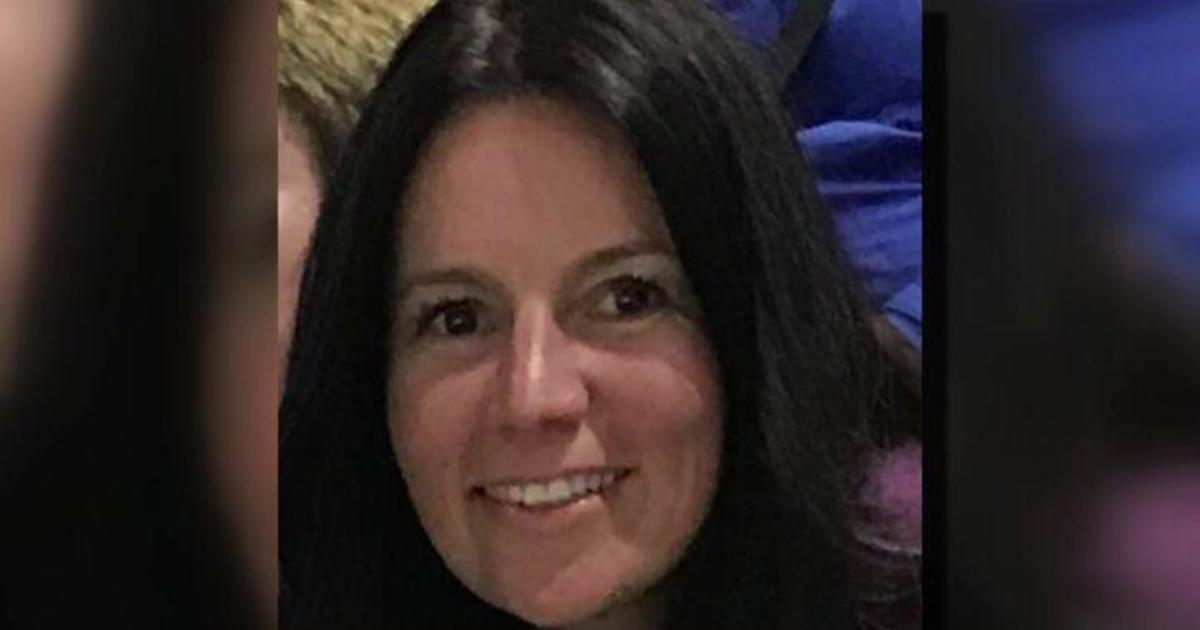
Walshe is accused of killing his wife Ana, who was last seen early New Year's Day 2023, and dismembering her body.
Brian Walshe, 50, has pleaded not guilty to a first-degree murder charge. His defense argues that Ana Walshe died unexpectedly following a New Year's Eve party, and her husband panicked when he found her unresponsive. Ana's body has never been found.
On the first day of jury selection, Brian Walshe pleaded guilty to charges of misleading police and improperly disposing of a body.
Judge Diane Freniere ruled that jurors would not be allowed to know that Walshe pleaded guilty to those charges.
Brian Walshe defense rests
After eight days of testimony from witnesses, the prosecution rested its case Wednesday afternoon.
Before the jury was brought in, Judge Freniere asked if defense attorneys planned to call any witnesses. They said they did not, and would not be calling Walshe.
The judge then questioned Walshe about his decision not to take the stand. He confirmed that he was aware of his rights, and made the decision on his own with a clear mind. After asking Walshe several questions, the judge accepted his decision not to testify and brought in jurors.
"Does the defense wish to call any witnesses in this case?" Freniere asked with the jury present.
"We do not," Walshe's attorney responded.
Closing statements are scheduled for Friday morning. Assistant District Attorney Anne Yas will present the closing for the prosecution while Larry Tipton will give the closing argument for the defense.
The judge agreed to allow each side to have about 45 minutes for their closings.
"Stunning" decision by Brian Walshe defense
WBZ-TV legal analyst Jennifer Roman called Thursday's decision a "stunning" one by the defense.
"This was the third big surprise we have seen in this case. It was just stunning almost what the defense did today," Roman said. "First big surprise coming in when Brian Walshe pled guilty to the improperly disposing of a body charge. Second big surprise, sudden unexpected death syndrome. And now this, no witnesses from the defense."
Roman said the key now will be if the prosecution provided enough evidence that Brian Walshe planned in advance to kill his wife.
Prosecutors alleged that Walshe killed Ana for financial reasons, and because she was having an affair that was taking her away from her family.
"We never really got a clear view that Brian Walshe suspected or knew that Ana Walshe was having an affair. There was contradictory testimony about Ana Walshe and Brian Walshe's financial circumstances," Roman said, adding, "I think they really struggled on that premeditation piece."
If convicted of first-degree murder, Walshe faces live in prison without the possibility of parole.
"The jury could come back with a guilty finding on a lower charge than first-degree murder. It could be second-degree, it could be involuntary manslaughter. So they could come back, he could still be convicted even if they don't find premeditation," Roman said.
Who would have testified for Brian Walshe's defense?
There were eight potential witnesses on the defense's list who ended up not being called. They included several forensic and DNA experts and Tracy Miner, who is Walshe's former attorney.
Another person on the defense witness list was Michael Proctor. He was the lead investigator in the Karen Read trial but was fired by Massachusetts State Police for his conduct in that case.
Proctor was also an investigator in Walshe's case.
The fired trooper was fighting to get his job back, but withdrew his appeal when hundreds of thousands of files from his cellphone dating back as far as 2013 were discovered. Sources told WBZ's I-Team, the contents of the texts include racial slurs and inappropriate language.