Should smart glasses be allowed in classrooms? Some Massachusetts school districts are taking action.

As wearable technology becomes more common in public spaces, school leaders in Massachusetts are taking steps to address concerns about smart glasses in the classroom.
The Cambridge School Committee recently approved a districtwide ban of smart glasses on school properties. Worcester School Committee members are expected to consider a similar proposal at their meeting Thursday.
School officials say devices such as Meta smart glasses, which can record audio and video, present new challenges as educators try to keep students focused while adapting to emerging tech.
"I'd say there are three areas of tech in schools at a high level that sort of present concerns," Cambridge School Committee member Arjun Jaikumar said, including academic integrity, classroom distractions and privacy.
"We viewed it as an opportunity to get ahead of the technology and establish a policy for use that we could adapt," Jaikumar said about the district's new policy. "Rather than being reactive."
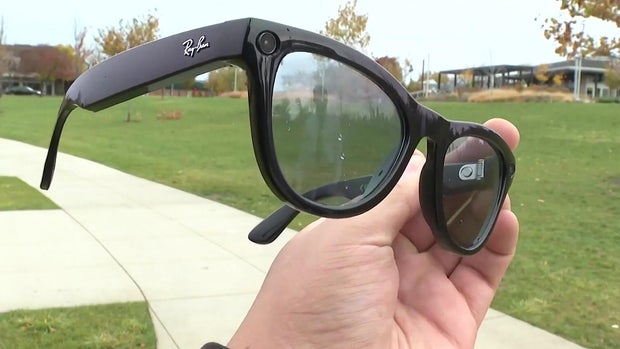
Because smart glasses can record audio and video, sometimes discreetly, Jaikumar said school officials are particularly concerned about students or adults being recorded without knowing it.
"It is important to get ahead of this technology so that you know, students and adults in our school communities are not being recorded without their consent," he added.
Some parents say they support restrictions on technology.
"I think it's a good idea. I think that they can find other ways and other times where students can still adapt and learn the technology but without distraction during school time," said Katerina Yakimkina, whose 7-year-old daughter, Veronica, says she's seen them distract her classmates firsthand.
"They just take them off, play with them, play with the cameras on," Veronica said. "And stuff like that is going on and they're distracted, and when they are distracted, they won't know what to do after the teacher explains all of the work."
Cambridge's policy includes potential exemptions that could allow students to use wearable technology in the future if it could improve their learning, such as in the case of a disability.
Similar exemption language is included in the Worcester proposal that school committee members are expected to consider Thursday.


