Experimental Vaccine For Respiratory Syncytial Virus Could Save Babies From Infection
BOSTON (CBS) -- Help may soon be on the way to protect healthy infants from a common and sometimes life-threatening respiratory virus.
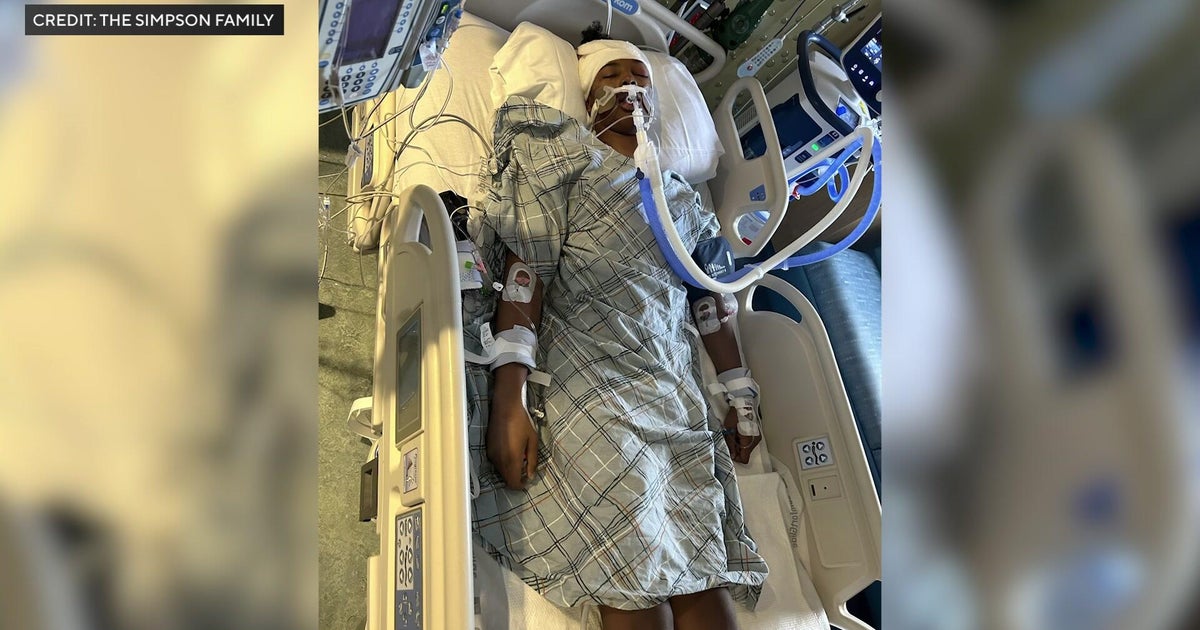
Respiratory Syncytial Virus, or RSV, is a respiratory virus that sickens millions of babies and young children every year. RSV causes common cold symptoms in older children and adults, but in children under one, it can cause a pneumonia-like illness called bronchiolitis, with wheezing and difficulty breathing.
In fact, RSV is the leading cause of hospitalization in infants and likely kills more babies than the flu.
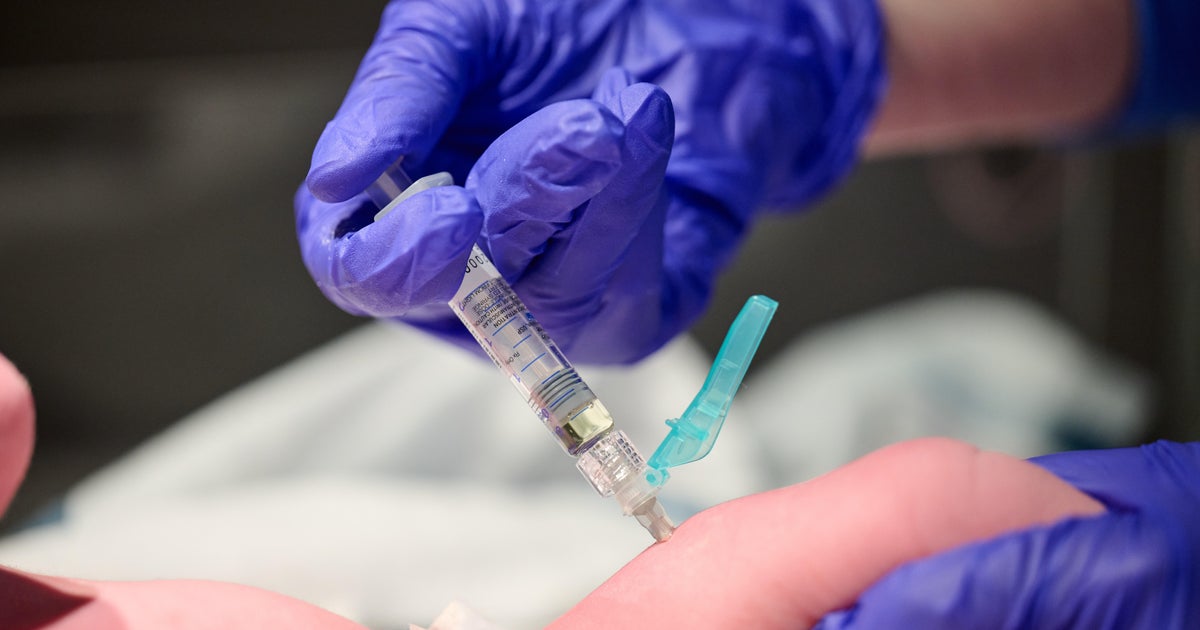
But a new study published in the New England Journal of Medicine found that a single dose of an experimental vaccine containing a long-acting monoclonal antibody against the virus was nearly 75% effective at protecting infants from infection.
If approved, it could be given in the fall to protect babies through the winter when RSV thrives.