Minimum gratuity during "peak" season, higher tip wage on the table at Massachusetts State House
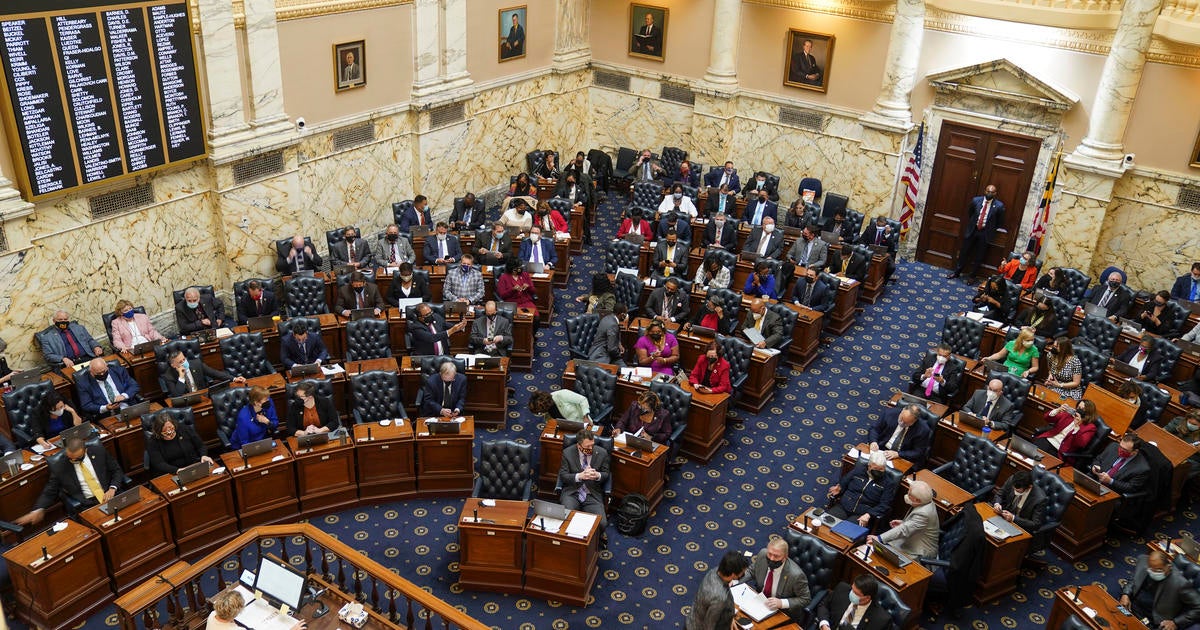
A pair of Massachusetts State House bills are once again taking aim at how restaurant workers are paid, adding a proposal for minimum gratuity into the mix. This comes after Question 5, which called for a gradual increase in the minimum wage for tipped workers, was voted down.
"I understand the concept, and I think it's a great one, but it doesn't apply to the service industry," said Lisa Keuchkarian-Mckeen, a former server herself and now the co-owner of The Diner at 11 North Beacon in Watertown. "I think when people try to make it an even playing board you can't always do that. That's not how our industry survives. We can't make it so everyone makes the same. We have people going above and beyond, so they deserve to be tipped accordingly."
Bill would raise tip wage to $12
There is now a bill that would raise the overall minimum wage to $20, but it includes legislation that would raise tip wage from $6.25 to $12. Both servers and owners fear that may lead to people tipping less overall.
"At that point, you're taking that gratuity part that a server strives for and putting that onto an owner of a small business. A chain may not be affected, but a small business like mine, it would greatly affect," said Keuchkarian-Mckeen.
"If people heard that, they would think that was a livable wage, and maybe tip less," said Logan Dibble, a bartender in Watertown. "But I don't think that would happen. If anyone is hearing $12 an hour, I don't think they are going to think anyone can live off of that."
If the wage did increase, it may increase prices at local restaurants. Some customers have already seen prices go up due to rising food costs.
"It has been since COVID," Keuchkarian-Mckeen said, referencing restaurant owners' tight margins. "It's supply and demand - people coming in, changes in town, what's happening on the street in front of your business."
19% minimum gratuity
Another House bill proposed by State Representative Manny Cruz would create a 19% minimum gratuity on all parties with more than four people if they are dining during "peak restaurant season." Per the bill, peak restaurant season would be voted on by a city's councilmembers or in a town by their select board.
"Sometimes in Salem, during our peak season of October, they find themselves losing potential wages from folks that will come in, they will dine and they won't leave any tip at all, that our folks really do rely on to get through and pay their bills," said Representative Cruz.
"That could also create confusion and what is peak season for one area is going to be different for the next," said Jen Ziskin, Executive Director of Mass Restaurants United. "It needs more clarity. The Attorney General just released guidance on junk fees, and it would create confusion for guests."
Keuchkarian-Mckeen said the majority of her customers already tip more than 20%, while Dibble says 70% to 80% of his customers tip 20% or more.
"If the service was exceptional, we might go a little higher," said Larry Cannon, a regular at The Diner at 11 North Beacon. "It's 20% like I said, unless service is really, really bad. We were up in New Hampshire a month or so ago and had terrible service and left nothing."
While someone would be able to tip beyond the 19%, the question from owners and servers is, will customers actually do so?
"I think more than often they wouldn't. Knowing that they are getting a salary that compensates the tip, they're going to choose to do less," said Keuchkarian-Mckeen.
"I think it will affect servers more than bartenders, but it will definitely affect in my opinion, people's tipping," said Dibble. "They won't tip extra on top of the gratuity if they have that option."