Maryland Senate, House leaders reach agreement on measure to reduce energy costs
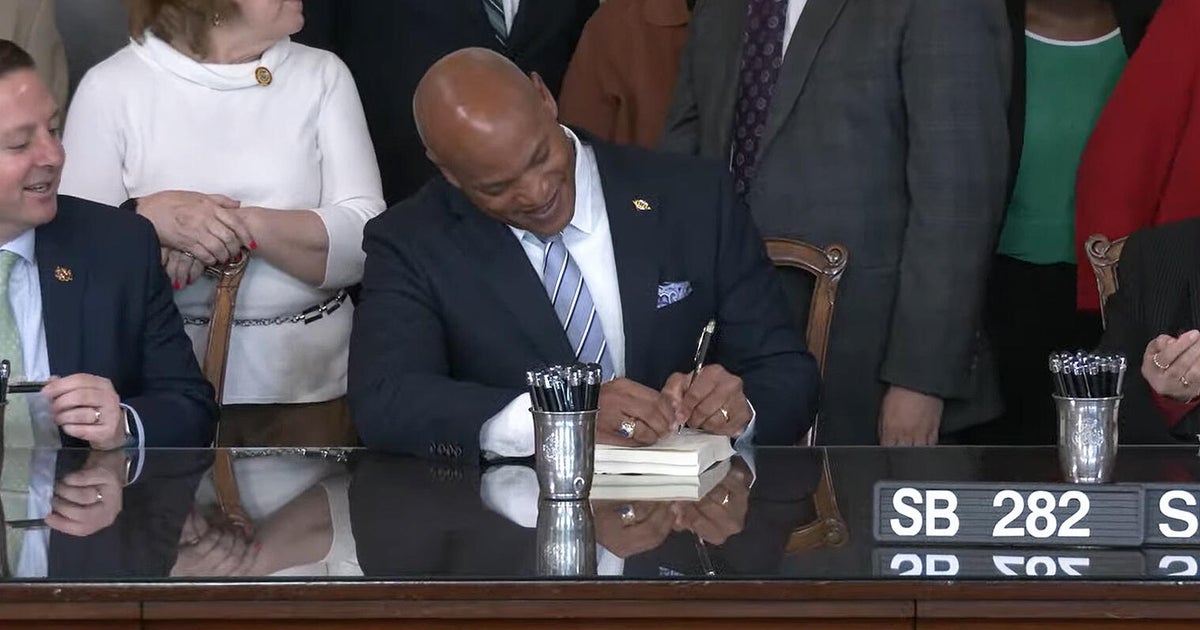
Maryland Senate President Bill Ferguson and State House Speaker Joseline Peña-Melnyk said Wednesday that they reached an agreement to advance the Utility RELIEF Act, which aims to reduce energy costs.
The package of bills, introduced in March, came amid concerns from state leaders and residents about increasing electric and gas bills.
Maryland Legislative Session
During its introduction, Peña-Melnyk called the Reducing Energy Load Inflation for Everyday Families (RELIEF) Act a product of deliberation and difficult compromise. The measure contained elements from earlier legislation proposed by the governor, along with priorities from both the House and Senate.
"Over the past several weeks, the House and Senate have worked collaboratively to advance the Utility RELIEF Act as a balanced, statewide approach to deliver meaningful savings, strengthen our energy grid, and protect ratepayers," Ferguson and Peña-Melnyk said in a joint statement.
The agreement comes less than a week before the end of the 2026 legislative session, which adjourns on Monday, April 13.
On Wednesday, leaders said the House and Senate are working together to finalize the language in the measure.
"We are confident that this agreement will deliver real, immediate relief while making long-term investments in Maryland's energy future," Ferguson and Peña-Melnyk said.
Utility RELIEF Act
When it was first introduced in March, state leaders said the RELIEF Act would save Marylanders $150 on their energy bills each year and hold utility companies accountable.
Lawmakers said the act would allocate $200 billion for the Strategic Energy Investment Fund to be used for clean energy generation projects and to modernize the state's electric grid. $100 million would be allocated to refund ratepayers, and another $100 million would be used to support clean energy projects.
The initial measure also helped to fund the Public Service Commission's limited-income program, which would save eligible ratepayers $1,400 per year.
The package of bills would support Maryland's transmission infrastructure by requiring utility companies to use technology that enhances the electrical grid, increasing capacity and efficiency.
Under the measure, some federally-approved projects would face more oversight. Some incentives for utility companies would be reduced or eliminated, saving Marylanders about $20 million each year.