NASA video captures eruptions on surface of the sun
New video from NASA shows how coronal mass ejections move from the sun into the solar system.
Watch CBS News
New video from NASA shows how coronal mass ejections move from the sun into the solar system.

A group of Maryland lawmakers is urging the Trump administration not to cut federal funding to the National Aeronautics and Space Administration (NASA) Goddard Space Flight Center.
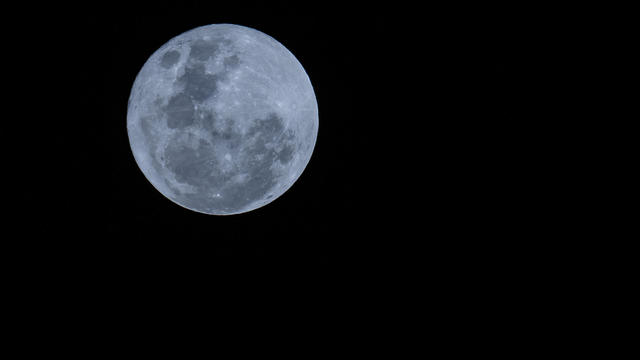
August's full moon, a rare blue moon and supermoon, is lighting up the night sky this week. Here's what time it peaks and where you should look.
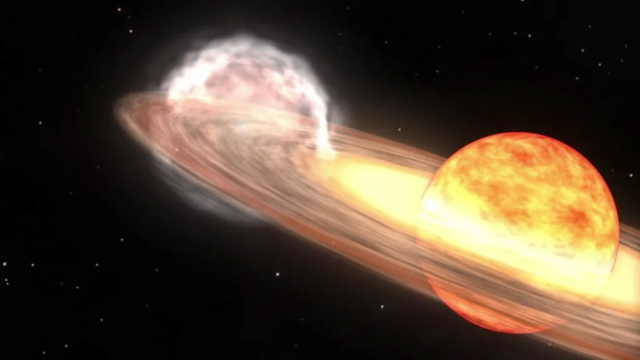
A dramatic cosmic explosion is expected this summer. NASA says the event will be visible to even the naked eye.
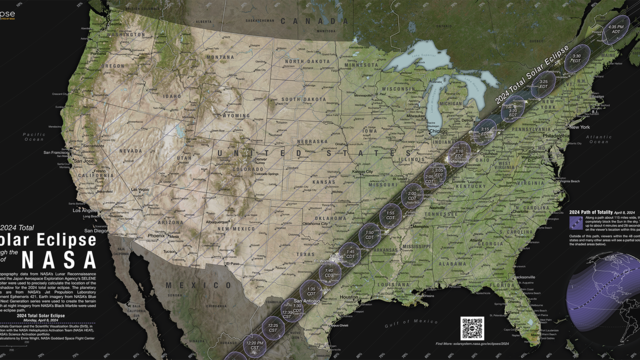
Astronomy fans figuring out where and what time to see the April 8, 2024, total solar eclipse could check out maps showing the path of totality.
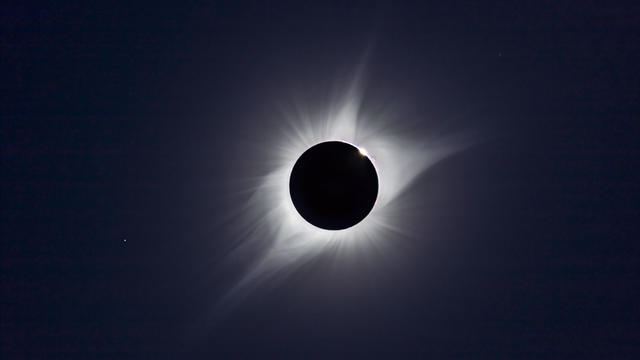
The total solar eclipse on April 8, 2024, will be the last one to be visible from the contiguous U.S. until 2044.
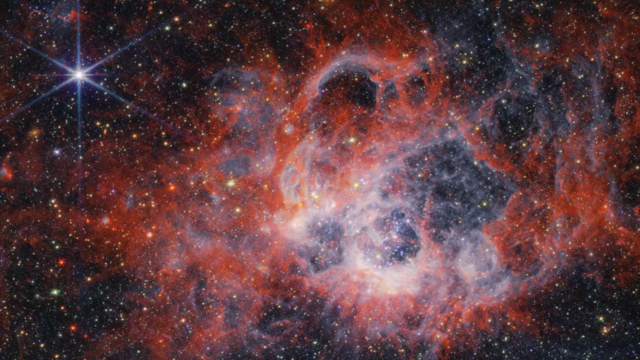
Two new images from the James Webb Space Telescope offer an unprecedented view of a stellar nursery in the Triangulum galaxy, about 2.73 million light-years away.
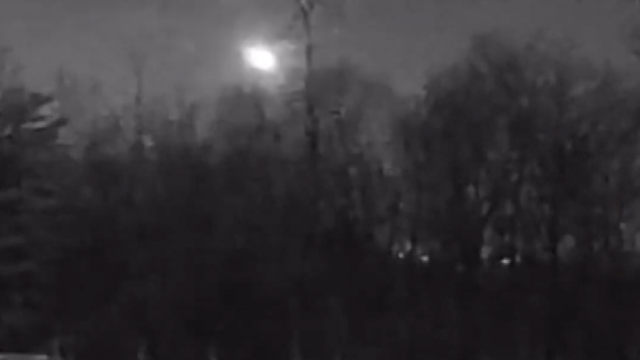
People across the eastern U.S. and in parts of Canada saw a dazzling light show on Wednesday night, as a fireball entered the atmosphere and burned up.

Images shared by NASA show the U.S. East Coast is actually sinking — including the land that holds major cities like New York and Baltimore.

These galaxies floating amid the cosmic ocean are the least frequently identified.

The Perseverance rover was near Mars' Jezero Crater when it spotted the towering dust devil.
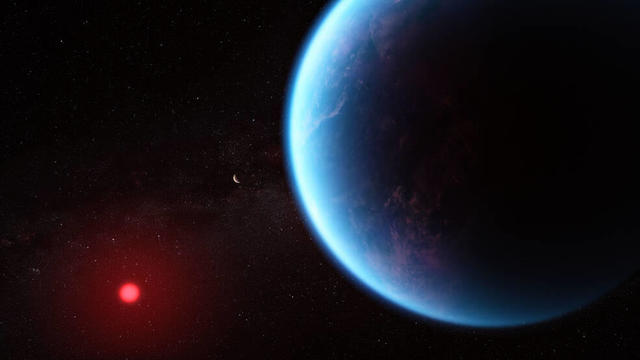
The exoplanet, called K2-18 b, could be a Hycean planet – meaning it has a hydrogen-rich atmosphere and an ocean.
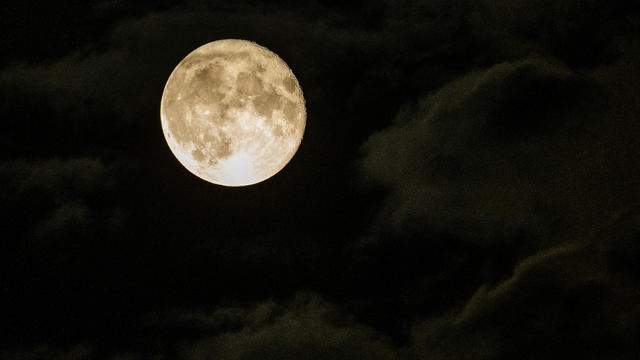
On Aug. 30, you will be able to see the month's second full moon, also known as a blue moon. It will appear bigger and brighter than usual, making it a supermoon, too.
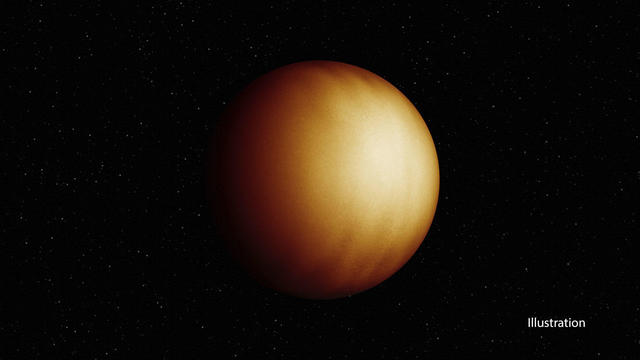
Scientists first made a brightness map of the exoplanet, then a temperature map of the atmosphere.
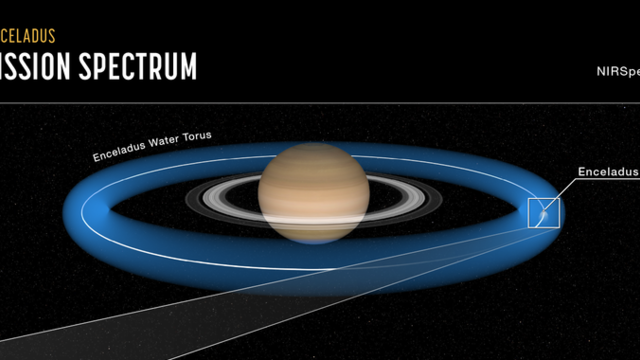
Scientists say the plume may feed Saturn's water system at large, and studying it could provide key insights into potential life beyond Earth.
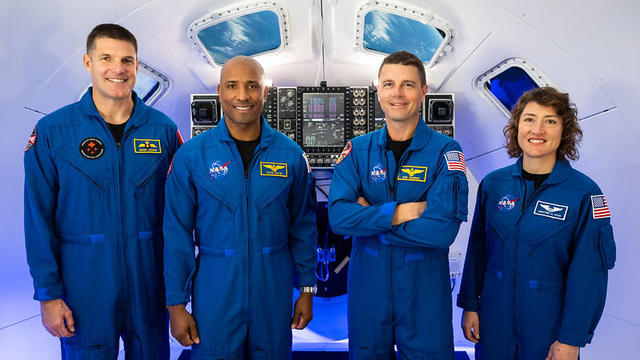
The Artemis II mission is intended to pave the way toward the next moon landing and eventually fly to Mars.
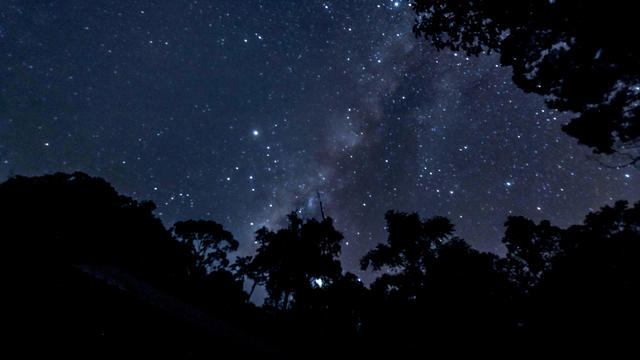
Jupiter, Mercury, Venus, Uranus and Mars will align on Tuesday night.
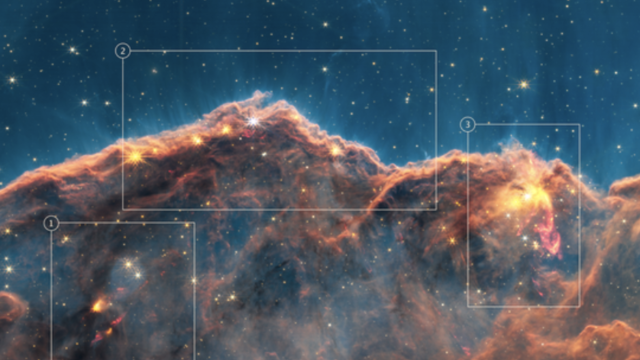
NASA was able to capture a "gallery of objects ranging from small fountains to burbling behemoths" deep in space: "It's like finding buried treasure."
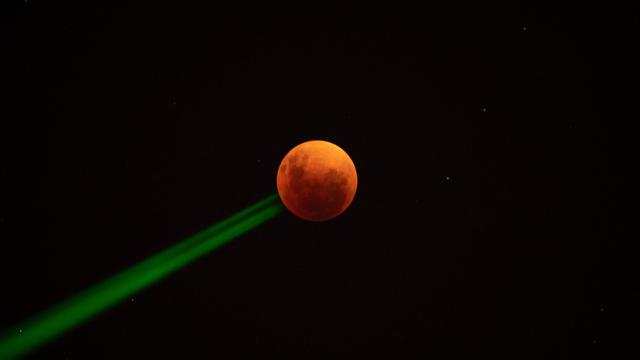
NASA said the eclipse will provide a little "celestial magic" during the so-called Beaver Moon.
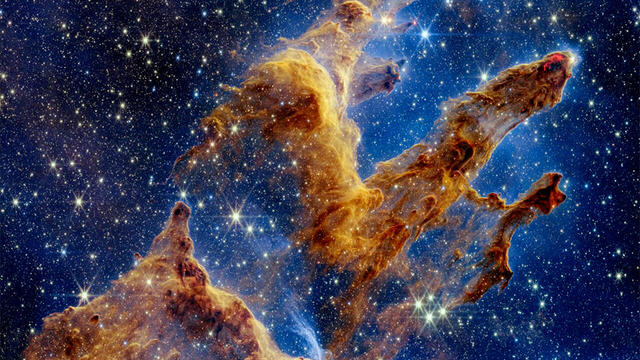
The $10 billion James Webb Space Telescope takes one of Hubble's most famous images to new heights.
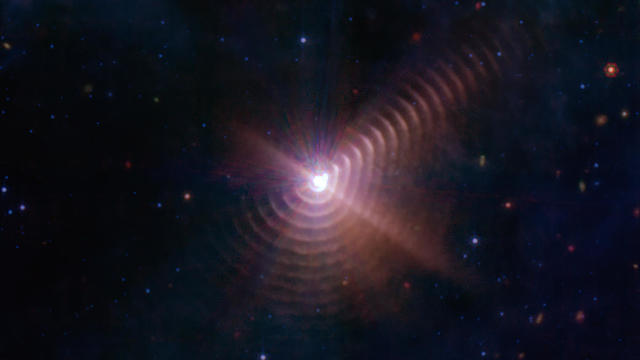
The two intertwined stars, located 5,000 light years from Earth, create what looks like a "fingerprint" in space.

Scientist Carolyn Ernst had a front-row seat to history inside the mission's operation center at the Johns Hopkins Applied Physics lab in Laurel, Maryland.

NASA scientists are gearing up for the world's first mission testing planetary defense — and they want you to watch.
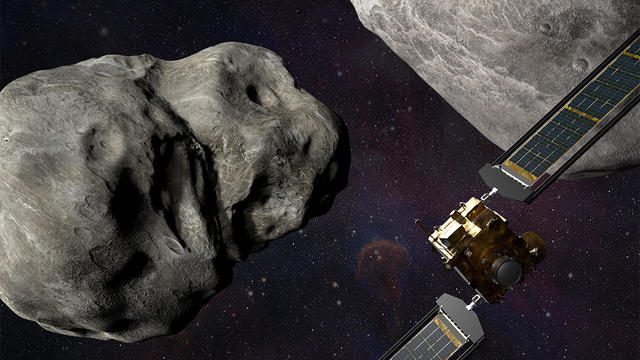
The DART spacecraft is set to purposely crash into an asteroid — a test for a potential real threat far in the future.
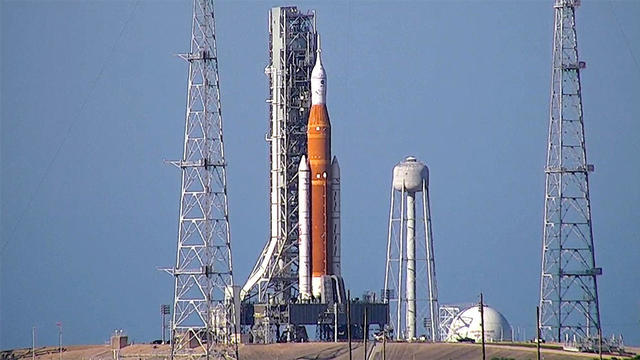
NASA managers will conduct a final review Thursday before giving engineers clearance to proceed with launch.