2-Mile Dead Zone Confirmed In Chesapeake Bay
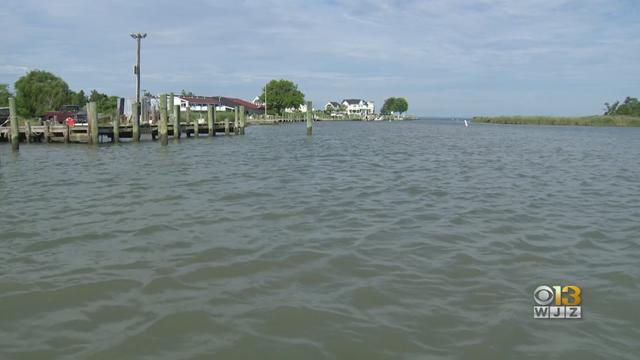
The warm weather this summer, along with a lot of rain, is bad news for the Chesapeake Bay.
Watch CBS News
The warm weather this summer, along with a lot of rain, is bad news for the Chesapeake Bay.
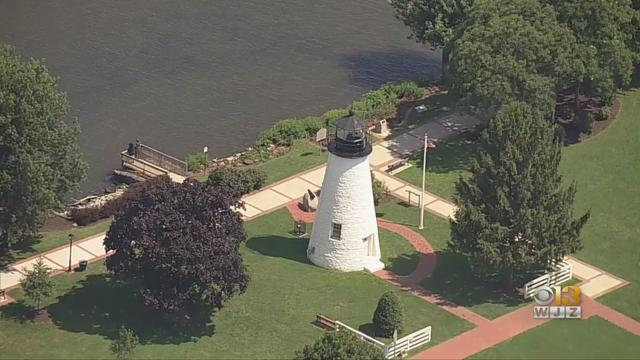
Visit Maryland said there are currently 26 lighthouses visitors can see throughout the state.
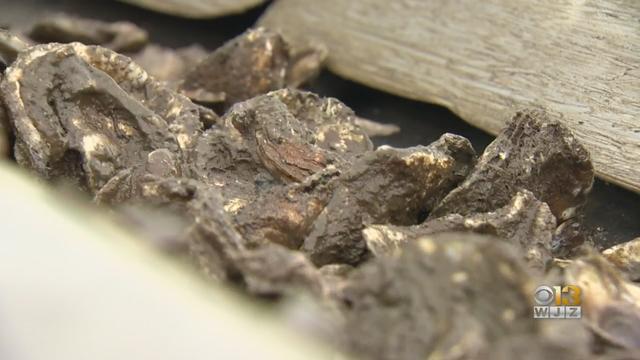
They planted 3.4 million spat, or baby oysters, were planted on Wednesday alone- they originally had planned to seed around one million at the Campbell Reef.

Maryland environmental officials say underwater grasses in the nation's largest estuary were mostly resilient to last year's record rain and increased runoff pollutants.
While this acreage is less than the previous year, it is likely that substantially more submerged aquatic vegetation (SAV) grew in the Bay than the mapped acreage suggests.
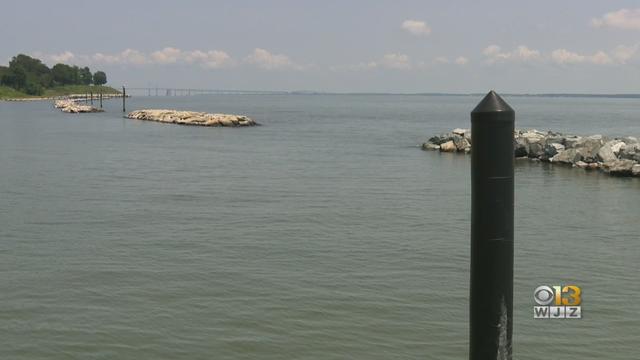
Dan Sheer, founder of Hydrologics drives his boat up Rock Creek where aerators have been used since 1988. It's a solution he thinks could help get rid of the dead zones in the Chesapeake Bay.
The report predicts this summer's dead zones in the bay is expected to be about 2.1 cubic miles.
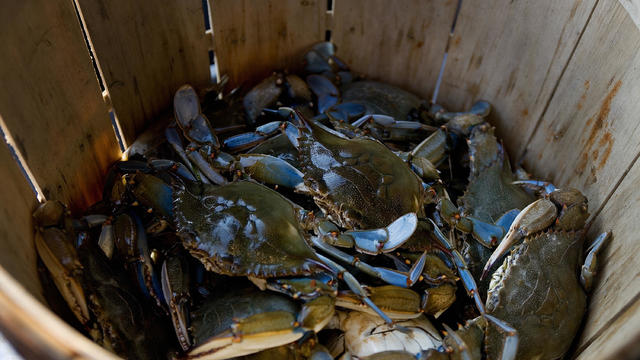
It increased from 372 million in 2018 to 594 million in 2019.
Some ecologists at the University of Maryland are worried that a large spot of low oxygen in the Chesapeake Bay could harm the state's seafood industry.

County executive Calvin Ball says the $1.8 million will be dispersed over years through the state's Clean Water Commerce Act grant.
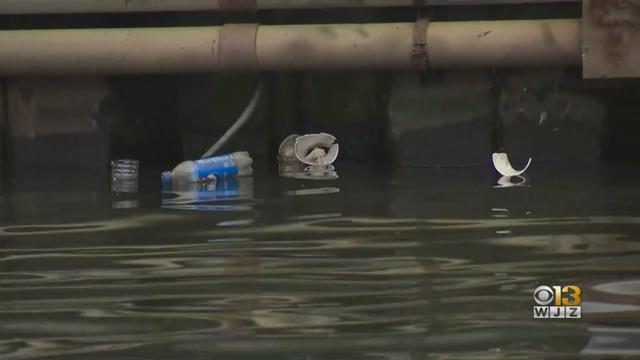
A couple of steps can go a long way when it comes to improving the health of the Chesapeake Bay.
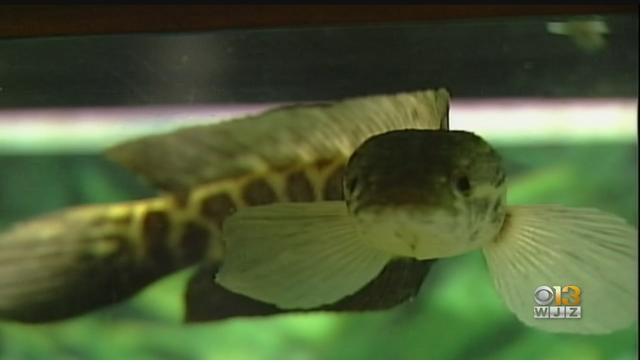
For the first time in years, biologists are seeing a lot more northern snakeheads in Maryland's waterways.
Experts from the University of Maryland Center For Environmental Science predict a dead zone could form in the Chesapeake Bay this summer, potentially harming marine life.
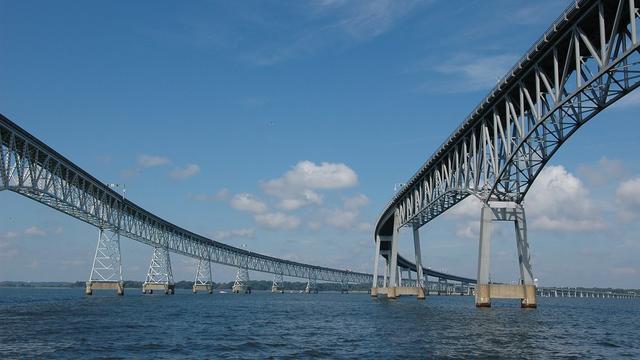
A nonprofit that tracks pollution in the Chesapeake Bay is once again lambasting Pennsylvania for not doing enough to protect the nation's largest estuary.
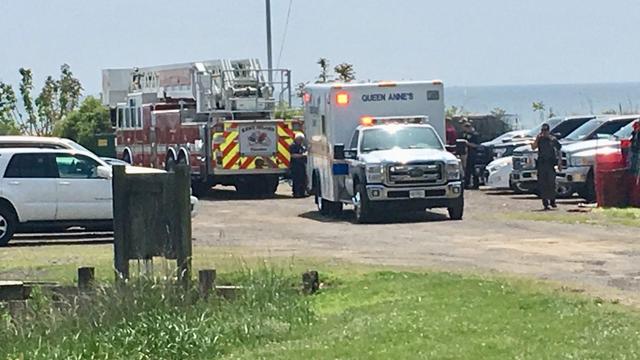
Authorities say the helicopter involved in a deadly crash earlier this month did not have certification to fly in poor visibility conditions.
Scientists say the health of America's largest estuary declined last year due to the effects of record-breaking precipitation.
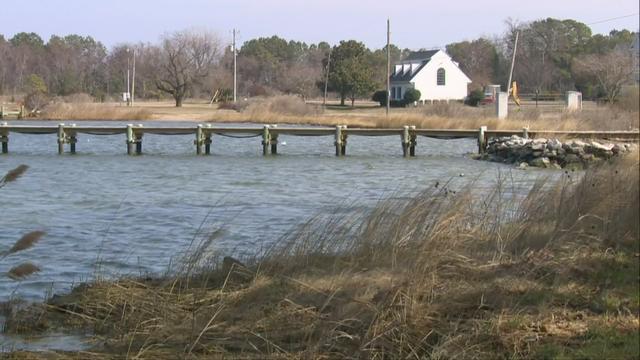
The chief executive of Anne Arundel County, Maryland, announced two new policies aimed at protecting the Chesapeake Bay.
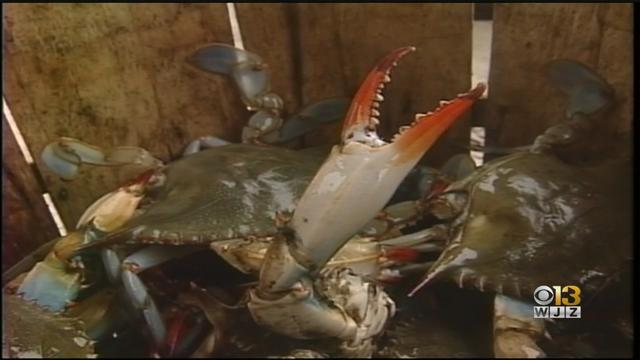
An estimated total of 594 million blue crabs, a 60 percent increase over last year. This includes 190 million females, a 29 percent jump, as well as 324 million juveniles.

The Chesapeake Bay's blue crab population increased by 60 percent in one year, a survey said, making the total population of blue crabs at 594 million.
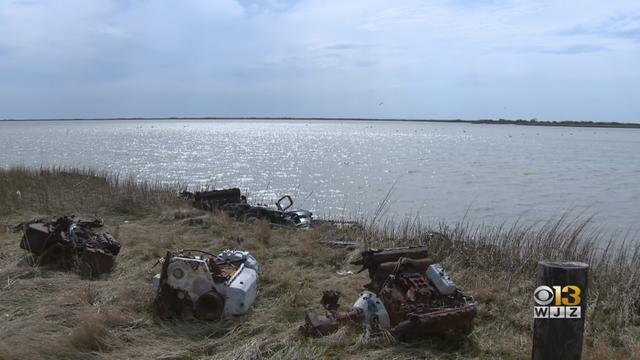
Water is at the center of life on this island. Three tiny villages make up one small community living off the bounty of the water that surrounds them.
A longtime advocate of the bay, Sen. Ben Cardin joined other state leaders for Earth Day in Annapolis- introducing legislation to reauthorize the Chesapeake Bay Gateway Program, while spotlighting clean water and healthy wildlife.
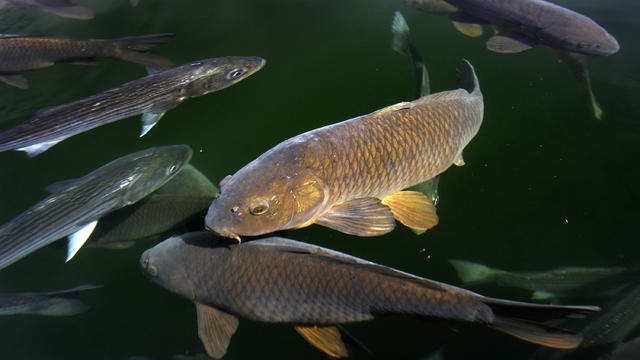
Maryland's striped bass trophy season opens on April 20 and will last until May 15.

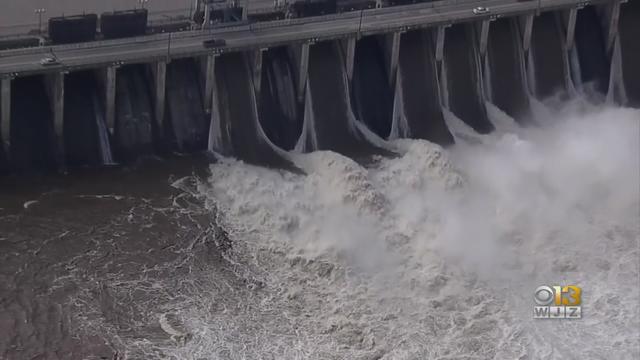
Before the Susquehanna River enters the Chesapeake Bay, the Conowingo Dam churns electric power from it. It's the kind of energy that falls under federal regulations.

The governors of four states and the mayor of the District of Columbia are asking Congressional leaders to boost funding for Chesapeake Bay cleanup.
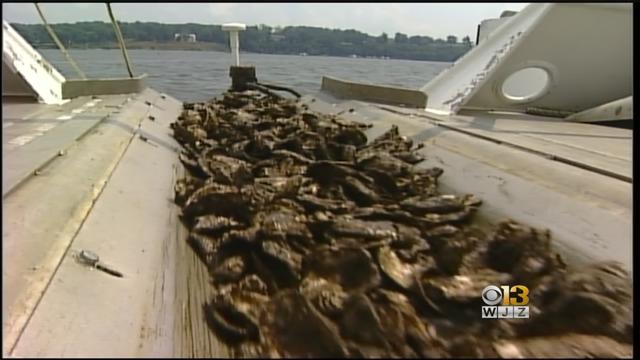
The bill prohibits catching oysters in the five sanctuaries. They are Harris Creek, the Little Choptank River, the Tred Avon River, the St. Mary's River and the Manokin River.