Voluntary water restrictions in place in Baltimore region due to ongoing drought
Voluntary water restrictions have been put in place for parts of the Baltimore region ahead of the summer due to ongoing drought conditions and low reservoir levels, according to the city's Department of Public Works (DPW).
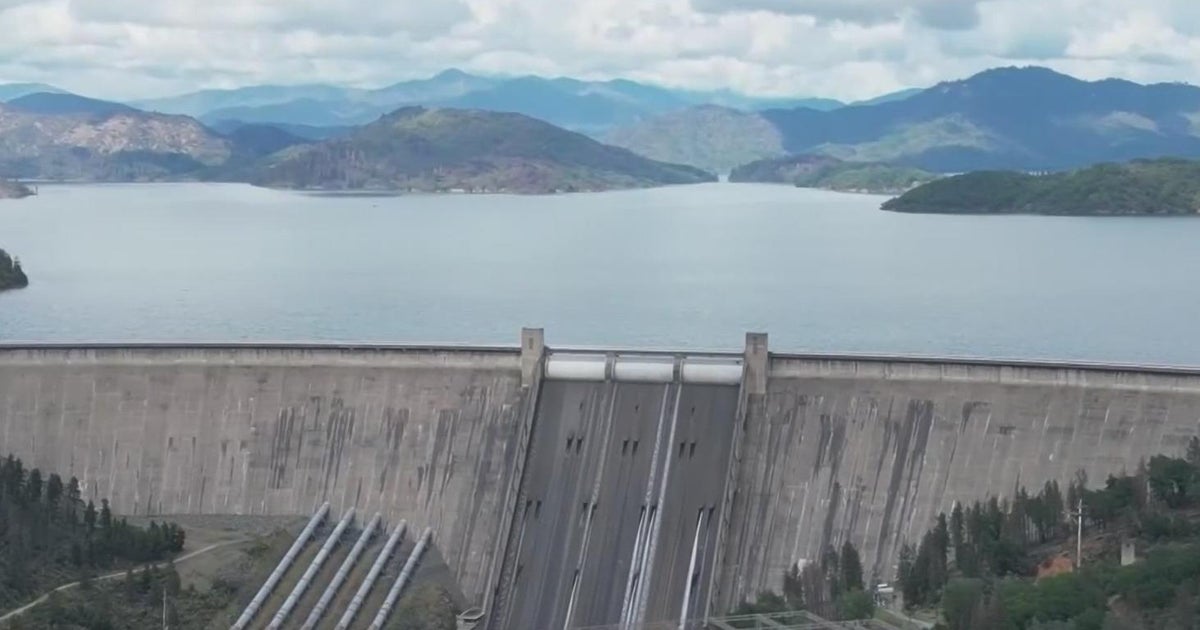
Officials said water levels are low in three of the city's reservoirs, which supply drinking water for nearly 1.8 million people in the region, including Baltimore, Carroll, Harford and Howard counties.
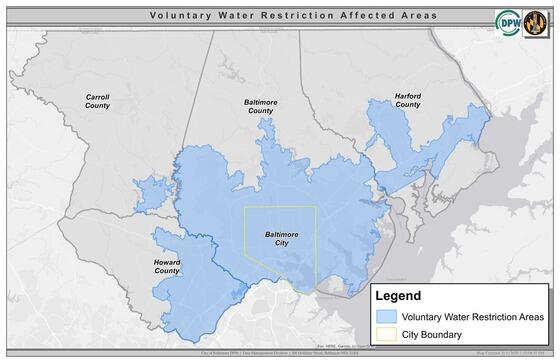
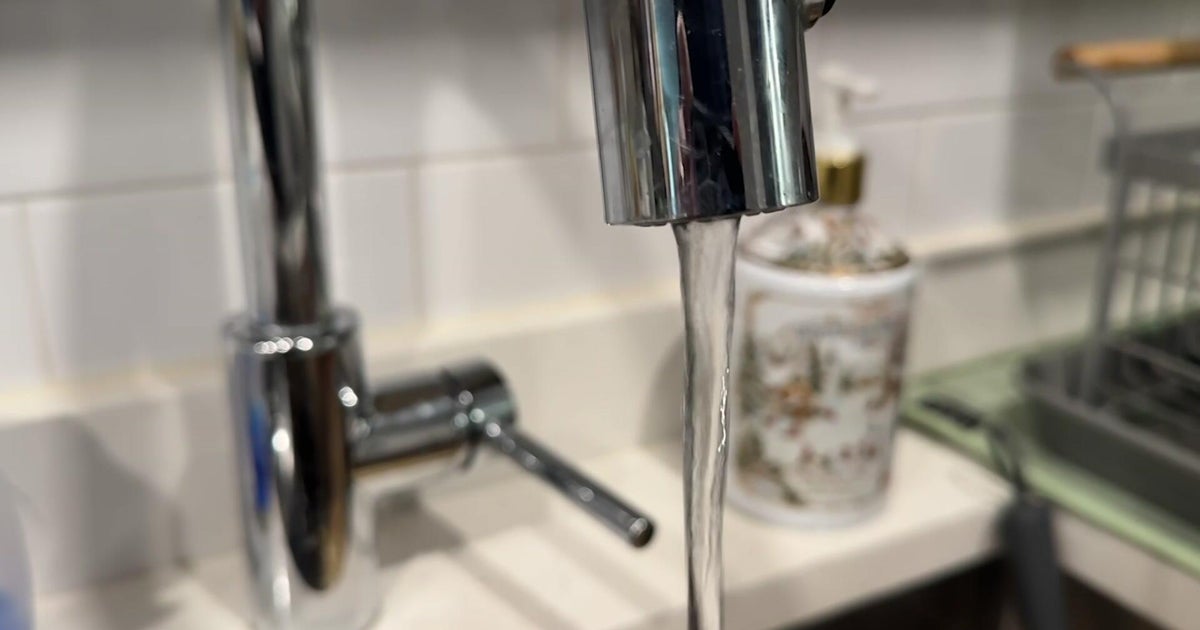
Residents who use public water are urged to limit any non-essential water use.
Drought conditions in Maryland
The restrictions come as most of Maryland, 95%, faces severe drought conditions, according to the U.S. Drought Monitor.
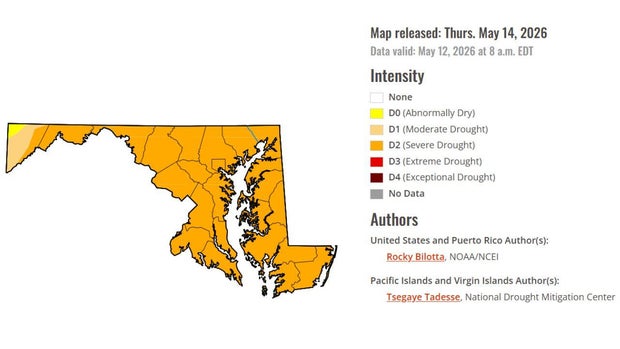
According to DPW, drought conditions have been exacerbated by low rainfall levels, which have been significantly below seasonal averages.
DPW is reporting low water levels at Liberty and Prettyboy reservoirs. Prettyboy Reservoir is six feet below normal levels, and Liberty Reservoir is two feet below normal levels, officials said.
In May 2025, Liberty Reservoir hit a 20-year low, prompting similar restrictions for residents as the state faced drought conditions.
Voluntary water restrictions
The voluntary water restrictions apply to all residents and business owners who use the public water service. Residents with private wells are not impacted, but can ask their local officials for guidance.
The move aims to preserve the region's water supply going into the summer when demand increases. The restrictions should reduce the demand on the system to help avoid the use of mandatory water restrictions later, officials said.
"DPW will continue closely monitoring reservoir levels and drought conditions and will evaluate additional measures if conditions worsen," the agency said.
If conditions worsen, DPW plans to use the Susquehanna River as a backup supply, a move only used during droughts. The water is treated and safe to drink, though there is a slight difference in the taste and smell, according to officials.
Reducing water use
Residents and business owners can take the following steps to reduce their water use:
- Repair or replace any leaking faucets or hoses
- Postpone watering gardens or lawns
- Turn off the water when brushing teeth or shaving and minimize time in the shower
- Only run full loads in dishwashers and washing machines
- Use an automatic car wash business that recycles water
Restrictions do not apply to water used for cooking, drinking, or hygiene purposes.
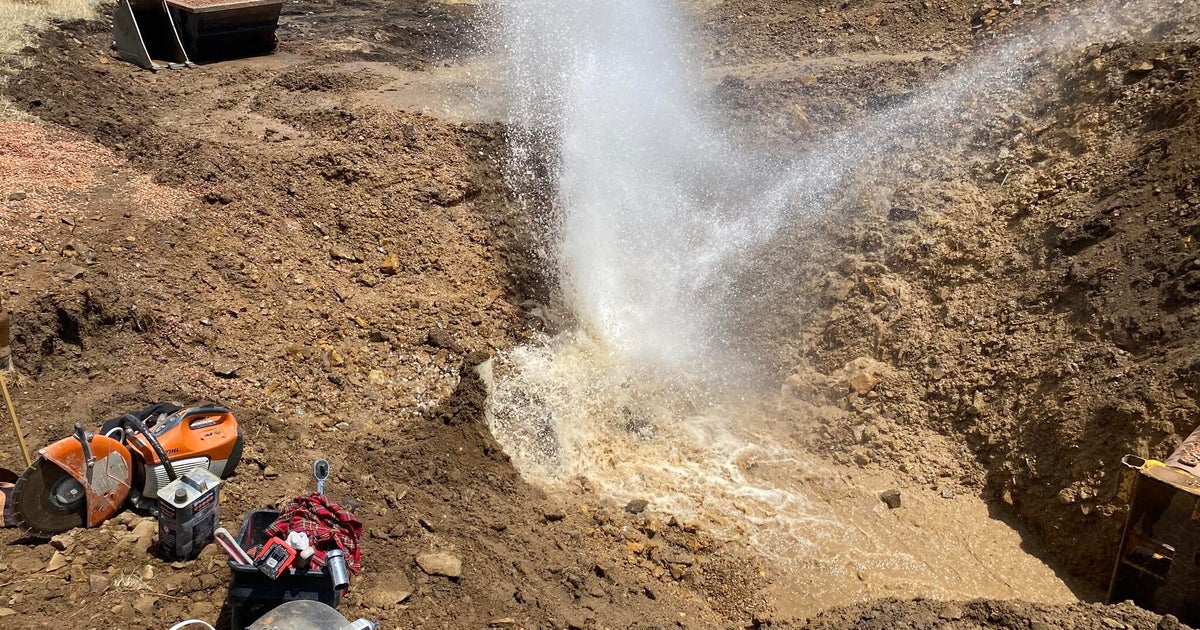
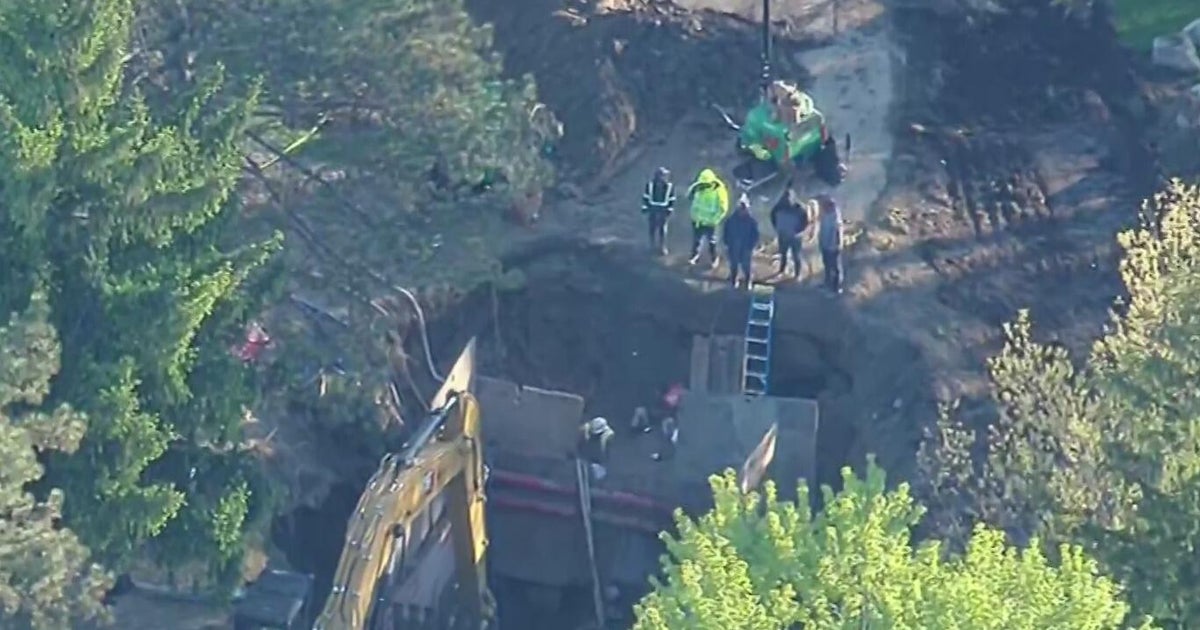
DPW is also taking action to conserve water by repairing water main breaks and system leaks and turning off public fountains.