Naloxone boxes to be placed in Baltimore metro stations in response to mass overdoses
Naloxone boxes will be placed in Baltimore metro stations following multiple recent mass overdoses, Baltimore leaders announced Monday.
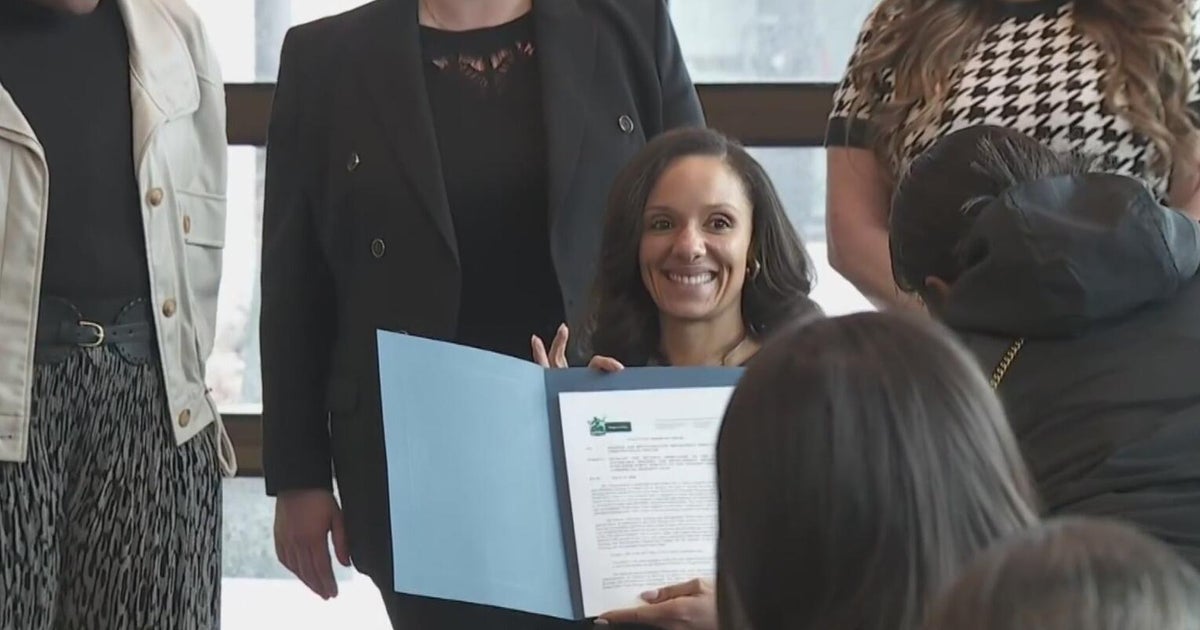
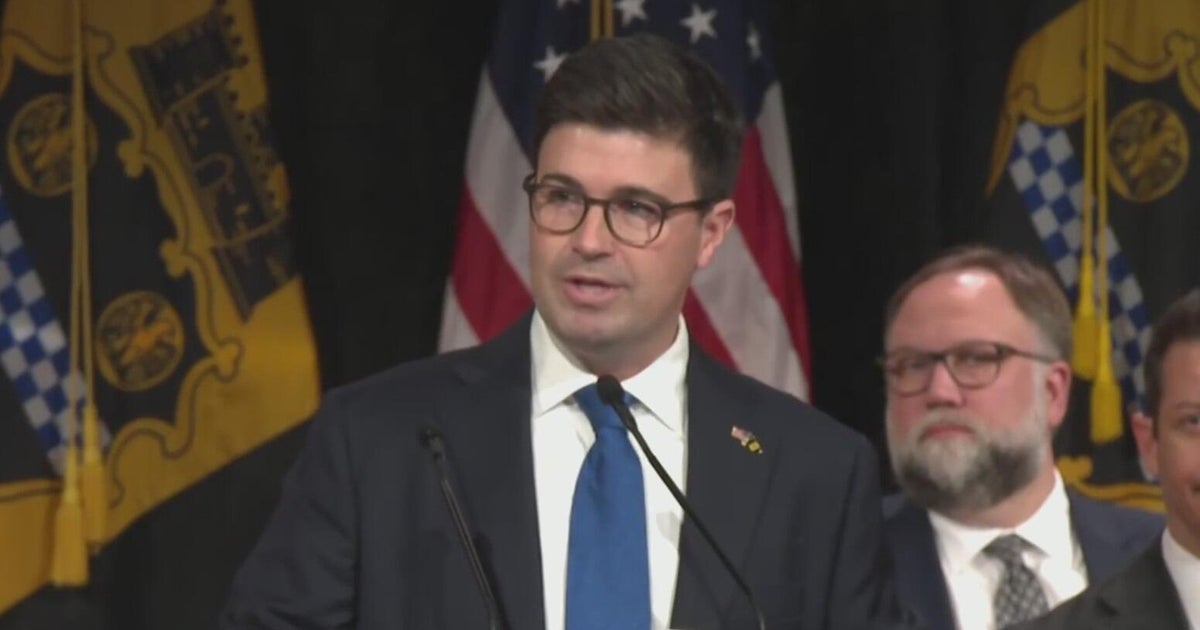
Mayor Brandon Scott and other community advocates met Monday morning to place a set of boxes at the Penn North Metro Station, in the neighborhood where there were three mass overdoses within four months.
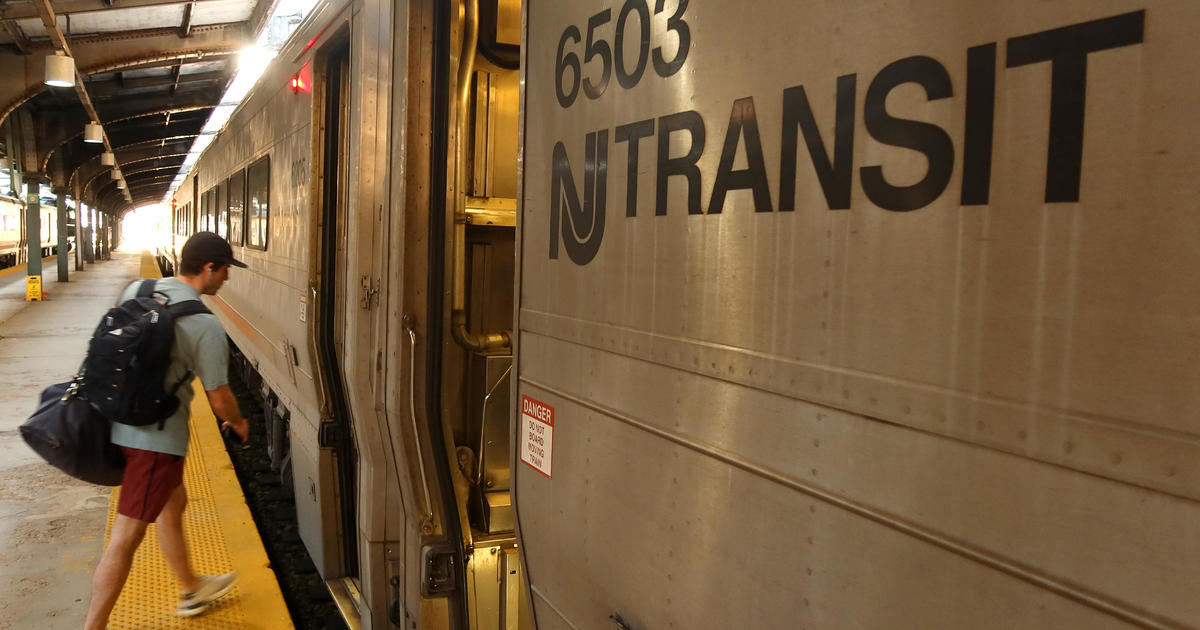
The city is partnering with the Maryland Peer Advisory Council (MPAC) and the Maryland Transit Administration (MTA) for the overdose prevention initiative.
"The recent mass overdose events in Penn North have underscored the importance of making sure that every resident has access to Naloxone and other life-saving resources to prevent overdoses, no matter their circumstances," Mayor Scott said Monday.
What is naloxone?
According to the Centers for Disease Control and Prevention (CDC), naloxone is a medicine that can reverse an opioid overdose and, in turn, save lives.
The CDC said naloxone can reverse the effects of opioids, including heroin, morphine, oxycodone, methadone, fentanyl, hydrocodone, codeine, and hydromorphone
Naloxone boxes added to metro stations
According to city officials, the Naloxone boxes will have a screen that will play a short instructional video in English and Spanish, showing how to use the medication.
"That means that any resident who does not know how to use the Naloxone can learn how to use it when they stop to pick some up," said Sara Whaley, Executive Director of Overdose Response in Baltimore.
The box will also include personal protective equipment for users. They will be maintained by members of MPAC.
City officials said the boxes would be added to metro stations by the end of the week. The initiative is being funded through the city's Opioid Restitution Fund.
How do you use naloxone?
Naloxone can restore normal breathing within two to three minutes in a person whose breathing has slowed or even stopped, as a result of an opioid overdose, according to the CDC.
Naloxone can be administered by nasal spray or injection.
The CDC recommends starting with one dose of naloxone and waiting two to three minutes to see if breathing returns to normal before giving a second dose.
Mass overdoses in Baltimore
Baltimore emergency responders were called to three mass overdose incidents within four months in the Penn North neighborhood.
On October 8, 11 people reportedly overdosed, and seven of them were treated at the hospital. Naloxone was administered to multiple people. Last week, the Baltimore Banner reported that medetomidine, a powerful veterinary sedative, was found in two drug samples that were collected.
More than 30 people were hospitalized after two mass overdoses were reported in the West Baltimore neighborhood back in July.
The first incident on July 10 sent 27 people to the hospital.
Nearly one week later, five more people overdosed in the same community, police said.
According to officers, there was no evidence to suggest the two incidents were related.
Overdose deaths in Baltimore
Overdose deaths declined by 25% between 2023 and 2024, according to data from the Baltimore City Health Department.
Baltimore reported 778 overdose deaths in 2024, compared to 1,043 overdose deaths in 2023.
Through September this year, there have been 362 overdose deaths reported in Baltimore, according to data from the Maryland Health Department.
Baltimore's new health commissioner, Dr. Michelle Taylor, shared her plan to cut the number of overdose deaths by 2040.