Maryland wineries could face $2.4 million loss after grape crops wiped out by April freeze
Maryland wineries could face $2.4 million in losses after some grapes and other crops were destroyed by an April freeze, according to the Maryland Wineries Association (MWA).
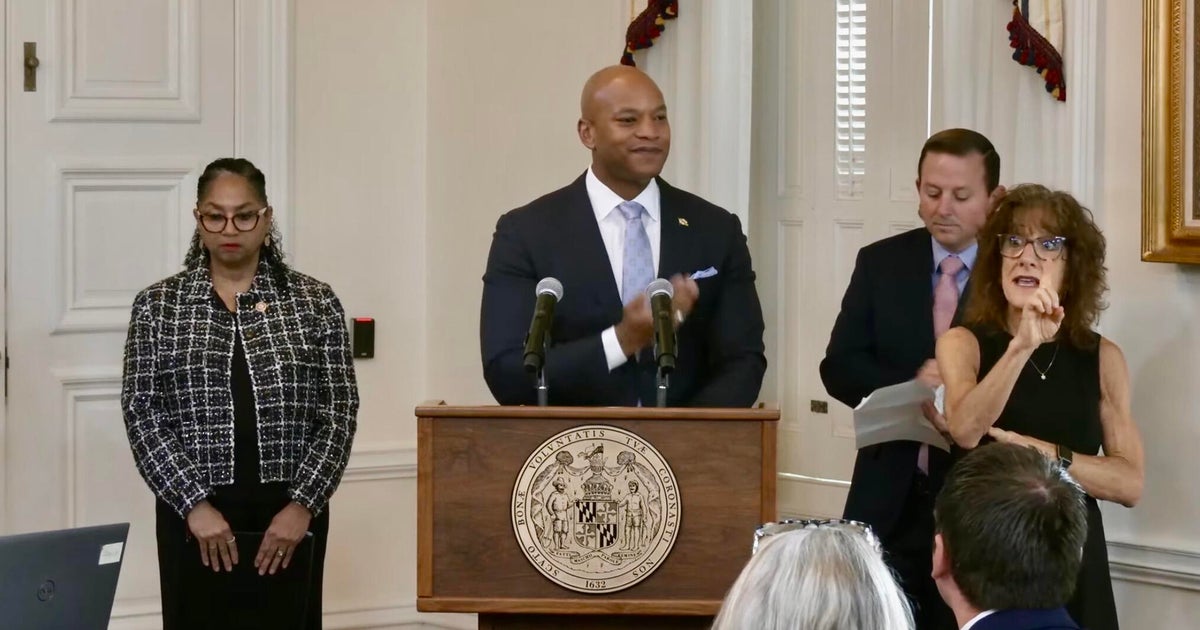
Maryland Gov. Wes Moore issued a formal request for a Secretarial Disaster Designation on Wednesday for counties impacted by the cold snap on April 21.
The freeze caused "catastrophic damage" to specialty crops, like perennial fruit trees and viticulture (or grapevines), the governor said.
The Maryland Farm Bureau (MDFB) called for federal assistance in mid-May after preliminarily reporting that 90 farmers suffered losses across their crops. In some counties, losses of 90% or more were reported by farmers.
Governor requests federal assistance
If the U.S. Department of Agriculture (USDA) agrees to the governor's request for a Secretarial Disaster Declaration, it would allow for the use of federal funds and emergency loans.
The request includes findings from an assessment conducted by the Maryland Farm Service Agency (FSA). The preliminary report found losses to 94% of apple crops, 99% of peach crops, and 98% of barley crops in some jurisdictions.
The MWA found that 36% of grape acreage suffered total losses. The organization estimated there would be a $2.4 million deficit in projected wine sales for the 2026 vintage, according to the governor's letter.
Addressing crop losses
According to the governor, growers will have to absorb the costs of maintaining their crops despite the loss of annual revenue. The cost of maintaining vines and trees is estimated to be $4.2 million for Maryland's grape crops.
"Maryland's farmers are resilient, but the scale of this climate event exceeds local and state recovery capacities," the governor said.
According to the governor, the state's losses surpass the 30% threshold for a Secretarial Disaster Declaration
"Swift action is essential to provide the stability Maryland's farmers need to recover from this catastrophe and prepare for the next growing season," Gov. Moore said.