Baltimore communities push back on Johns Hopkins' construction of DSAI project
Two communities in Baltimore are pushing back on a new Johns Hopkins University project.
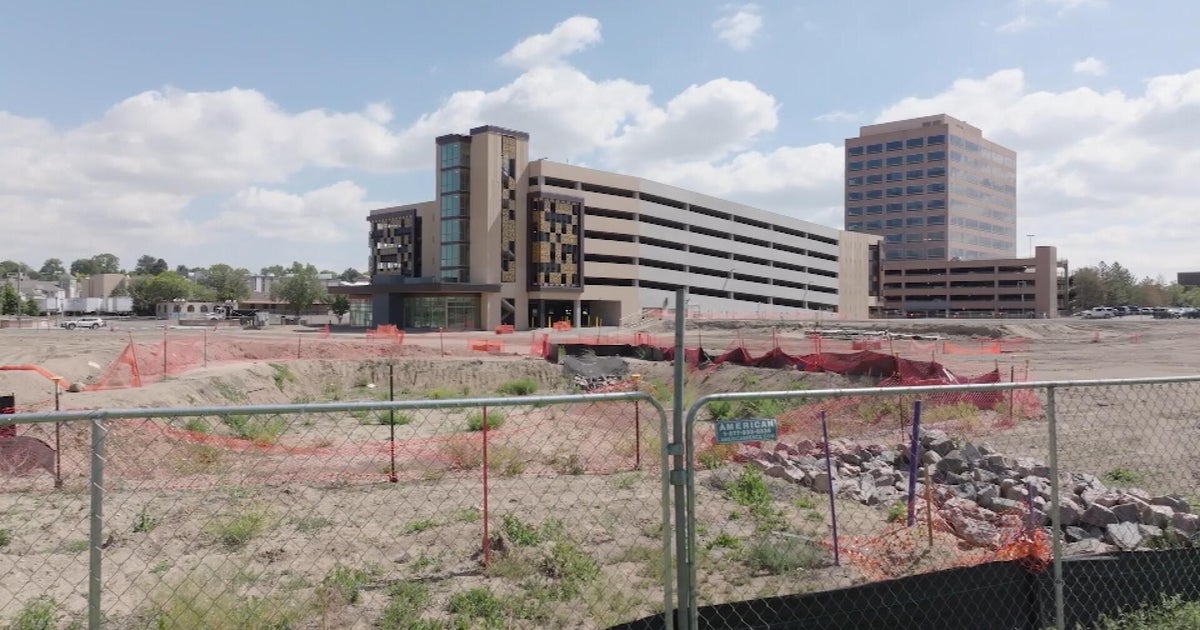
Residents in the Wyman Park and Remington neighborhoods say Johns Hopkins is requesting a waiver that would weaken stormwater protections while the university builds its new Data Science and Artificial Intelligence Institute (DSAI).
The community members claim this project puts millions in taxpayer-funded restoration and the watershed at risk.
"Stormwater runoff is a much bigger problem than people realize it is," said Hillary Gonzalez, the creator of BMoreAgainstDSAI. "It's not good for our watersheds, and everything that comes from Stony Run eventually goes into the Harbor and the Chesapeake Bay, so this is a much bigger problem.
Gonzalez said Baltimore City has spent upwards of $10 million to restore Stony Run, so Johns Hopkins should not be allowed to jeopardize all that work.
"For us, I mean, we're constantly experiencing flooding," Gonzalez said. "It's also the emotional aspect of this huge complex that is about to be built right in our neighborhood, and it's jeopardizing the park."
Neighbors have also complained about chemical contamination during construction.
In a post to an Instagram video shared on the account "bmoreagainstdsai," which has thousands of views, a stream of storm runoff from a different construction site — the Agora Building — next to the DSAI location could be seen flowing downhill and into Stony Run, according to our media partner The Baltimore Banner.
Hopkins then put up a fence around the construction site to better control the runoff, which university officials said was made after a city inspection, according to the Banner.
Baltimore City is accepting public comment before 4:30 p.m. on Friday, Oct. 10. You can send an email to dpw.plansreview@baltimorecity.gov.
Johns Hopkins University responds
In response to neighbors' concerns, a Johns Hopkins spokesperson said the university is committed to being a good neighbor, saying in part, "We are installing better, higher-capacity stormwater management infrastructure to handle the increased rainfall produced by storms."
Hopkins also addressed previous flooding concerns by saying, "After this summer's heavy rains affected a nearby construction site, we quickly made upgrades to address excess runoff and prevent future erosion."
The university spokesperson said upgrades include a new stormwater line with 20% more capacity to reduce flooding, a 500,000-gallon cistern to collect rainwater for reuse, and landscaping to stabilize soil and manage runoff.
"The DSAI construction site will use extensive stormwater management measures and be continually monitored to make sure they work correctly," the Hopkins spokesperson said. "We will continue listening closely to feedback from our neighbors and working together to address any concerns as the project moves forward."
What we know about the DSAI plan
Johns Hopkins says DSAI will be a transformational opportunity for Hopkins and Baltimore, and it could turn the city into an East Coast tech hub and make it synonymous with artificial intelligence, according to the Banner.
The Banner reports that DSAI could spark solutions to mankind's most intractable problems in medicine, science, education, and other fields.
The DSAI project includes constructing two buildings on the edge of the Homewood campus, near the intersection of Wyman Park Drive and Remington Avenue.
Hopkins officials believe the project, which will take about four years to construction, will create 11,000 jobs and $1.6 billion in economic impact, according to the Banner.
DSAI could employ 140 new faculty and researchers, attract 750 doctoral students, and could be the largest institute of its kind, the Banner reports.