Colin Gray trial: Prosecutors say father "gave him the detonator" before Apalachee High School shooting
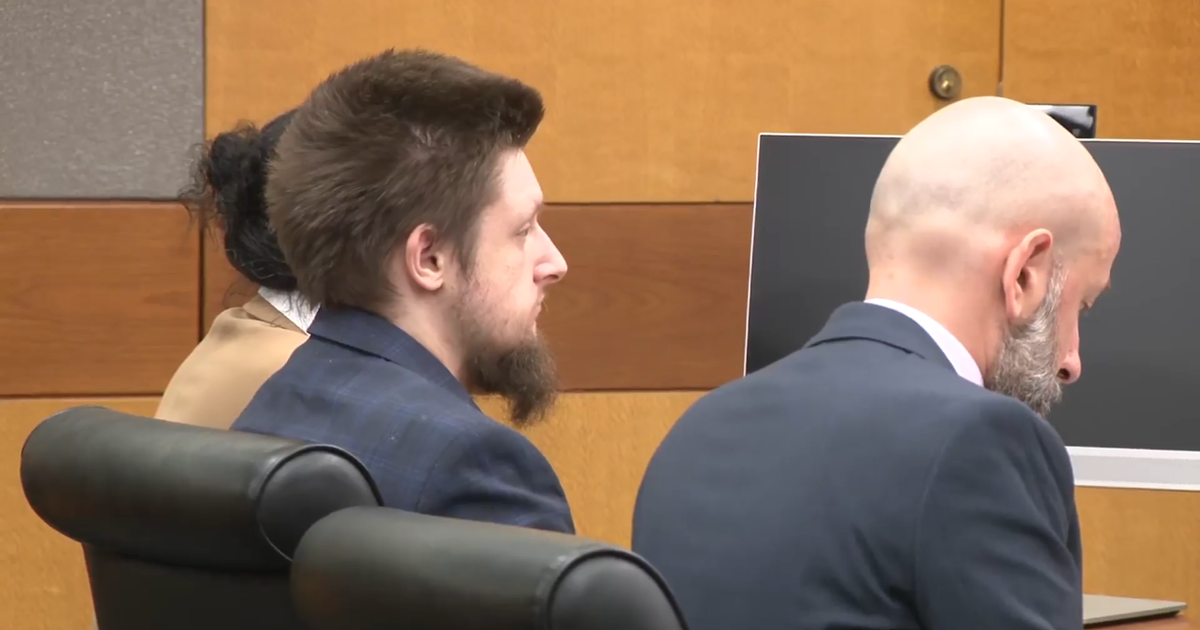
The trial of Colin Gray entered its final phase Monday as jurors heard sharply divided closing arguments over whether the father bears criminal responsibility for the deadly shooting at Apalachee High School on Sept. 4.
Jurors returned to the courtroom shortly before 1 p.m., and closing arguments began at 12:52 p.m., following a morning charging conference.
Prosecution: "Everyone except that man"
In a roughly 26-minute closing argument, prosecutors focused on the 41 seconds they say changed lives forever — the time it took for the shooting to unfold.
They began by recognizing those who responded to the violence, including students and teachers who acted to protect others, and noted that 58 law enforcement agencies ultimately responded.
Then the state turned its focus squarely on the defendant.
"Everyone except for that man," a prosecutor said, referencing what they described as a community searching for answers in the aftermath of the shooting at Apalachee High School.
Prosecutors told jurors that Colin Gray and his son are responsible for what happened on Sept. 4, alleging that Gray "gave access" to firearms despite what they described as mounting warning signs about his son's deteriorating mental state and violent obsessions.
After "seeing sign after sign" of troubling behavior and what the state characterized as a school shooter obsession, prosecutors argued Gray had sufficient warning that his son was "a bomb waiting to go off" — and instead of disarming him, "he gave him the detonator."
The state also urged jurors not to settle for lesser included charges, arguing that the gravity of the case warranted convictions on the most serious counts. Prosecutors said to find otherwise would require jurors to disregard the suffering endured by the victims.
Defense: "That's not illegal"
Defense attorneys began their closing at 1:18 p.m. and spoke for roughly one hour and 20 minutes.
The defense argued that the jury must determine whether Gray's actions amounted to a "gross deviation" from reasonable conduct, questioning whether allowing his son access to a firearm was illegal under the circumstances.
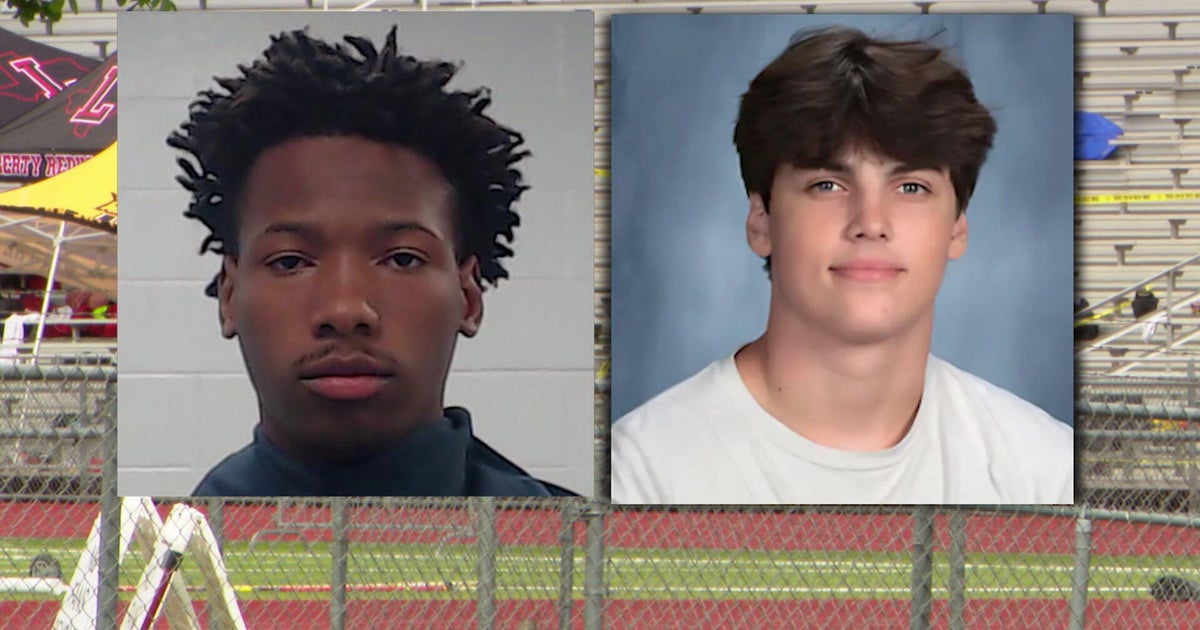
At one point, defense counsel held up a photo of Colt Gray's mugshot and reminded jurors that he was the one who "went into the high school and shot and killed four people he didn't even know and injured scores of others."
The defense suggested the community's desire for accountability may be influencing the case, arguing that others want to see someone else go to jail besides the shooter.
Attorneys also questioned whether counseling or intervention would have changed the outcome, arguing that even if Colt Gray had been taken to a counselor, he may have been able to manipulate the situation.
"How is he supposed to know?" defense counsel asked, suggesting that Colin Gray was not told everything and could not have been aware of every warning sign.
State's rebuttal: "The one person who could have connected the dots"
Following a brief recess, prosecutors delivered a final rebuttal beginning around 2:42 p.m.
The state pushed back on what it described as attempts to shift blame, including arguments that others, including family members, bore responsibility.
In a visual moment highlighted in court, prosecutors referenced a whiteboard from the day of the shooting — one that had bullet holes in it — and said the lesson written on it was about "connecting the dots."
"The only person who knew every single dot is that man," a prosecutor told jurors, pointing to Colin Gray. "He is the one person who could have connected all of the dots."
The judge began instructing the jury around 3:45 p.m. Jurors will now deliberate on whether prosecutors proved beyond a reasonable doubt that Colin Gray's actions — including allegedly providing access to firearms — amount to criminal conduct in connection with the Sept. 4 shooting.
A few evidentiary issues stopped the jury from being able to deliberate today. They will resume Tuesday, March 3, at 9 a.m.
The case has drawn statewide and national attention, raising broader questions about parental responsibility, firearm access, and accountability in school shootings.