REPORTER:
00:01:00
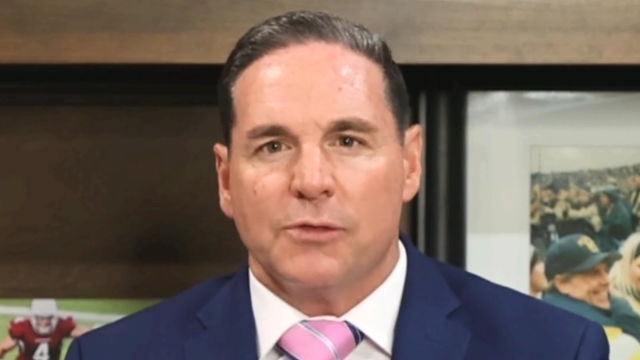
Rebecca Patterson is a senior fellow at the Council on Foreign Relations and joins us now to discuss what this all really means. Rebecca, good morning and welcome. Most people may not realize that Venezuela's oil is actually very difficult to refine, making it expensive to produce. So what is the short-term benefit for the US? And how long would it really take to ramp up production? Good morning. And thanks for having me. I think the hope here is that if the US and Venezuela can work together in the short term, you can lift the blockade on sanctioned tankers that hold oil, that then could come to the United States, be refined, and sold. And you could also create a situation where Chevron, which is operating in Venezuela right now, could increase production. At the margin, this might help reduce oil prices. The benefit to the consumer is pretty obvious. You can pay less at the gas pump. It's not going to be one for one, but marginally. And maybe over time, it helps reduce inflation, which allows the Fed to cut rates more. That's the hope. And it's possible we can see some of that in the next few months. But there are some huge challenges with this. One, the infrastructure in Venezuela around the oil industry is decimated. These are multi-billion dollar, many year investments that US firms would have to make if they decide to go back into Venezuela. President Trump said he can guarantee security. I'm not sure how you guarantee that without US boots on the ground, which I'm not sure US taxpayers and voters would be excited about. So security and certainty of policy and the government of Venezuela is a big question. The other question is price. Oil is a funny thing. If the price gets too low, it's good for consumers, but it's terrible for producers. They don't make a profit anymore. And so if we get enough supply, you could actually create a new problem by making oil less profitable for US oil companies. So there's question marks around how quickly and whether or not this is going to be very successful for both consumers and producers. Yeah. And the key piece there seems to be there is a major price to getting investment and improving the refinery capacity. How much does that compare to whatever would be gained? I want to play for you some of what the Energy Secretary said on Face the Nationyesterday. In the long run, what will happen with Venezuelan oil resources? Yeah, of course, quite likely, you'll see American companies' expanded presence there. That's going to be up to American businesses. That's certainly a very real possibility. I believe Chevron is the only company, US oil company, still in Venezuela, but these companies would help Venezuela's oil sector. How would you see that playing out? Sure. Well, I don't think they're going to do it out of the kindness of their hearts. I think if US companies are going back to Venezuela, they would think that they can get a good return on the investment there, which is sizable and long term. And they would be sure that you're not going to have another repeat of 1976 or 2007, when foreign oil companies, including American companies in the '70s, were nationalized, and in 2007 were forced, if they wanted to stay in the country, into minority stake joint ventures with local companies. So Venezuela owes several US oil companies billions of dollars. They don't want that to happen again. And so it's very reasonable, I think, that they're being very cautious about jumping on this opportunity that the president has offered them. Yeah. And you folks have written a great article about all of this. Folks should head online to check it out. Rebecca Patterson, thanks for being with us this morning. Thank you.