BENJAMIN NETANYAHU:
00:03:01
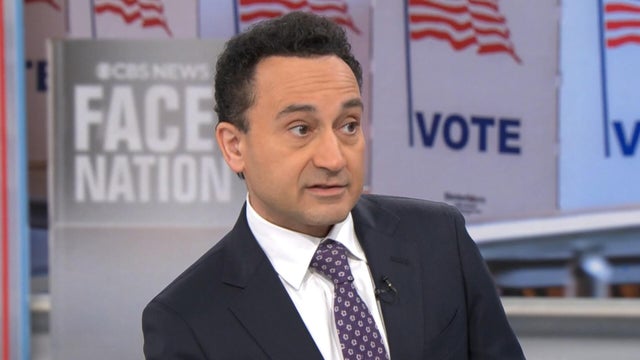
I think we should understand that we're giving everybody a chance to have this done peacefully, something that will achieve all our war objectives without any further bloodshed. This can be done the easy way, or it can be done the hard way. But it will be done. We prefer the easy way, but it has to be done. Ed O'Keefe, while this was happening, there were reports of intensified Israeli airstrikes inside Gaza. So where do things stand? Well, everyone's waiting for Hamas, basically, Major. At this point comes public statement from them, some signal that they're willing to negotiate what is a 20-point comprehensive plan to end the Gaza conflict, that, among other things, calls for the end of the war immediately if the two sides agree, work towards redeveloping the economy of Gaza, allowing Hamas members to commit to peaceful coexistence, to leave Gaza and head to other countries without harm once the hostages have been released and prisoners sent back to Gaza, and all sorts of other sticking points, frankly, that while they may agree to talk about this, could spend months, if not years, negotiating over the details of this. One of the biggest ones, for example, the idea that you're going to set up a temporary transitional governance of a technocratic, apolitical Palestinian committee to run the place until a different kind of government can be established. That wouldn't include any members of Hamas at all whatsoever. And then this board of peace that the president says he's going to co-chair with other leaders, including the former British Prime Minister Tony Blair, who's remained intimately involved in these issues over the last several years, to somehow fund and oversee the policing, the establishment, the implementation of all these plans. But again, no word yet from Hamas that they've accepted this. And even if they do, as we've seen over the last several years, now, talks between these two sides have a way of getting started and then ultimately going nowhere. Ed, it seemed very important to many observers that the president today, at the White House, engineered a phone call in which the Israeli Prime Minister apologized to the leader of Qatar over the Israeli strike there, and then the Qataris signing on to this, along with other Arab nations, indicating that they were not absolving Israel of its various grievances or the grievances they have with Israel over the conduct of the war in Gaza, what we're prepared to move this forward. Did that, in any way, suggest that there has been a shift in alignment? Or is that just what the White House is hoping has been achieved? I think what it signals is that the president has spent an awful lot of time in recent weeks talking to the leaders of predominantly Arab or Muslim nations, who have made clear to him, not only do we want this done, but there's economic incentive for everybody if we do. And to get that apology and that call made between the leader of Israel and Qatar and to try to settle that was a key priority for this White House, given how much Qatar has done to host these talks, to try to move Hamas towards some kind of an agreement, and the fact, of course, that it hosts the largest military installation run by the Americans in the Middle East, their key ally, that they have to be kept happy. So that was a key development today, certainly, and another sign of Israel's ongoing engagement with the Arab world, with its neighbors there, who are also eager to see this conflict ultimately ended.