What is black ice? How freezing rain, sleet and winter weather create dangerous road conditions
A drop in temperatures can turn an ordinary commute into a dangerous one, as black ice, freezing rain and other winter weather hazards create slick, often invisible conditions on roads and bridges.
Meteorologists warn that even small changes in timing or temperature can quickly escalate travel risks, making it critical to understand how these winter threats form, and what alerts signal the greatest danger.
Black ice and its dangers
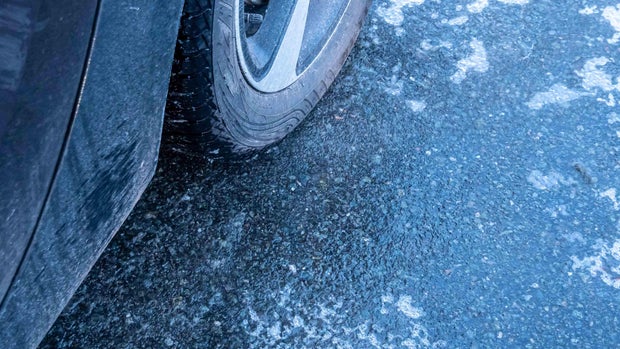
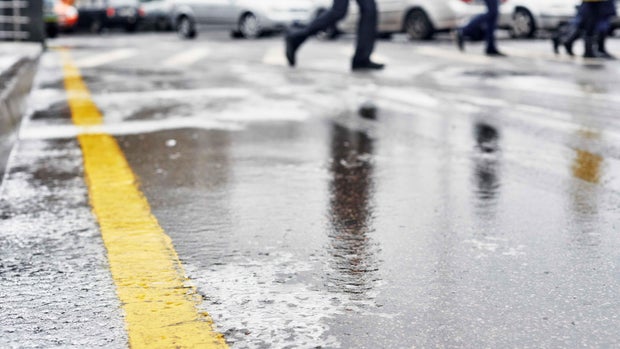
According to the NWS, black ice is a thin, nearly invisible layer of ice that forms on roads, bridges, and other surfaces. It often develops when moisture on the ground, such as rain, melting snow or fog, freezes as temperatures drop to or below freezing.
Black ice is especially dangerous because it blends in with the pavement, making it difficult for drivers and pedestrians to see. It commonly forms at night or in the early morning and is more likely on bridges, overpasses, and shaded areas, which cool faster than surrounding surfaces. The NWS warns that even a small patch of black ice can cause vehicles to lose traction suddenly, leading to hazardous travel conditions.
What is considered freezing rain?
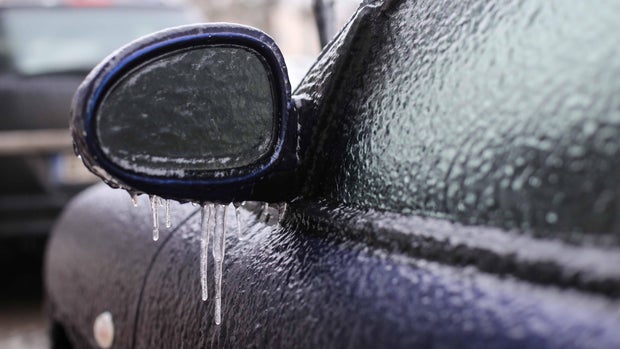
According to the NWS, freezing rain happens when liquid rain falls in subfreezing temperatures and instantly turns to ice when it hits surfaces such as roads, trees, and power lines.
This can make driving extremely dangerous and may also lead to power outages.
Difference between freezing rain and sleet
The key difference between freezing rain and sleet comes down to how thick the layer of below-freezing air is near the ground.
Freezing rain develops when that cold layer is very shallow, giving raindrops little time to freeze before they reach the surface. Instead, the rain freezes on impact, forming a layer of ice on whatever it lands on, the NWS explained.
How does sleet form?
Sleet consists of raindrops that freeze before hitting the ground, which happens when the layer of cold air near the surface is deeper. This allows the precipitation to solidify while still in the air.
As sleet builds up, it can create slick road conditions and present serious risks for drivers.
Don't just focus on temperatures, pay attention to wind chill
It's a term used to describe what the air temperature feels like to the human skin due to the combination of cold temperatures and winds blowing on exposed skin, making it seem colder than it actually is.
The virga phenomenon
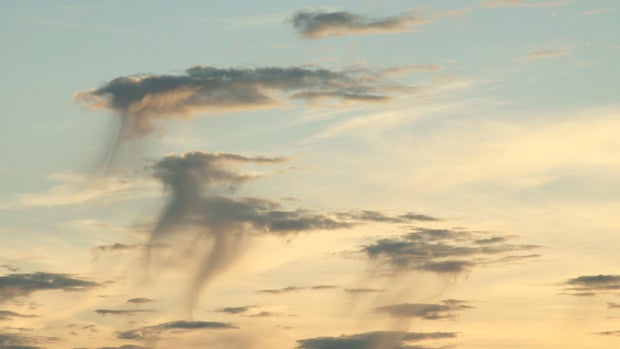
Virga is precipitation that falls from clouds but evaporates or sublimates before it reaches the ground. During the winter season, virga usually involves snow or ice crystals rather than rain.
It happens when snow falls into a layer of very dry air near the surface. As the snowflakes descend, they shrink and disappear because the air below the cloud doesn't have enough moisture to sustain them all the way to the ground. Even though precipitation is visible aloft, nothing actually reaches the surface.
Understanding a winter storm watch and a winter storm warning
A winter storm watch means there is a chance of impactful winter weather, such as heavy snow, sleet, or freezing rain, developing within the next 24 to 72 hours. The NWS said a watch is intended as an early heads-up so people can prepare, but it does not mean severe conditions are certain.
A winter storm warning, on the other hand, is issued when dangerous winter weather is expected soon or is already happening. This includes heavy snow, sleet, or freezing rain that is likely to disrupt travel and everyday activities