Preparing for Zika: Blood Donors Face New Screenings
Follow CBSDFW.COM: Facebook | Twitter
DALLAS (CBS11) - So far, no signs of the Zika virus in North Texas mosquitoes: yet.
But, experts insist that the virus is coming, so steps are being taken now to better protect the blood supply.
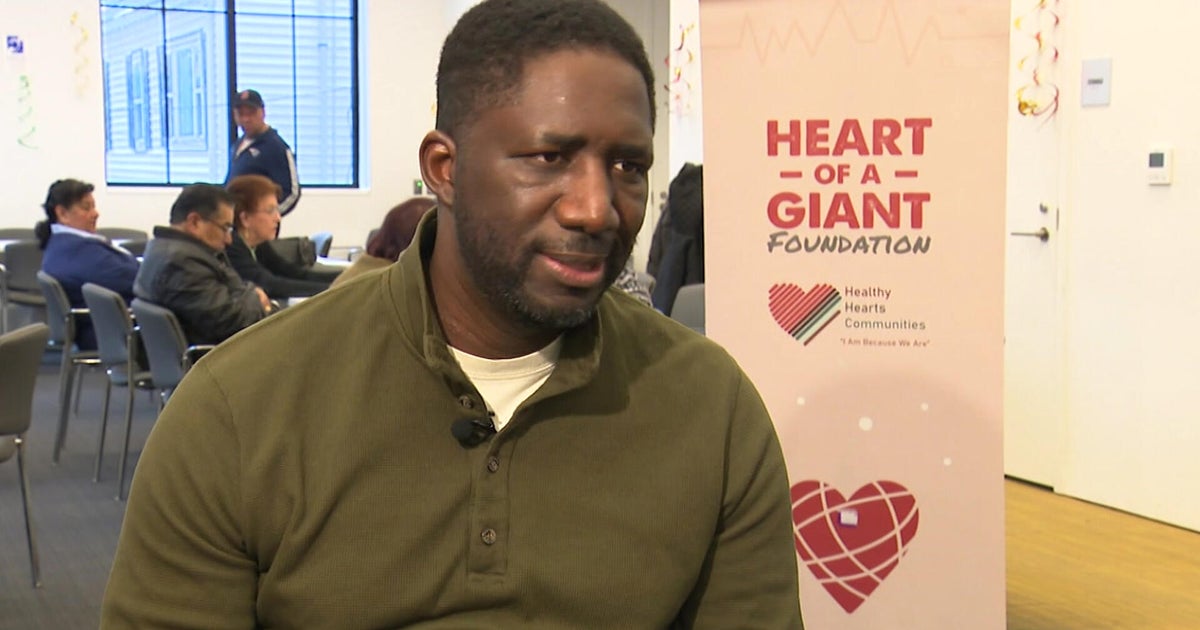
Frequent blood donor Dave Teasley says he is not at all bothered by a few extra questions posed during the screening process.
He takes mosquito borne illnesses seriously—a family member was infected with West Nile.
"It can have affects for years to come," said Teasley.
So he's encouraging others to donate blood now as new travel restrictions could potentially limit or delay donations.
"Anytime there's a concern out there that might keep other people from donating, that's when I should come in because I'm sure they need the blood even more then."
Following FDA recommendations, blood banks now ask potential donors if they've traveled to countries where the virus is active—or had sexual contact with someone who has.
If so, potential donors are asked to delay donating until past the time when symptoms could appear. Right now, the screening relies on voluntary compliance.
"Should we be concerned? On a basic level, you're always going to have some concerns," says Geeta Paranjape, M.D.
Dr. Parajape is a medical director at Carter Blood Care.
She says staffers are closely following federal recommendations to protect the blood supply. Still, she offers this dose of reality about the inherent risks.
"For some reason people have this perception that blood transfusions should have zero risk," says Dr. Parajape. "When you consider that it's a product that's coming from a living, breathing individual… it is never going to be zero risk. We try our best to make it as safe as we can. But, just as with any drug, you have to weigh the risks with the benefits."
Medical experts say in the effect of a widespread Zika virus outbreak in North Texas they will follow the guidance of local health departments to perhaps exclude donations from certain areas.
In a worst case scenario, they're prepared to tap into relationships with blood banks in other states to meet local needs.
Of course, there's also much to be said for being proactive. Planning to travel to an affected area? Concerned about what could happen here this summer?
"All the more reason for someone who hasn't traveled to come in and give blood right now," says Teasley.
(©2016 CBS Local Media, a division of CBS Radio Inc. All Rights Reserved. This material may not be published, broadcast, rewritten, or redistributed.)