Phase II Decontamination Of Ebola Patient's Apartment Completed
Follow CBSDFW.COM: Facebook | Twitter
DALLAS (CBSDFW.COM) - Ebola patient Thomas Eric Duncan is getting some help in the fight for his life. As of this past weekend, Duncan is being treated with an experimental drug.
On Monday afternoon, officials at Texas Health Presbyterian Hospital Dallas confirmed that Duncan had been receiving the experimental "medication brincidofovir for treatment of Ebola virus disease" since Saturday afternoon.
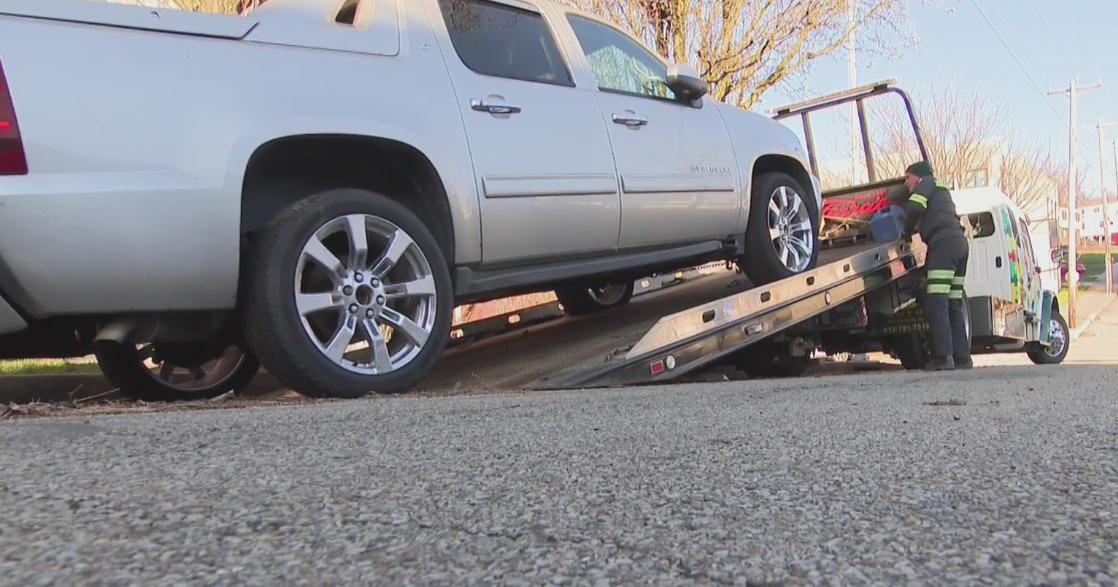
Chopper 11 was over a caravan carrying hazardous material Monday. Crews loaded up and hauled away dozens of barrels containing bedding, clothing, and even carpet from inside the Dallas apartment where Duncan was staying.
The hazardous material removal wrapped up the 'phase II' cleaning at The Ivy Apartments.
Texas Health Commissioner David Lakey called this an important week – a critical week. Despite the regular patient update information, Duncan is in critical but stable condition, cleanup and education efforts, Lakey said he knows a lot of people are still scared.
A crucial part of giving the community reassurance was the removal of the contaminated items from the apartment Duncan was living in.
Three straight days of intensive cleaning, removing all materials, and transporting what is viewed as hazardous waste, wrapped up Monday morning at ground zero for the nation's first Ebola case.
For now, the northeast Dallas apartment is off limits.
Brad Smith, with CG Environmental, explained, "We've totally cleaned the apartment… ceiling to floor. [There's] nothing living in there. [It's] all been removed."
You could see the apartment decontamination effort in full view before sunrise. Virtually everything inside that was touched by Duncan was either destroyed or sealed in bags to be transported by escort to a Dallas County facility.
The focal point for public health investigators now moves from The Ivy to a cyclical assessment of 10 people deemed high-risk for Ebola exposure, because of their exposure to patient Duncan.
On Monday officials said they have seen no indication that the virus has spread among the 10, or 38 other people identified in the Dallas Ebola contact group.
"A hundred percent were seen yesterday and 100 percent had no signs of fever, illness," Lakey said. "One hundred percent are doing well. We continue to watch them very closely."
The work to contain the virus depends upon adequate monitoring of all identified in Duncan's contact group.
State and city officials continue reiterating that Ebola isn't easily contracted. The virus isn't airborne and isn't as highly contagious as influenza, a cold or measles. A person must come in direct contact with the bodily fluids of a person who is infectious. Those fluids would include blood, vomit, urine, semen or saliva.
(©2014 CBS Local Media, a division of CBS Radio Inc. All Rights Reserved. This material may not be published, broadcast, rewritten, or redistributed.)
Latest News:
Top Trending: