From life sentence to SMU graduation: Chris Young's story of redemption and resilience
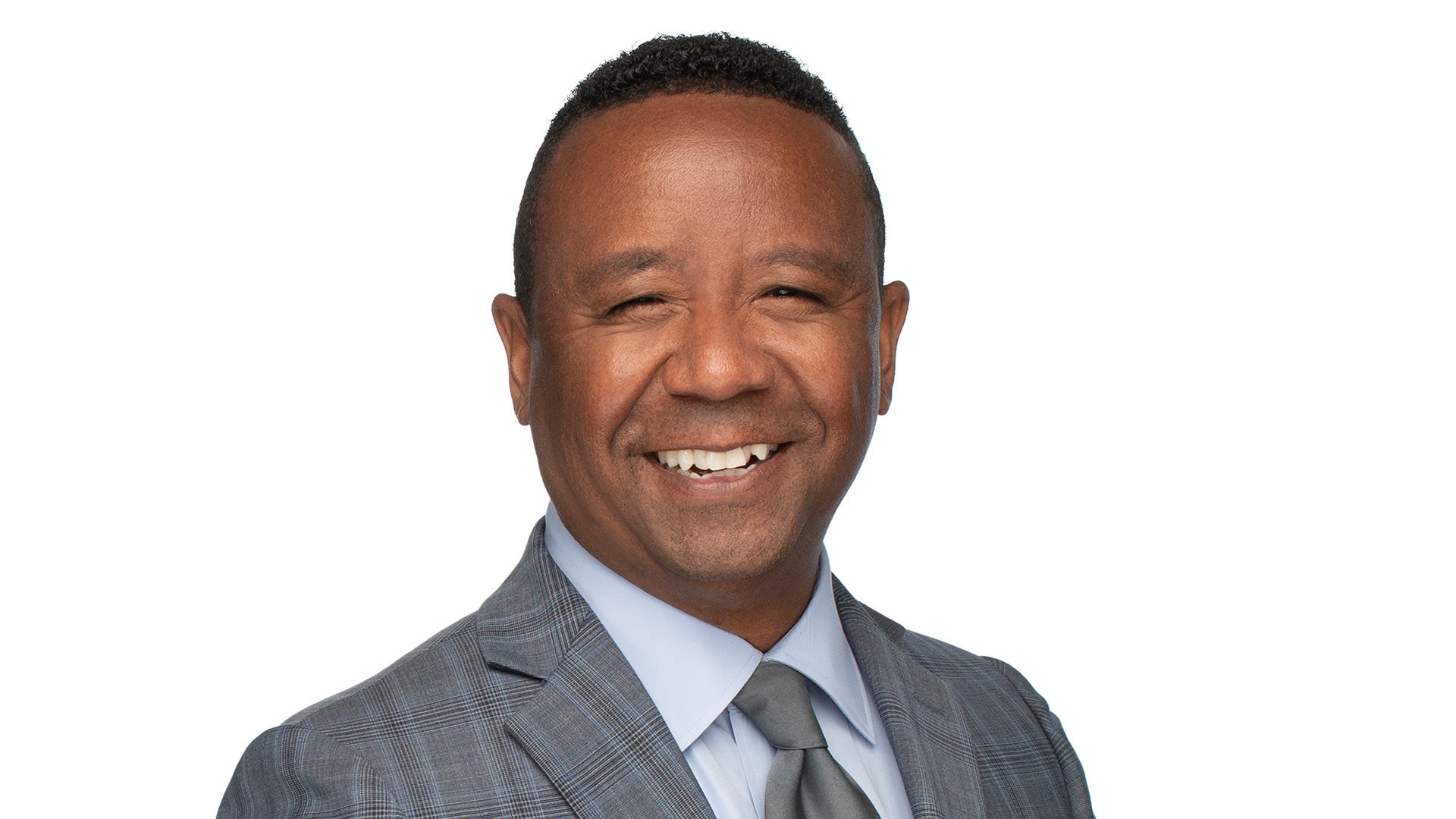
Chris Young's journey to his college commencement could be a college course on resilience, redemption, righting his wrongs and the wrongs righted for him.
"I viewed myself as collateral damage," Young said. "When I was convicted in federal court, I was sentenced to two life sentences. Life in the federal system has no parole. It means stay here until you die."
Now, at 37 years old, and for the past three years, Young has been an economics and public policy major on the campus of SMU.
His "life resume" leading up to SMU held a list of hurt, hardship and hard time in federal prison.
Federal drug conviction leads to two life sentences
He sold drugs as a teenager. Poverty permeated his childhood. His home had no running water or electricity for two years. The money gone, his mother became addicted to the very drug that he trafficked: crack cocaine.
Young's brother committed suicide at age 21, and in 2010, Young, with two arrests as a teenager already on his record, received two life sentences for drug trafficking. He was 22 years old.
"I believe my goal and purpose is to break stereotypes and shift the paradigm," said Young. "Help society view young Black men differently than how we've previously been viewed ... Every Black life doesn't consist of the same trauma and pain, but it does consist of the same history.
"My life was extreme... not just because of the institutions and policies set forth, but also because of the environment I had to endure," Young said.
His life in prison was tied to federal drug laws requiring "mandatory minimum" penalties for certain drug crimes.
Before receiving those life sentences, Young addressed the court and the judge about his offenses and about his potential.
"I spoke about possibility, I spoke about change, ingenuity," he said. "I was showing I had been resilient my whole life; now I was being redemptive. I'm more than the crime. The crime is not me."
"Collateral damage": Life in federal prison
While he sat in prison, advocates against life sentences for non-violent drug offenses worked to free Young and others like him.
Dallas attorney Brittany Barnett led the effort.
"Life sentences for low to mid-level offenders were abuses of power and racially biased," she argued. "The life penalty unfairly punished people."
The federal judge who sentenced Young actually resigned from the bench in protest over Young's legally mandated life sentence.
Kim Kardashian's advocacy in Chris Young's clemency case
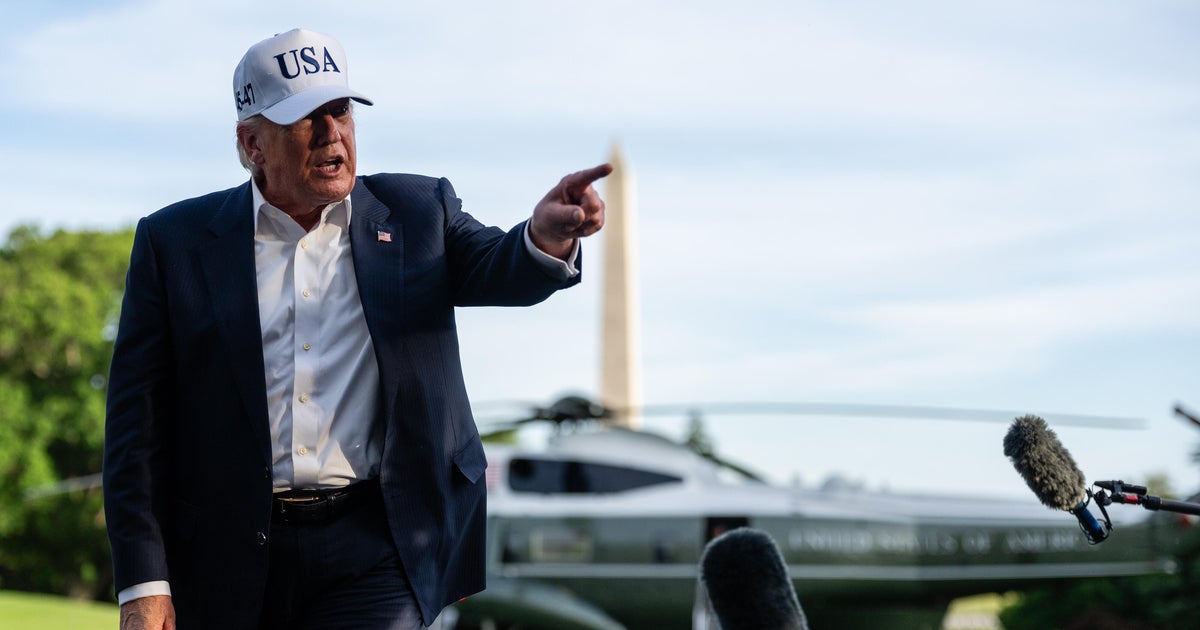
Reality TV star Kim Kardashian met with President Trump, pushing for the president to grant Young clemency. After 10 years in federal prison, the president did just that.
Free from the two life sentences, free from federal prison, Young did time where he desired: in the college classrooms of SMU.
"SMU is where world changes are shaped," Young said. "Once I started reading more, the more I knew the person I am, the person I had been, even when making careless and destructive decisions, is a man of value, of resilience ... That young Black men who come from poverty that made certain mistakes within that poverty-stricken environment, are not just that."
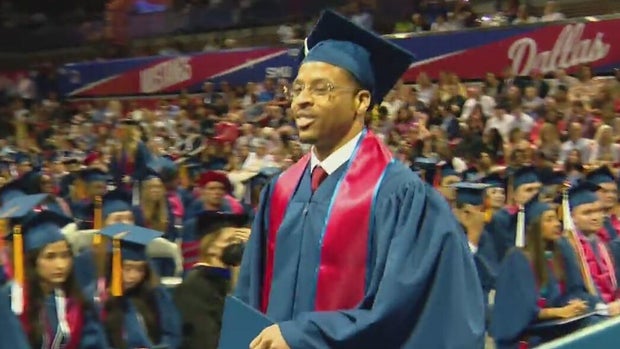
SMU graduation marks a new beginning
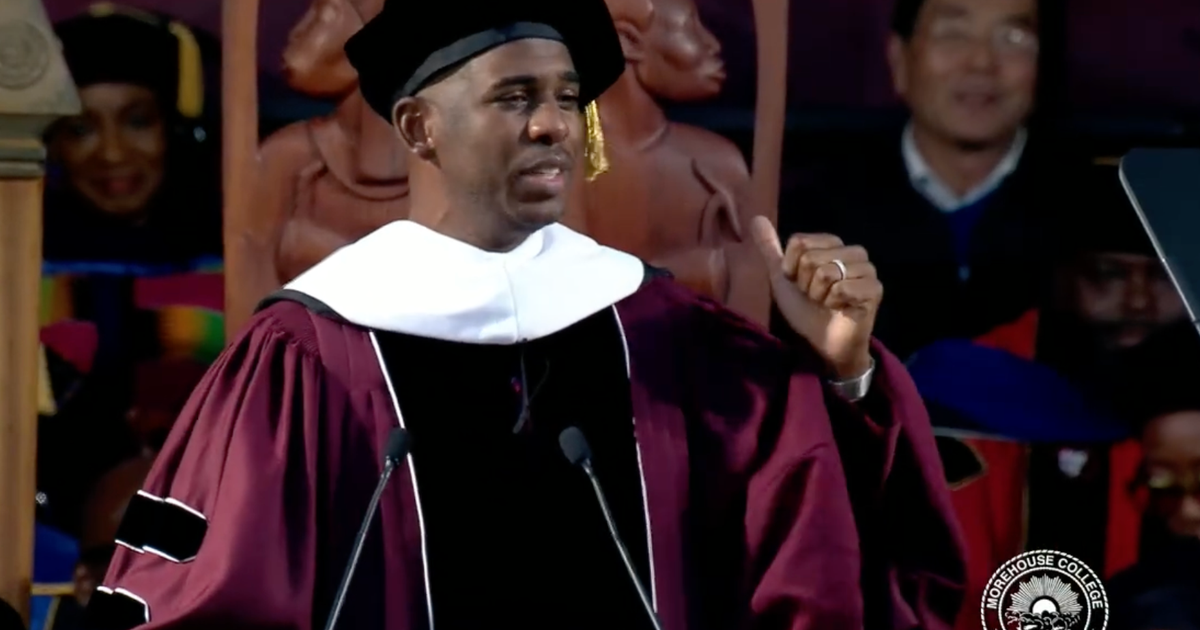
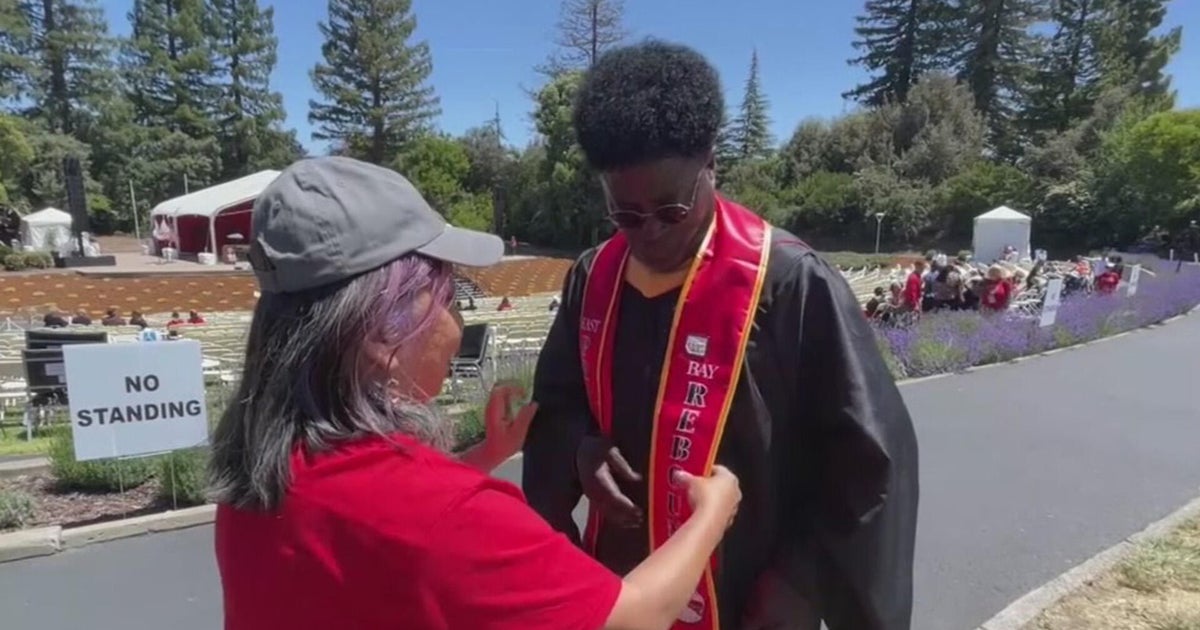
On his graduation day, Young moves to a new life chapter, the judge who was required to sentence him to life by his side, along with others who believed what he believed.
Also an author living with sickle cell anemia, Young's memoir will be released in August. He said the blood disorder has been tough, but he fights sickle cell with the same passion as fighting that prison sentence.