Dallas approves DART governance overhaul to keep member cities from leaving regional transit system

The Dallas City Council approved reforming the governance structure for Dallas Area Rapid Transit (DART) in an effort to keep member cities from voting to sever ties.
The vote follows months-long negotiations among DART member cities that have been concerned over representation, rising costs and what they describe as low ridership.
Under the new proposed model, Dallas' voting power is lowered to 45% and seven board seats, while each member city retains representation on the DART board, and no single city controls a majority of the seats.
"These principles reflect Dallas' good-faith effort to preserve a strong, collaborative system for the entire region," the city said in a news release.
Cities considering leaving DART
Voters in six cities — Farmers Branch, Irving, Highland Park, University Park, Addison and Plano — have been deciding whether to remain part of the regional transit system.
All six cities have planned withdrawal elections for May 2026.
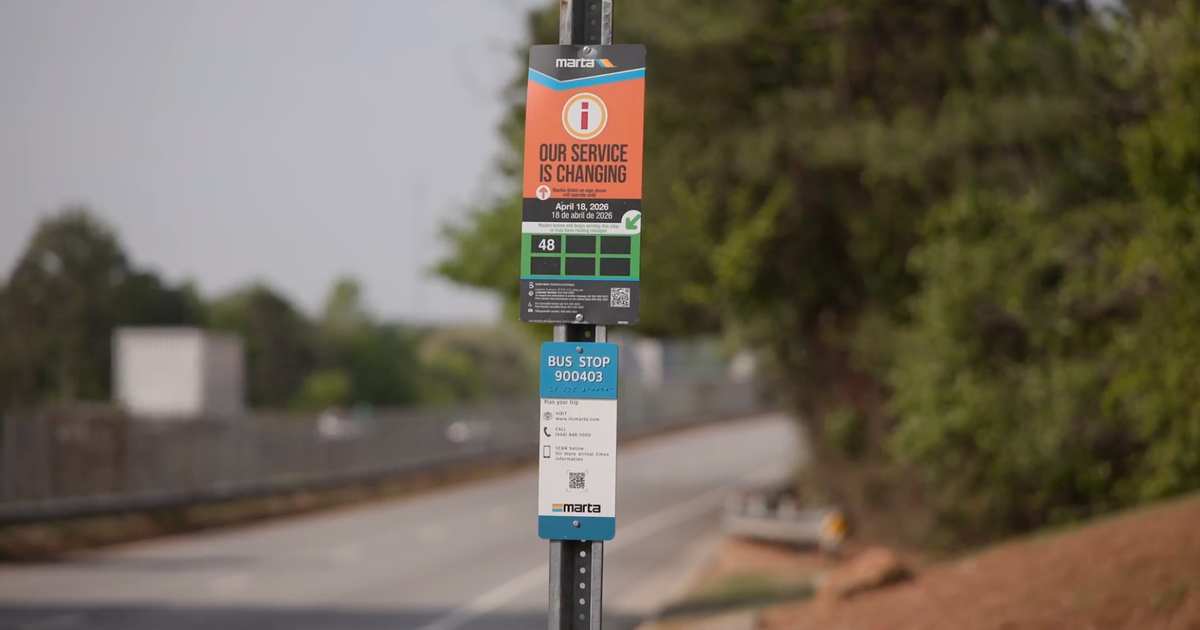
If voters choose to withdraw, DART estimates the impact would be significant: roughly 800 bus stops, 13 GoLink zones, two Trinity Railway Express stations, two Silver Line stations and 10 DART light rail stations would be affected across the region.
City of Dallas fights for compromise
City Manager Kimberly Bizor Tolbert said that Wednesday's vote "is a step in the right direction and reflects a decision made with the health of the entire system in mind. Dallas residents rely on DART to travel to work, school, and medical appointments throughout the region, and this action is a win-win for the City of Dallas, DART, and the entire region.
Tolbert also said the vote "affirms Dallas' commitment to ensuring regional transit not only remains strong but continues to thrive."
With the new governance agreement in place, on Thursday, the Regional Transportation Council is expected to hold a workshop examining potential funding scenarios tied to DART participation, including state and federal considerations and implications connected to the 2026 FIFA World Cup.