Cattlemen Trying To Save Livestock After Fires
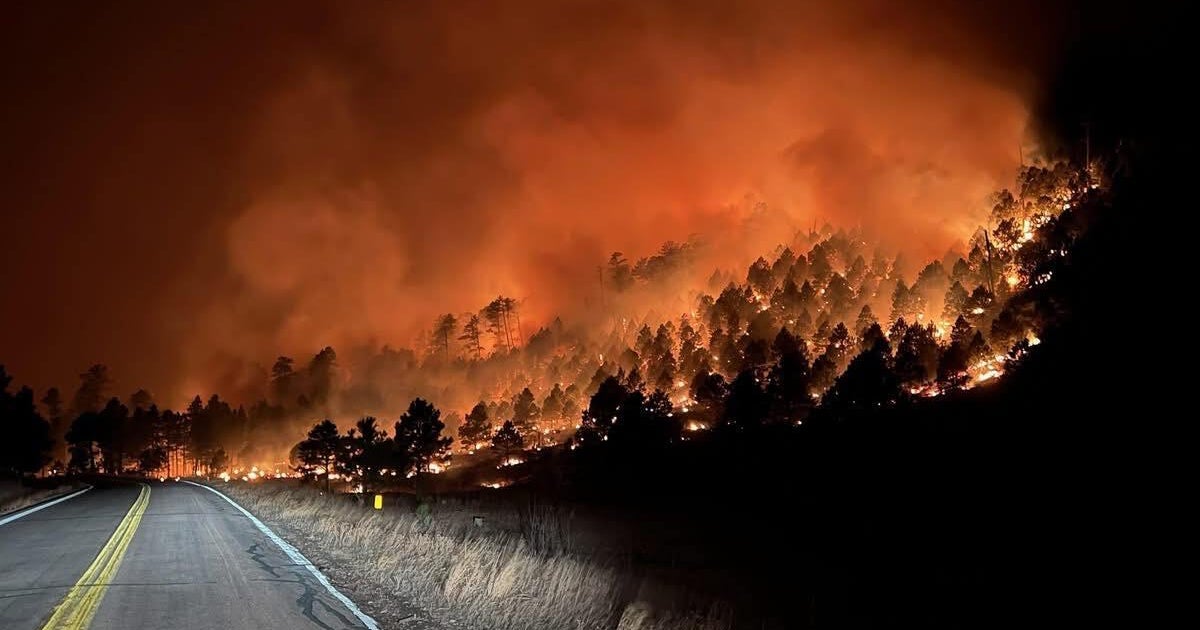
STRAWN (CBSDFW.COM) - Ranchers in Palo Pinto, Stephens and Young counties can't feed their cattle in the wake of wildfires that destroyed grazing lands, and now they're having to preparing to sell their herds.
Though the last official count of cattle lost in the fire was 90, agriculture officials said many animals haven't been located yet, and the final toll of injured or lost animals isn't known.
"There's some still looking for cattle, that don't even know where they are," said Scott Mauney, the Agriculture Extension Agent in Palo Pinto County, "Their fences were cut, and let cattle run."
Mauney said one producer near Strawn has lost 10,000 acres alone.
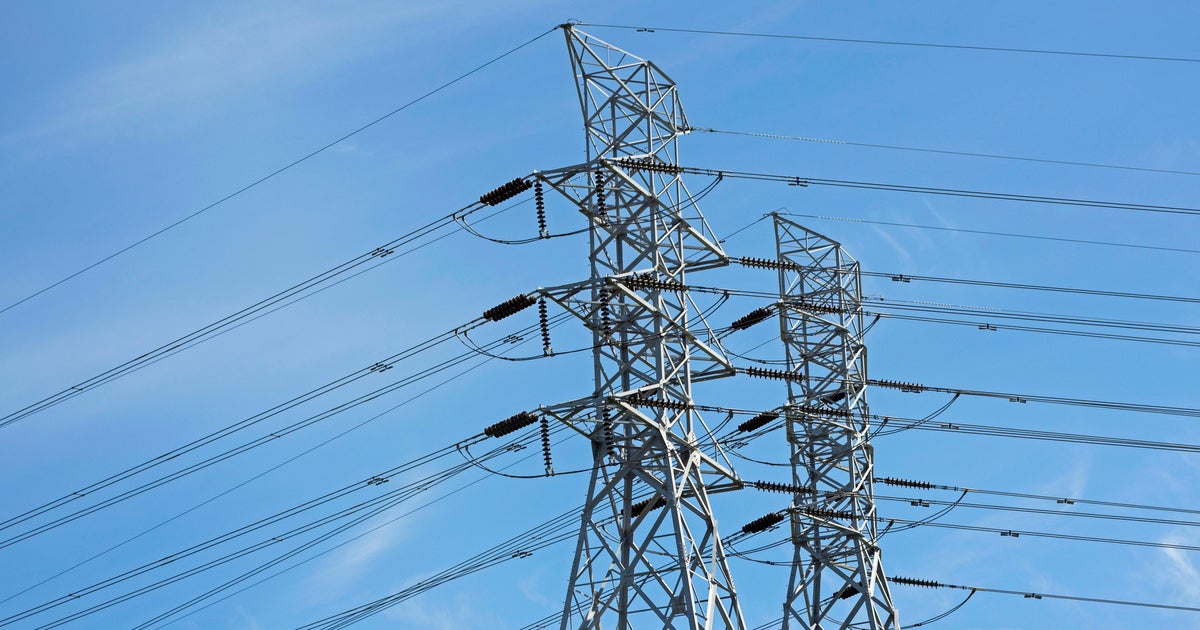
On many ranches, the power has been cut off to electric pumps that supplied water for cattle. Some producers are expected to start moving animals to other spots across the state. That is an additional unexpected expense with gas prices hovering near $4 a gallon.
Fences cut to allow firefighters access to firelines need to be repaired. Some high fences can cost more than $10,000 a mile to replace. The USDA office in Weatherford filed paperwork this week to free up money for low interest loans to go toward fence replacement.
A livestock indemnity program will also provide payment for cattle killed in the fire. But Mauney said some producers are planning to start selling animals now, because they've lost too much to care for them adequately. "Starting next week there will probably be some that'll sell them off," he said. "Because they have no place to go with them."
A donation site for livestock has been set up at an old heliport just east of the city of Palo Pinto. Friday, ranchers from other counties were dropping off bales of hay and bags of feed.
One bale of hay can feed four cattle for about a week. There was enough in the lot to feed about 120 cattle friday.
Mark hinkson was picking up 10 bags of feed to take to a neighbor in Strawn. "A lot of people got hurt" hinkson said. "hurt bad.But it'll just take time, to come back."
Mauney said people can bring in feed or hay, or donate at a local feed store. Dog and cat food is also expected to be needed, for animals who ran or were left behind when people had to evacuate during the fires.