Hearing on Camp Mystic tragedy continues Tuesday in Austin
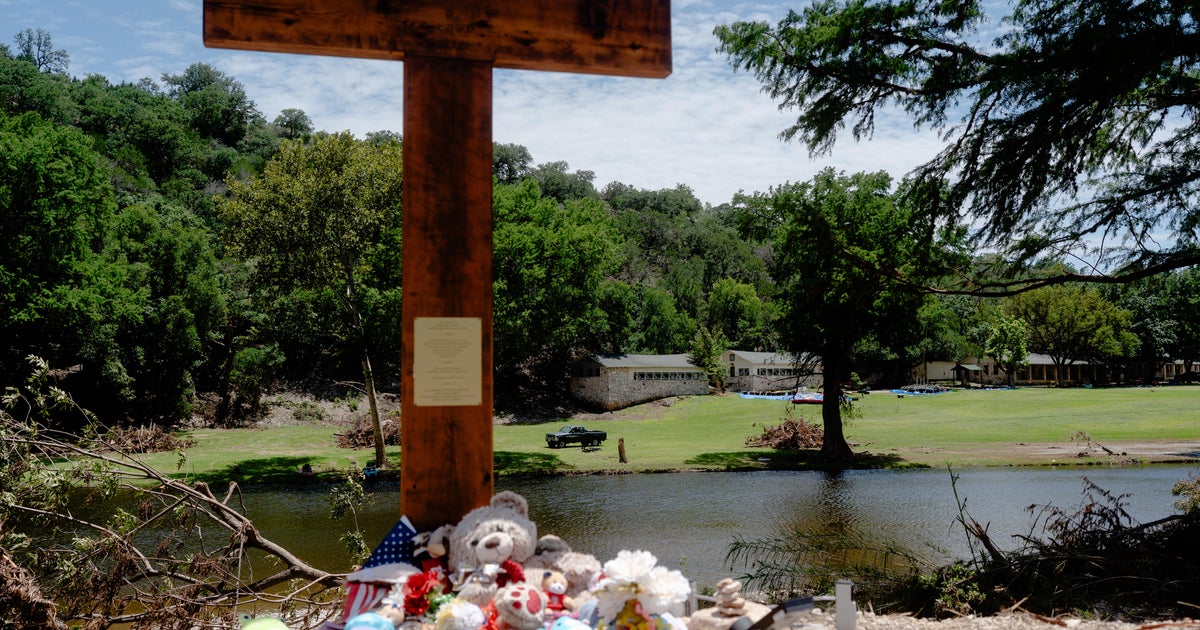
Texas lawmakers are back at the Capitol on Tuesday for another hearing into last summer's Fourth of July floods that killed more than 100 people across the Hill Country, including 27 girls at Camp Mystic.
The state House and Senate investigating committees are meeting jointly to hear testimony. On Monday, the lawmakers heard from Casey Garrett, the state's lead investigator assigned to examine what happened at Camp Mystic.
Garrett testified that despite well-documented major flood events at the camp dating back to 1932, Camp Mystic operated within what she described as a "complacent flood culture."
She outlined numerous safety shortcomings, including cabins without cell phones or radios, fewer counselors assigned per cabin than in previous years, and the absence of a formal evacuation plan. Garrett also told lawmakers that counselors consistently reported receiving no emergency training or drills for flooding scenarios.
"There was not a single person that said they were given any information," Garrett testified. "I mean, you look at what we do in schools, and have been doing for years with tornado drills and fire drills and active shooter drills. I mean, that's just unthinkable that these girls would have no training."
"I am so sorry"
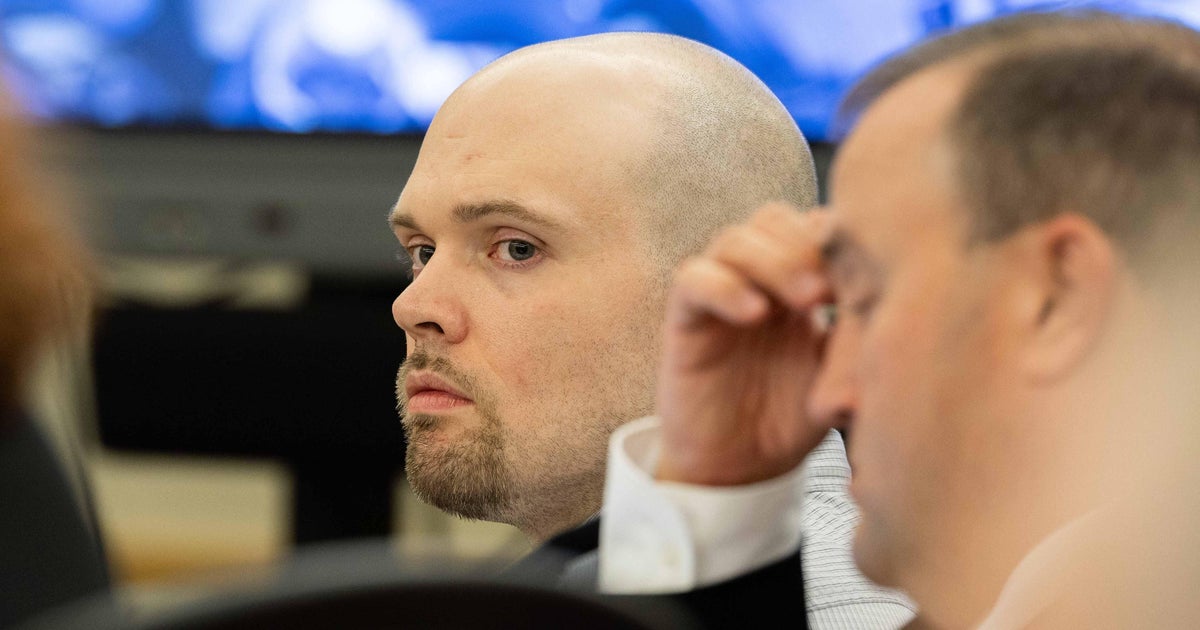
Tuesday's hearing first began with an emotional opening statement from Edward Eastland, one of the directors of Camp Mystic's Guadalupe River campus. He was joined by his family and fellow Camp Mystic leaders:
- Richard Eastland, who ran the kitchens
- Britt Eastland, who directs Camp Mystic's Cypress Lake campus
- Mary Liz Eastland, who also directs the Guadalupe River campus
"We tried our hardest that night and it wasn't enough to save your daughters," Edward Eastland said as his voice shook. "We were devastated alongside you. I regret not communicating more with each of you, and I am so sorry."
"To talk openly about our pain feels like I am insulting you, so I have largely remained quiet," he added.
Edward Eastland said his father Dick Eastland, who oversaw camp operations before he died in the July 2025 flood, was looking for information on potential flooding 30 minutes before an official flood warning was given. Edward Eastland said the team did not see it coming, as upstream river gauges were offline; the only ones they relied on were further downstream. While a radar review reportedly showed the storm going northeast and southwest of the camp, Edward Eastland said the storm cell stayed over them "for four hours straight". He also said even the National Weather Service kept changing predictions about how severe the flooding could become.
Dick Eastland, according to Edward, called for a camp evacuation at 3 a.m., and noted that camp evacuations were called back in 1978 and 1987; during those incidents, Edward Eastland said water didn't get inside the cabins.
"I understand completely when people point out the things we could have done that morning," Edward Eastland added, saying that a difference of three feet of water either way could have further drastically altered how Camp Mystic leadership's actions would have been perceived.
"Our concept of high ground has now changed forever," he said. "Even with this flood being what it was, we feel like we have failed our parents."
Edward Eastland continued to share remorse.
"I have no excuses. I have the truth of what actions I took that night," he said.
"A certain level of finality"
State Senator Charles Perry, a Republican from Lubbock, said while he understood that Camp Mystic's leaders did what they thought was the best at the time, he still had concerns about how to move forward. He opened up questioning by asking Edward Eastland if he agreed that owning and running a camp was a privilege, to which Eastland agreed. He then highlighted issues with Camp Mystic's application to renew its license, highlighting 27 deficiencies in it.
Edward Eastland admitted that while he was responsible for the application, he had relied on applications for years prior to fill out information. He admitted it was a mistake and that multiple team members had hands on it.
Perry then questioned estimated revenues for the camp from the upcoming session if it moved forward, and how much counselors were paid. Britt Eastland said they estimated between $3-4 million in gross revenues for six weeks of 10-day sessions for an assumed 858 enrolled campers.
Mary Liz Eastland said counselors were paid about $1,000 before bonuses for bringing friends in, and that yearly raises and increased pay for certifications and other factors were also included. Edward Eastland also answered a question from Perry about deposits, saying they charged families a $400 flat fee that was fully refundable.
Edward Eastland also promised that Camp Mystic was investing in safety, including backup power generators, a cell tower for better communication with emergency personnel, walkie talkies in all cabins with access to NOAA alerts, and extensive emergency training for counselors.
Perry, however, said that Camp Mystic leaders should have been doing more even before the Texas state legislature took action to update requirements for summer camps.
"All of these things should have been being done anyway," he said. "I want to remind people: that stuff was already supposed to be done."
Perry also said the Eastlands needed to face a particular consequence in the wake of the tragedy: not being allowed to operate Camp Mystic.
"Y'all will not be an operator next session, next season, if I can have anything to say with that," he said, "because you just missed it, and it was tragic."
Perry said he believes the camp can stay, but with a different operator.
"Our system of justice has a large deterrent factor in it," he said. "If you're left as an operator in any form or fashion, what deterrent does that send to another operator that I can have kids die on my watch and still be an operator?"
"There just has to be a certain level of finality to it, and leaving you as an operator doesn't provide that finality," Perry added.