Ahead of major policy change, Fort Worth short dozens of EMS staff, fire chief says

Fort Worth's interim fire chief is raising concerns about staffing levels in the fire department's ambulance service.
At a meeting of the city council's Public Safety Committee on Tuesday, Interim Chief Raymond Hill said the department is losing EMS staff at an accelerated rate.
About seven EMS staff are leaving the department every month, Hill said, making for an attrition rate of 16%. The average in the fire department historically is 5%, he said.
The fire department has 360 people on its EMS staff, with a target staffing of 449. Of the 360 on staff, 74 are in training or recently graduated from training and are not yet ready to deploy. That leaves 89 vacant positions.
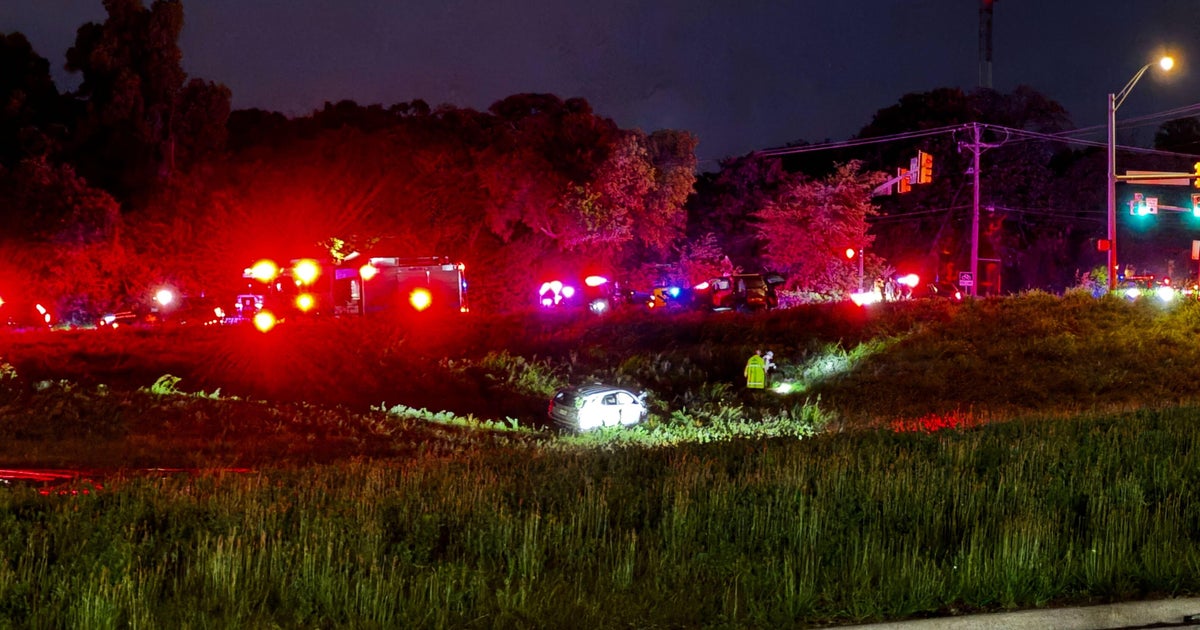
A shortage of EMS workers in Fort Worth is raising concerns by some council members about whether an ambulance will be available when someone calls for help.
"I don't think anybody on this table wants to see that at 9:36 if a citizen calls, and they can't get an ambulance, that's not what we want to see, right?" said Michael Crain, District 3 City Councilmember. "As we're moving into the new systems, are we adequately prepared to do this?"
"It's definitely a challenge; we're definitely looking at bringing on more people," said Craig Trojacek, spokesperson for the Fort Worth Fire Department. "We are force-hiring individuals every day, about 10 every day, to make sure that we have the ambulances and stuff."
Because of the staffing issues, the department is implementing a temporary pilot program to change EMS shifts from 12 hours to 24 hours.
Currently, EMTs and paramedics work seven 12-hour shifts over two weeks, three shifts one week and four shifts the next. That requires at least four hours of mandatory overtime per person. For three months starting on Saturday, the shifts will change to what's known as the 24/48 model: 24 hours on duty and 48 hours off duty.
Hill said the 24/48 schedule helps with work-life balance by giving EMS staff more total days off per month. He said it's also more popular nationally.
"The majority of our EMS providers are leaving for dual role positions in other agencies," Hill said during the meeting. "Some of the benefits are that you get more days off per month, an improved work-life balance, an easier commute management, and a shift desirability; 87% of the employees want to work that 24/48."
With all the upsides of the 24/48 model, it still has some drawbacks. A big issue the Fort Worth Fire Department is running into is the fact that the model necessitates staff to sleep at fire stations.
Despite two months of preparation, Hill said the department does not have enough beds in place. They will not have the needed beds for another two months, he said, which would leave just one month left of the pilot program. Staff will need to sleep on cots in the meantime.
"We're working around that to make sure we're keeping ambulances on the street, we're keeping people showing up at your doors during times of need, and we're doing it with a long-term thought behind it," Trojacek said.
The department also must set up partitions for privacy, which is all the more necessary as a higher percentage of EMS staff are women than the firefighters they will be sharing fire stations with.
CBS News Texas contacted the Fort Worth Firefighters' Association to ask them about the changes. In a statement, a spokesperson said, "The Fort Worth Professional Firefighters Association is working cooperatively with fire department administration and the City of Fort Worth to work through the logistics of having our fire-based EMS respond out of existing fire facilities on a 24-hour basis to include facilities for meals, rest, privacy, and personal accommodations. Our priorities will continue to focus on timely response to 911 calls and working conditions for those responding to those calls."