Technology
Apple reportedly making AI security device
Apple is reportedly developing a home security system that will use AI to track movement without recording video footage. CNET senior technology reporter Abrar Al-Heeti joins CBS News.
Watch CBS News
Apple is reportedly developing a home security system that will use AI to track movement without recording video footage. CNET senior technology reporter Abrar Al-Heeti joins CBS News.
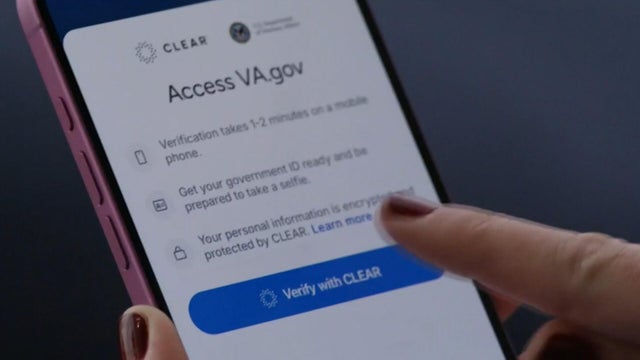
CLEAR has expanded its reach beyond airports to healthcare, sports venues, workplaces and more. CLEAR chair and CEO Caryn Seidman Becker announces a new partnership with Veterans Affairs that's designed to make it easier for veterans to verify their identity and access benefits. Learn more (Sponsored by CLEAR)

From labor shortages to environmental impacts, farmers are looking to AI to help revolutionize the agriculture industry. One California startup, Farm-ng, is tapping into the power of AI and robotics to perform a wide range of tasks, including seeding, weeding and harvesting.
Frontier tech whistleblowers have warned that artificial intelligence is being developed too quickly and that protective guardrails are needed to prevent catastrophe. ControlAI's Connor Leahy weighs in.
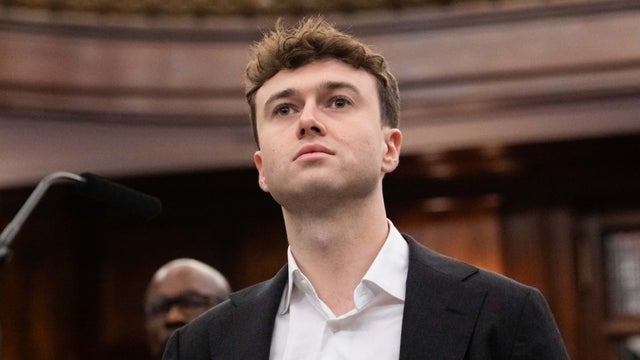
Whistleblowers sounded the alarm over the potential threat artificial intelligence poses at a landmark hearing before the New York City Council on Monday. Representatives from OpenAI, Google and other big tech companies also testified as city lawmakers considered AI safeguards. CBS News' Lauren Fichten reports. Anthony Ha, a TechCrunch editor, also joins CBS News to discuss President Trump's formation of an AI "Super Intelligence Force."

ZDNet Editor-in-Chief Jason Hiner explains best practices for setup and success of smart home security systems.
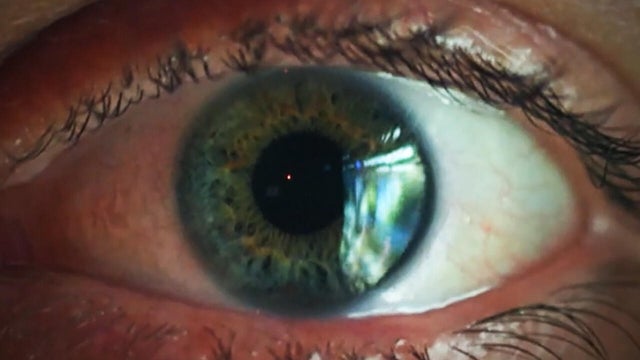
Hany Farid, a leading expert on deepfakes and digital manipulation, estimates that half of the content widely viewed on the Internet is fake. What does this mean for our ability to detect images generated or hallucinated by artificial intelligence?
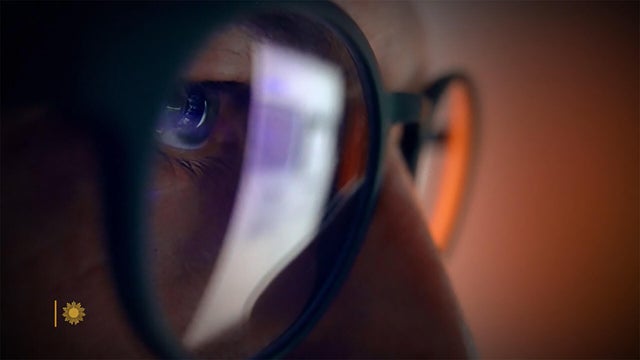
Hany Farid, a leading expert on deepfakes and digital manipulation, estimates that half of the content widely viewed on the Internet is fake. What does this mean for our ability to detect images generated or hallucinated by artificial intelligence? "Sunday Morning" senior contributor Ted Koppel talks with Farid about the toll of studying deepfakes; about the weaponization of AI imagery; and about whether AI agents will ever be accepted as replacements for humans.

Qwen, a popular Chinese AI model, might have been programmed to give government-friendly answers to controversial questions, according to new research. CBS News' Josh Boswell has more.
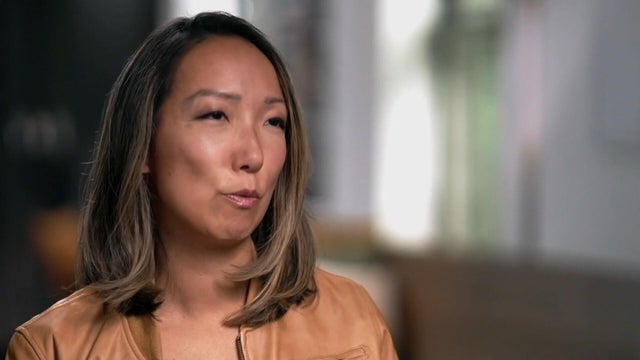
AI is changing many of the tasks traditionally handled by entry-level workers. Tech executive Clara Shih discusses what that could mean for the next generation of employees Sunday on 60 Minutes.
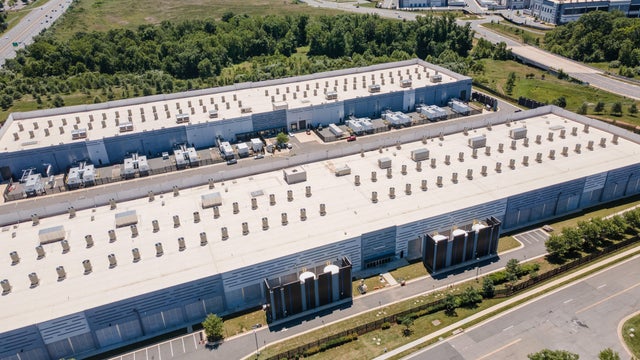
Amazon said it will invest $1 billion over five years to support job education, energy affordability and other priorities in communities where its data centers are located.

A popular Chinese AI program, Qwen, has no memory of Tiananmen Square and no tolerance for Winnie the Pooh.
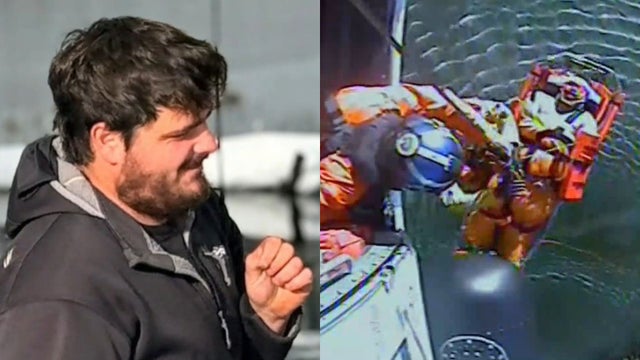
A fisherman who was trapped under a boulder was rescued after he used his headphones to ask Siri to call 911. Carter Evans has more.
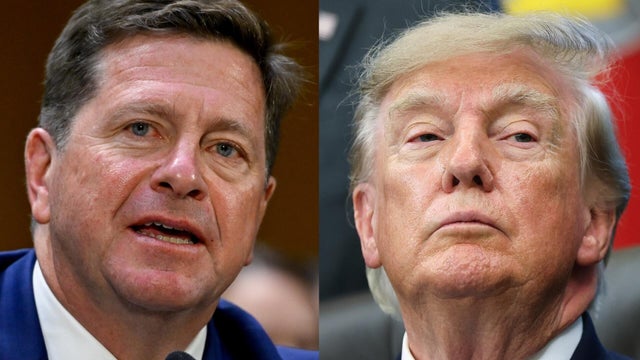
President Trump is likely to make Jay Clayton, his director of national intelligence, the White House's AI czar as lawmakers seek guardrails for the booming technology. Politico's Calder McHugh joins with more.

Cyberattacks and scams are skyrocketing due to artificial intelligence, which is making it easier for criminals to engage in fraud, the report finds.