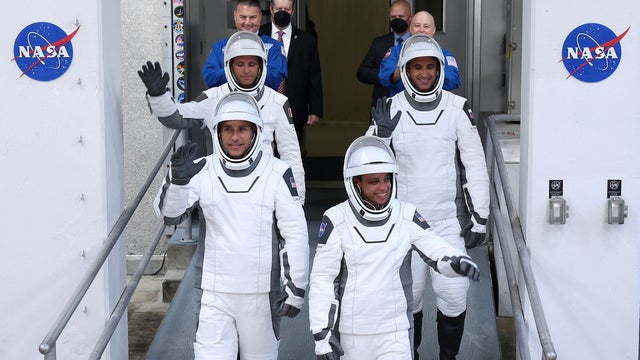
Crew docks at space station with astronaut who'll miss birth of 3rd child
With the arrival of four fresh space station crew members, four others will head for home after 235 days in orbit.
Watch CBS News
With the arrival of four fresh space station crew members, four others will head for home after 235 days in orbit.
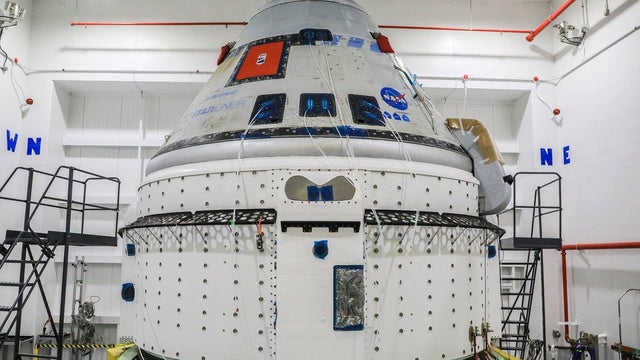
NASA says it is committed to helping Boeing get its Starliner back in space after multiple upgrades and improvements.
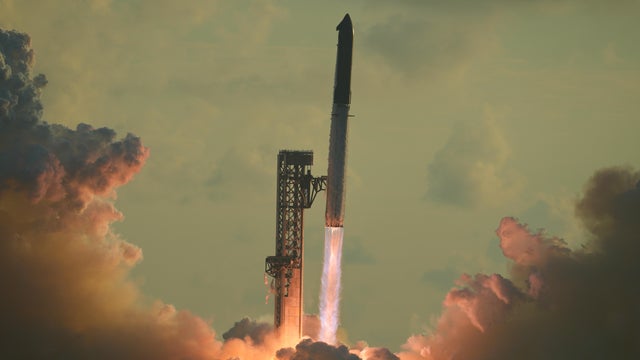
The Super Heavy-Starship rocket's 14th test flight, the first boosting the upper stage to orbit, marked a major milestone for both SpaceX and NASA.
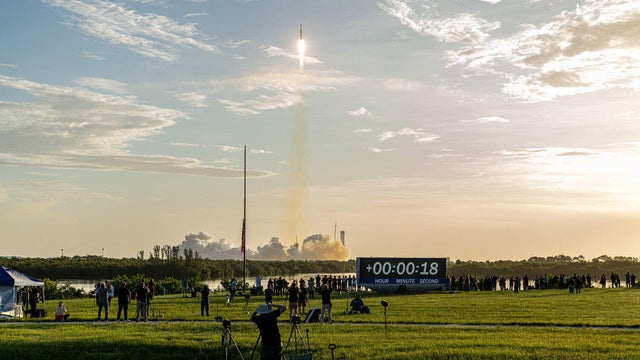
NASA's Roman Space Telescope launched shortly after daybreak from Kennedy Space Center and blazed toward an observation point 1 million miles away.
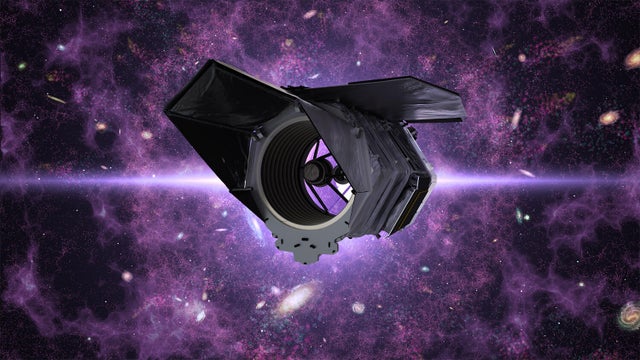
The $4.3 billion telescope is expected to discover tens of thousands of exoplanets while probing the nature of mysterious dark matter and energy.

"Space is the hot thing," President Trump said at the NASA Johnson Space Center in Houston.
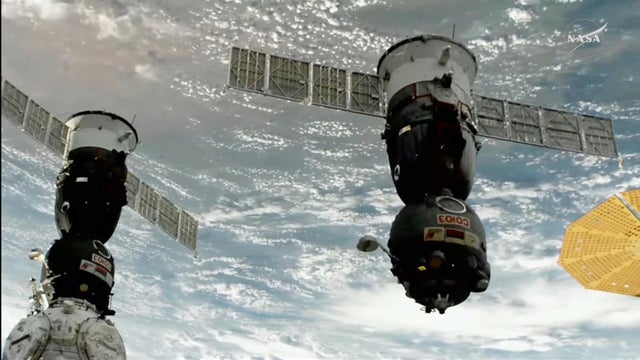
The Soyuz MS-28 landing in Kazakhstan brought a 241-day stay in space to a successful conclusion.
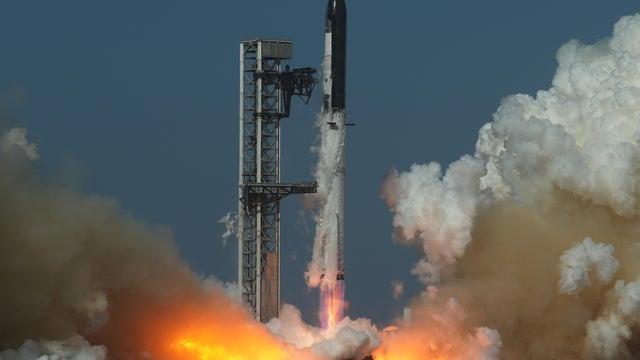
An upgraded version of the world's most powerful rocket is key to landing NASA astronauts on the moon in the agency's Artemis program.
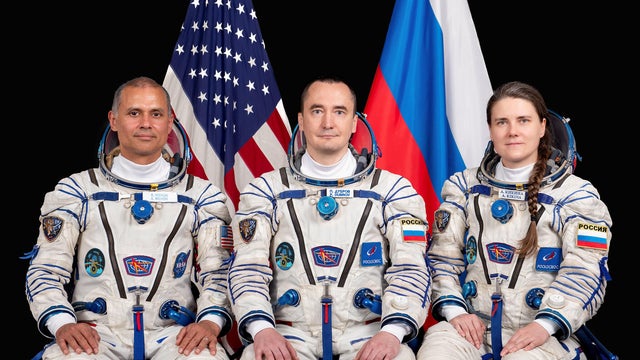
The new crew will replace three other Soyuz fliers wrapping up a 240-day stay aboard the International Space Station.
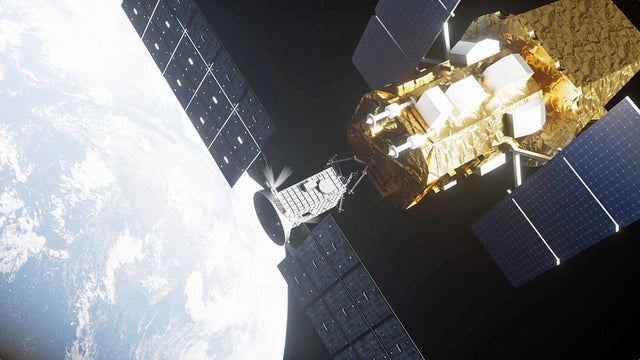
Katalyst Space's LINK spacecraft is designed to capture and boost NASA's Swift observatory back to a safe altitude.
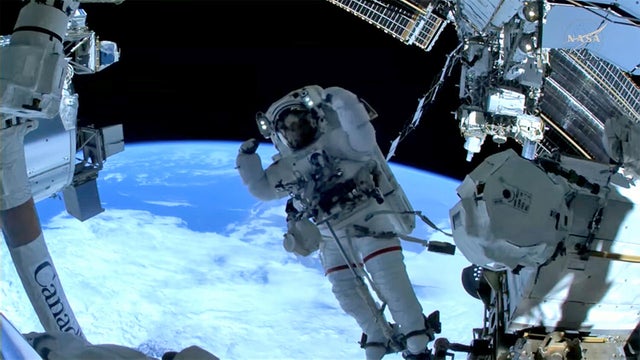
The orbital surgery on the International Space Station returned the Canadian-built robot arm to full health after its "wrist" joint failed last month.
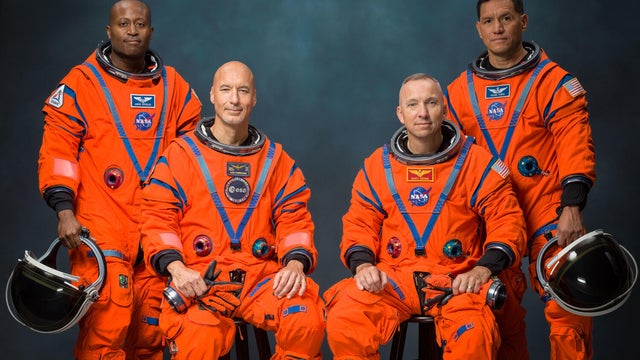
NASA's Jared Isaacman says the crew was selected solely based on their experience, expertise and availability for flight assignment.
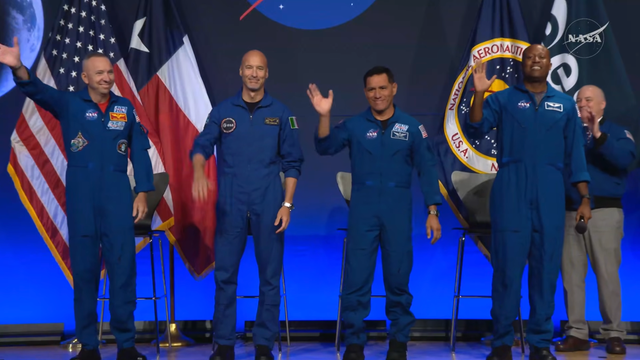
NASA's Artemis III astronauts plan to carry out rendezvous and docking procedures with commercial moon landers being built by SpaceX and Blue Origin.
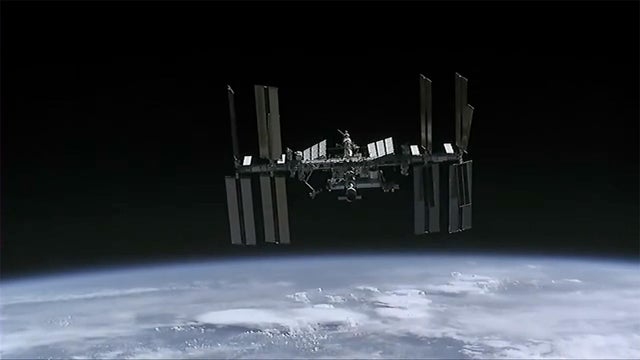
Out of an abundance of caution, NASA briefly directed five of the seven crew members aboard the International Space Station to wait inside the docked SpaceX Crew Dragon "Freedom" spacecraft.
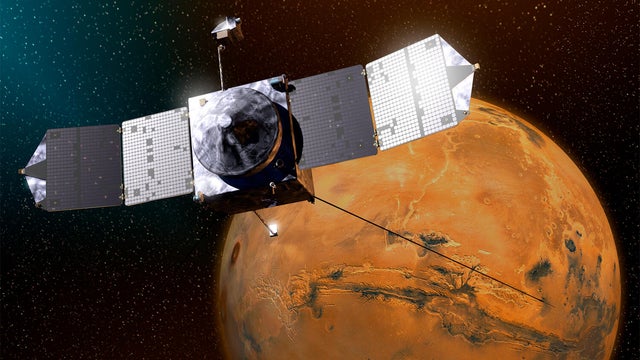
NASA officials said the $582 million MAVEN orbiter could not be recovered after a problem on the far side of Mars late last year, and that its extraordinarily successful mission was at an end.