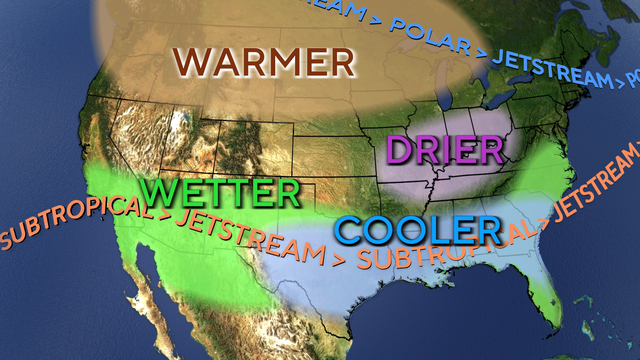
What to know as "super El Niño" conditions take shape
Here's what to know about El Niño, the powerful climate pattern impacting weather across the globe.
Watch CBS News
Here's what to know about El Niño, the powerful climate pattern impacting weather across the globe.
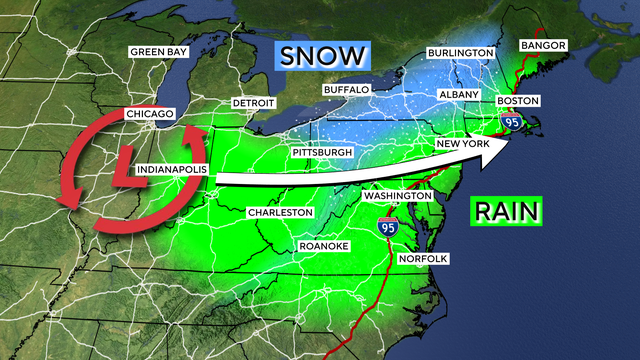
Parts of the Northeast could see their first snowfall of the season later this week, as a cold snap spreads over the eastern half of the U.S.
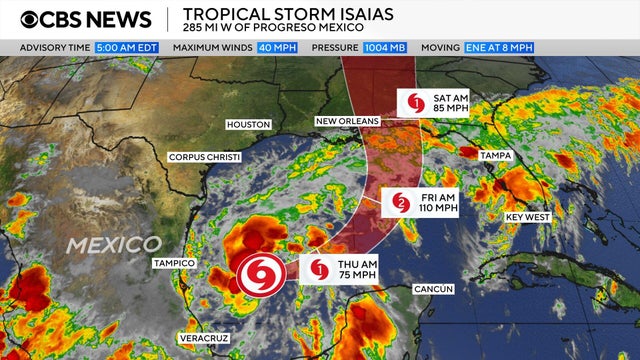
Tropical Storm Isaias has formed in the Gulf and is expected to become a hurricane by Thursday before approaching the U.S. northern Gulf Coast on Friday, according to forecasters.
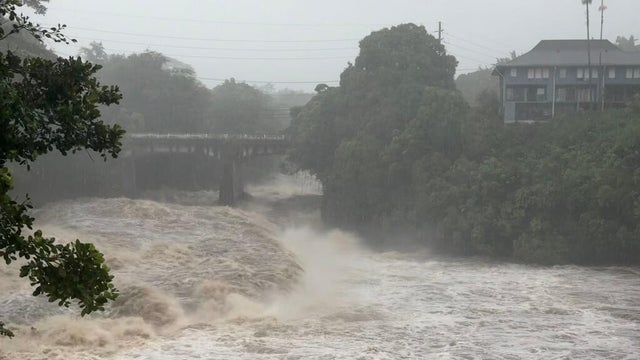
Lala was weakening but still packing a punch as it moved away from the islands, forecasters said.

The last time an El Niño pattern occurred was in 2023, when the Eastern Pacific hurricane season produced 20 tropical systems.
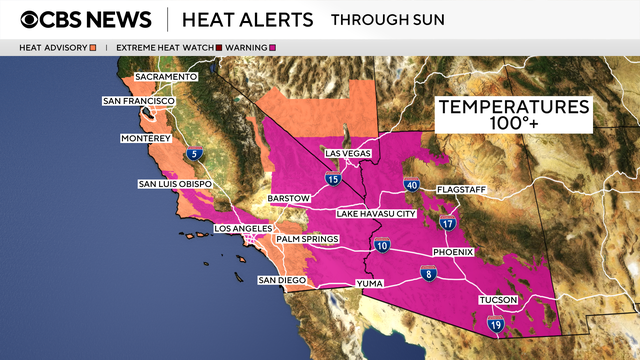
A long-duration heat wave is taking shape over the western half of the U.S. and forecast to stick around in the days ahead.
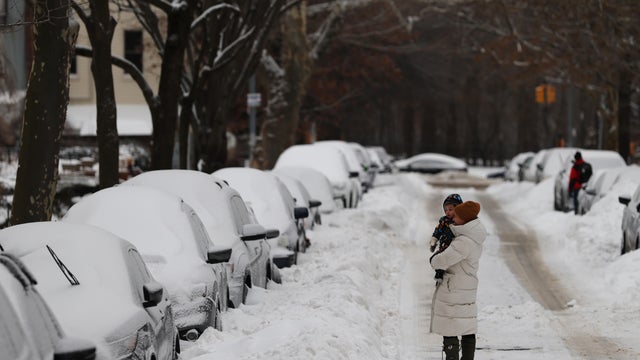
The winter storm bringing harsh weather to much of the U.S. dumped snowfall totals higher than 20 inches in some states. How much snow did we get?
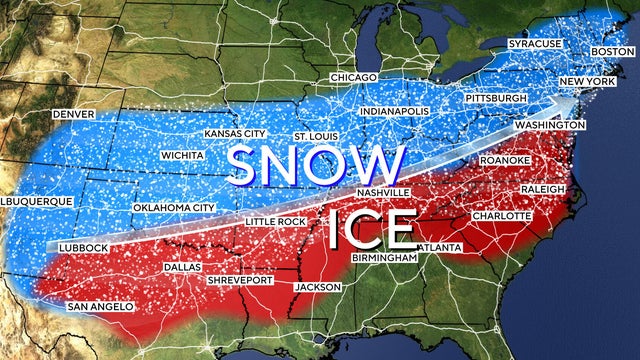
Heavy snow, ice and brutal cold are expected to make this winter storm a potentially life-threatening weather event, stretching across two-thirds of the U.S.
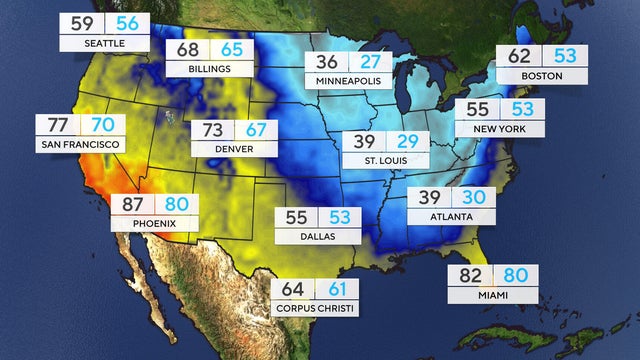
A harsh drop in temperatures is being delivered to the eastern two thirds of the U.S. thanks to a polar vortex dipping down from the Arctic.
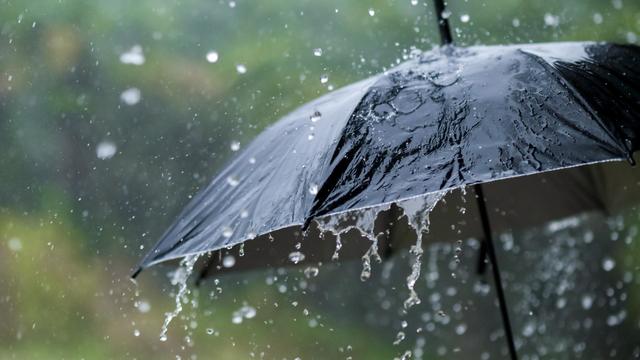
The Interstate-95 corridor should be on alert, from the Delmarva Peninsula up into the Northeast and New England region, forecasters say.

A deadly tornado that ripped through a rural city in North Dakota in June has been upgraded to an EF-5, the National Weather Service said Monday, marking the first twister with an EF-5 rating in 12 years.
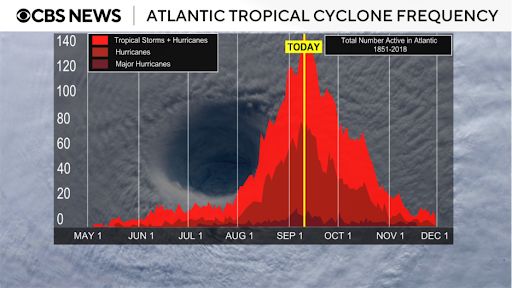
This year has been quieter than expected for tropical systems in the Atlantic, making some wonder: Where are all the hurricanes?
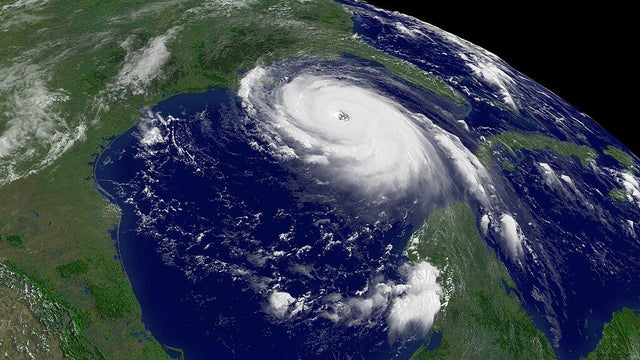
Katrina, one of the deadliest hurricanes on record to hit the United States, first formed as a tropical wave off the coast of Africa.

Stunning images show expansive plumes descending on the Phoenix metro area and the city's international airport.
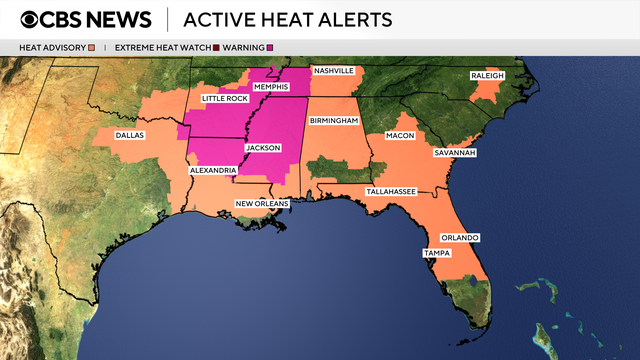
A cold front is bringing storms and lower temperatures to parts of the country, while the Midwest sees poor air quality from wildfire smoke.