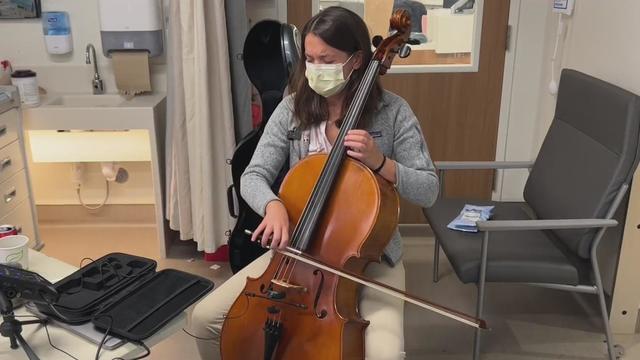
Stanford researcher creates musical medicine to comfort palliative care patients
The power of music is comforting patients undergoing palliative care, helping them and their loved ones through an extremely emotional and difficult time.
Watch CBS News

It was a Bay Area baptism under fire.
Less than a month after arriving at KPIX as the 5 p.m. co-anchor and night-side reporter, Elizabeth Cook was in San Francisco's Mission District covering a chaotic Occupy march when a protester shoved her and her cameraman. With only moments to spare, the team got to safety and filed their report for the 11 p.m. news.
For the next couple of years, Cook would finish her 5 p.m. show and then immediately jump in a live truck to file breaking stories across the Bay Area for the 11 p.m. news.
"There's no question that being a field reporter makes you a better anchor," she says.
In 2013, Cook was promoted to also co-anchor the station's 11 p.m. edition with veteran journalist Ken Bastida.
As a child growing up in the Los Angeles suburb of La Canada Flintridge, she gravitated towards history and storytelling. Her interest in journalism began when she was a senior in high school.
"I was Rose Princess for the Tournament of Roses and that required a lot of public speaking," she remembered. "NBC's Tom Brokaw was the Rose Parade Grand Marshall. We went to many of the events together and I got to know him pretty well. I loved hearing his incredible stories from his career and became inspired from his immense compassion for people."
Brokaw asked her if she had ever thought of being a journalist, and that planted the seed. While completing her degree in Broadcasting from the prestigious USC Annenberg School for Communication & Journalism, Cook interned at ESPN and worked at The Jane Pauley Show at NBC.
After graduating, she got her first on-air reporting job in Palm Springs.
Cook reported, produced and served as a multimedia journalist before becoming the primary news anchor at KMIR-TV. While there, she covered two of the deadliest fires in California history, the death of President Gerald Ford and visits from President George W. Bush.
She is a 10-time Emmy and two-time Edward R Murrow recipient. She is also the recipient of two NorCal RTNDA awards.
At KPIX. Cook extensively covered the Occupy movement and the illegal sale and transport of guns in Oakland.
She also covered Bay Area connections to some of the world's biggest stories. She profiled a Bay Area man who helped Syrian refugees escape their country; reported on the California company developing a serum to treat the Ebola virus; and covered a new medical device that is unlocking some of the mysteries of Parkinson's disease.
Elizabeth also exposed the illegal transport of California horses to out-of-state slaughterhouses, and the controversial experiment to protect a threatened species of owl in Humboldt County.
She's been passionate about highlighting some of the Bay Area's most intriguing women, from the San Francisco Chronicle's first female Editor-In-Chief Audrey Cooper to 49ers General Counsel Hannah Gordon.
Cook never misses an opportunity to get back out in the field. She's anchored shows from downtown Main Street after the 2014 Napa earthquake; at the scene of the devastating China Basin fire; on the turf at the Levi's Stadium home opener; and inside San Francisco's Super Bowl City leading up to the big game's 50th anniversary.
She has great respect for co-anchor Ken Bastida. "He brings a breadth of experience to the anchor desk," she says. "Part of the newscast is feeding off of each other, especially when there's breaking news. It helps to know your co-anchor's energy, know where they're going."
"A lot of people are surprised when they learn how much our team really loves each other," she says. We are genuinely good friends."
When Cook isn't behind the anchor desk, she enjoys chasing after her son Beau, exploring San Francisco restaurants with her husband and embarking on the endless quest to find the best coffee in the Bay Area.
The power of music is comforting patients undergoing palliative care, helping them and their loved ones through an extremely emotional and difficult time.
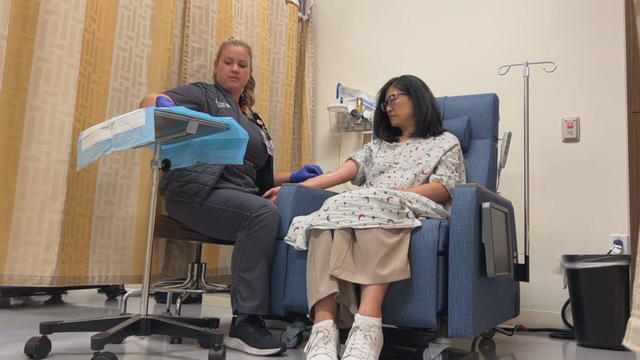
Of the Asian women diagnosed with lung cancer, 57% are nonsmokers, according to a study. For all others, only 15% of the women diagnosed had no history of smoking.
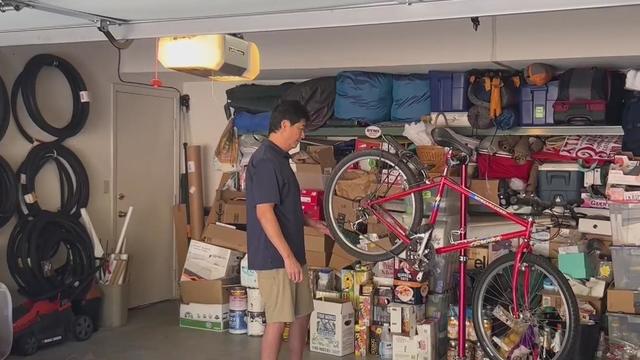
A Bay Area man who overcame tremendous obstacles to excel in school has made it his mission to gear up other students for success in the classroom and in life.

A Bay Area testing ground for high-tech public transportation can be founded in the most unlikely of places: Walnut Creek's Rossmoor retirement community.
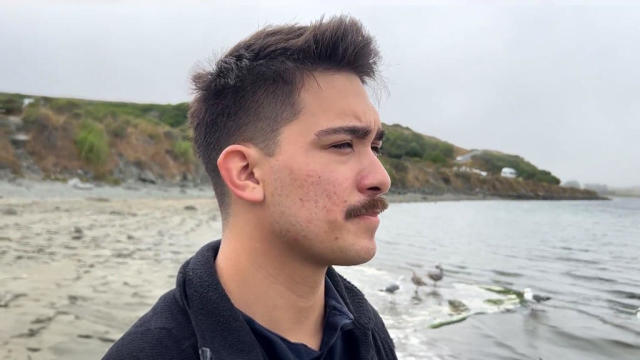
For Students Rising Above scholar Josh Collins it took moving across the country to realize the value of his Bay Area family.

Samir Hooker had to grow up fast after his stepfather was shot dead 12 years ago. Now he is watching over his mom and sister while attending UC Berkeley.

LGBTQ+ individuals experience discrimination and minority stress that may lead to elevated cancer risk, according to the latest study by the American Cancer Society.

A series of new studies on climate change is making clear what scientists and researchers have long been warning about the state of our planet.
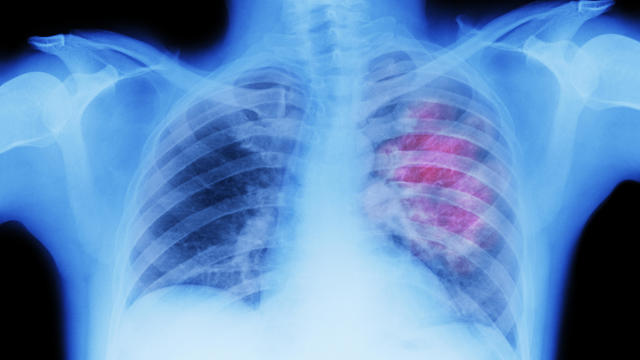
A Bay Area-based study finds that 80% of Asian American women with lung cancer never smoked and researchers are trying to figure out why.
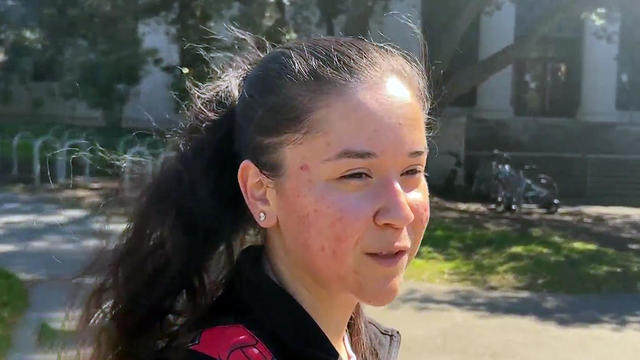
It's hard enough to graduate from one of the most prestigious schools in the country when you're the first in your family to go to college. Imagine doing that while you're also trying to protect your parents from being deported?

The most consequential measure on the March primary election ballot in California might be Proposition 1. The $6.3 billion bond measure is a key part of Gov. Gavin Newsom's plan to create drug and mental health treatment beds.

A meeting between two Oakland artists 20 years ago led to a deep friendship and Grammy-nominated poetry.
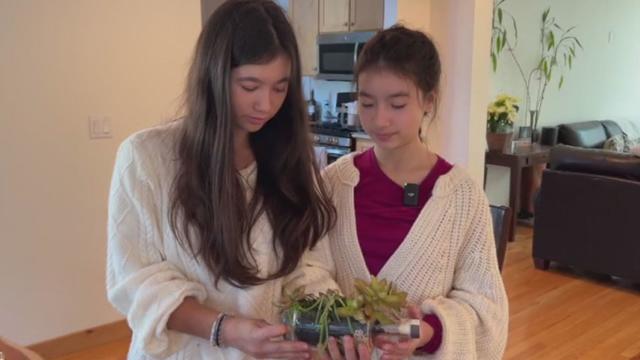
A pair of sisters is raising money for the Alzheimer's Foundation to help people like their grandmother.
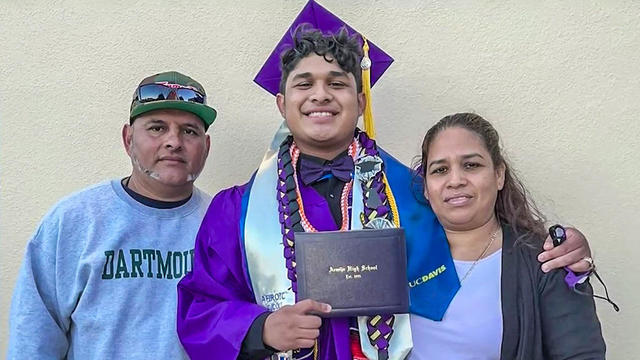
Some students who are the first in their families to go to college face the challenge of balancing a rigorous academic load while still working to help support their family back home.
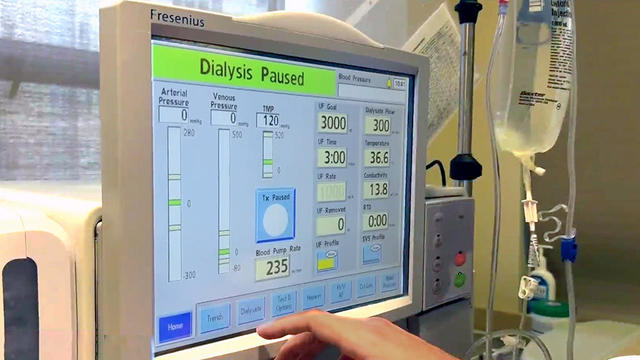
Kidney disease is growing at an alarming rate, with many patients being told they will need dialysis to survive. A new UCSF study is showing that for some, dialysis doesn't need to be a life sentence.