
San Carlos nonprofit turns hard-to-recycle plastic into useful new products
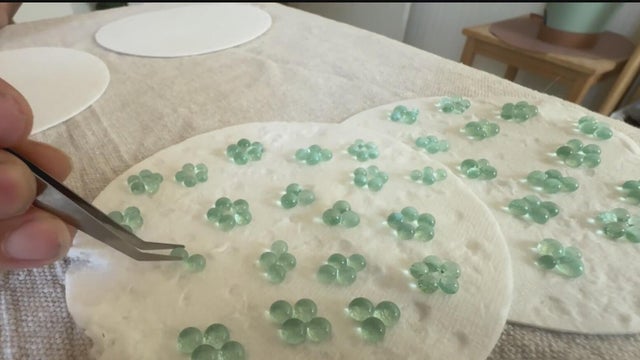
Less than 10% of plastic ever gets recycled. The rest ends up in landfills, where it eventually breaks down into microplastics that get into the air, soil, and water.
Watch CBS News

Less than 10% of plastic ever gets recycled. The rest ends up in landfills, where it eventually breaks down into microplastics that get into the air, soil, and water.
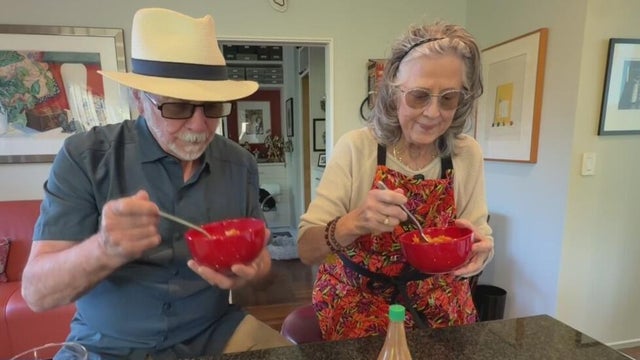
A blues virtuoso and a wayward Southern belle living in the Bay Area are sharing their recipe for comfort and joy.
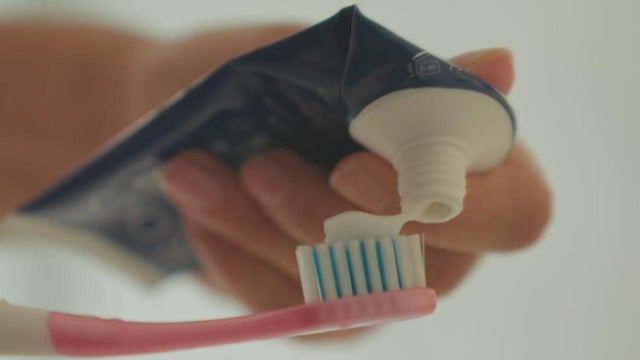
People in the U.S. use some four to six tubes of toothpaste per person each year, with billions of plastic tubes ending up in landfills.
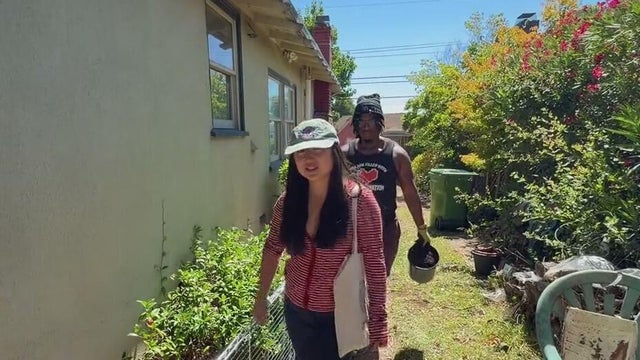
In a quiet neighborhood in Oakland, a backyard was abuzz with young people answering an urgent call to action.
An investigation is underway after a woman was shot and killed Friday morning near the Oakland Adult & Career Education Center, officials said.

No one knew it at the time, but at the end of their 1966 North American Tour, the "Fab Four" would never again play a paid, public ticketed concert.
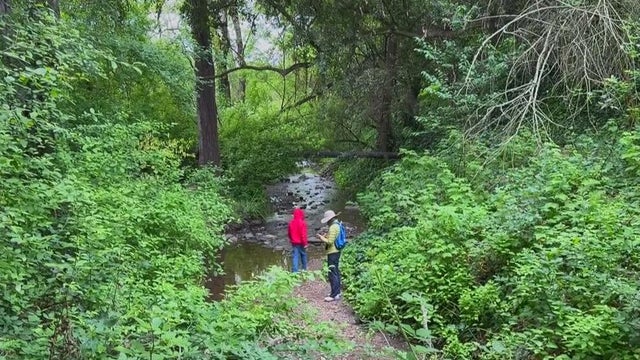
From its headwaters high in the Oakland Hills throught the city's Fruitvale District to where the waters eventually empty into the Oakland Estuary and San Francisco Bay, Sausal Creek is a historic treasure.
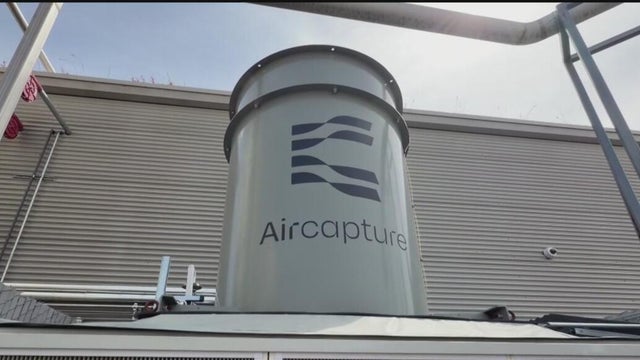
A few weeks ago, the brewery launched Flow on tap and in cans. It's the first commercial beer on the planet carbonated with carbon dioxide pulled directly from the surrounding or ambient air.
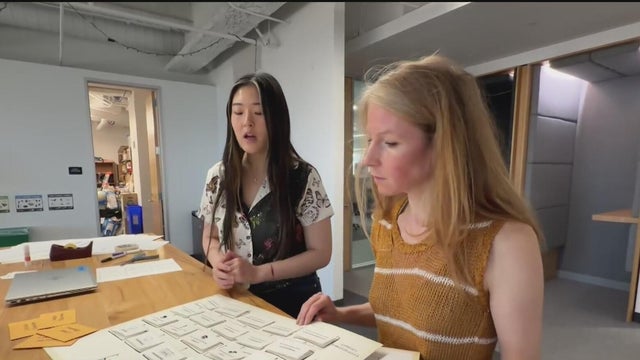
On the sand dunes near Ocean Beach in San Francisco, artist Alicia Escott felt the pull of history and the sense of loss, heartbreak, and grief.
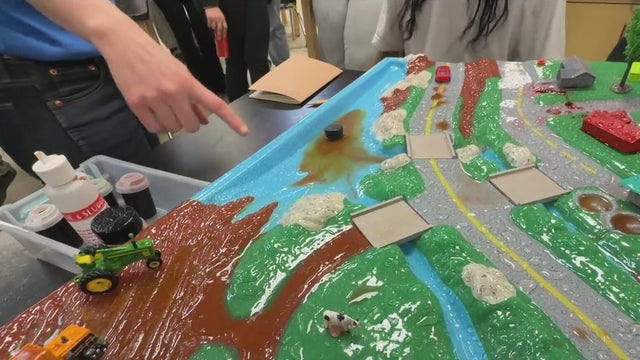
A pilot program is providing Bay Area high school students with lessons on the importance of where their local water comes from, the systems that bring it to their homes, and the threats to the supply.
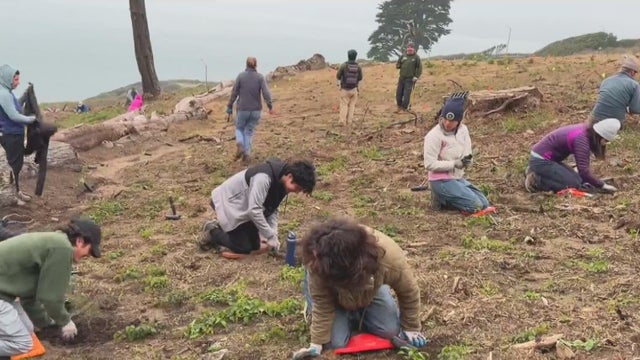
Volunteers have reached another milestone in their effort to re-establish native plants and animal species at the Presidio of San Francisco.
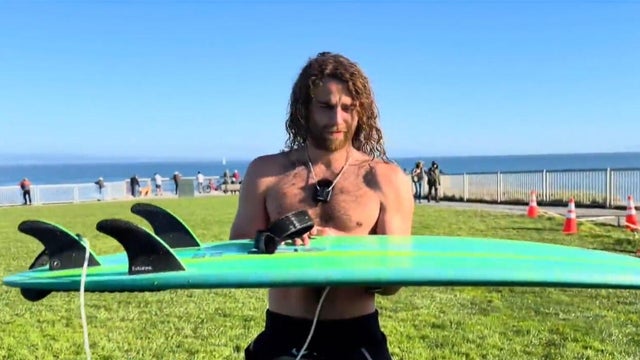
In a recent survey, the vast majority of surfers feel a personal responsibility for the health of the ocean. Now, a Santa Cruz company hopes to provide them with one way to surf in a more eco-friendly manner.
While recent data and reports show how car break-ins in the Bay Area are down, they still occur and it's the last thing you want to see as you head to the car.
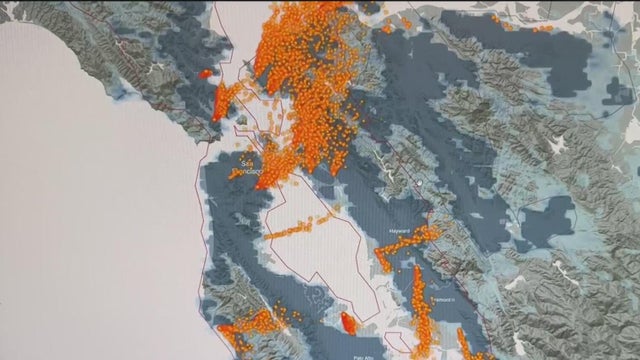
A form of harmful air pollution that often can't be plainly observed is now being tracked with a groundbreaking new tool developed by scientists that allows residents to see where it's coming from.
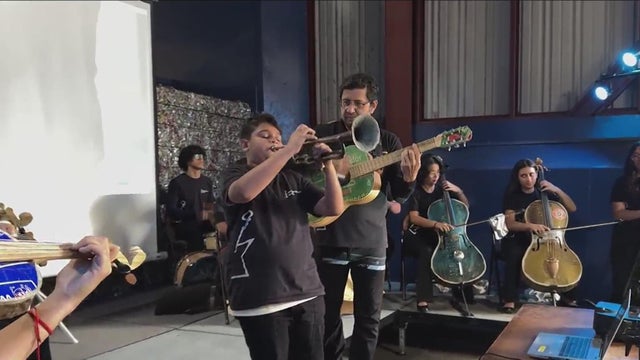
Last weekend, a special performance unfolded in Central San Rafael. The location was unusual: it's where collection bins full of waste, recycling and compost are brought.