Superfood for bees to fight against threats developed using Bay Area gene editing technology
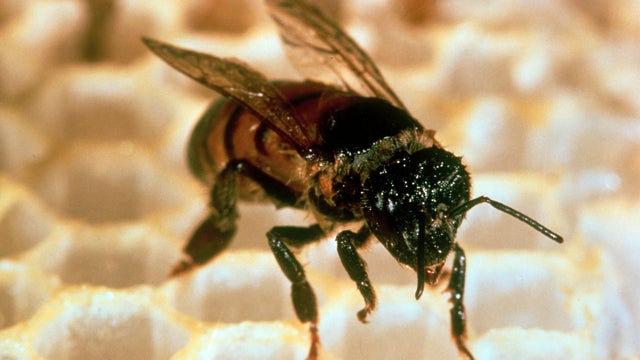
Honeybee populations facing severe challenges are now being helped by the development of a bee superfood using technology developed in the Bay Area.
Watch CBS News
Anne Makovec anchors "The Afternoon Edition" on KPIX and updates local and breaking news streaming on CBS News Bay Area all day long.
She's been with KPIX since 2010, reporting on the front lines of wildfires and earthquakes and covering landmark court rulings that changed history.
Makovec has been covering Northern California news since 2004 in the Monterey Bay, Sacramento, and San Francisco Bay Area. She started her career at her hometown radio station in Wisconsin before she was even finished with high school and hasn't stopped chasing news since.
Makovec has spent much of her journalism career covering politics and breaking news, but always loves to hear about good news in our communities. Please reach out if you have a tip.
In her free time, she volunteers with several local organizations including the Boys and Girls Club of Oakland, Muttville Senior Pet Rescue, and Glide Memorial Homeless Services in San Francisco.
Makovec lives in downtown San Francisco with her former shelter pets: Sandy, Winston and Daniel.

Honeybee populations facing severe challenges are now being helped by the development of a bee superfood using technology developed in the Bay Area.
A group of volunteers at San Francisco's Presidio National Park is drawing inspiration to restore local habitats and biodiversity from a life-sized art project across the globe.
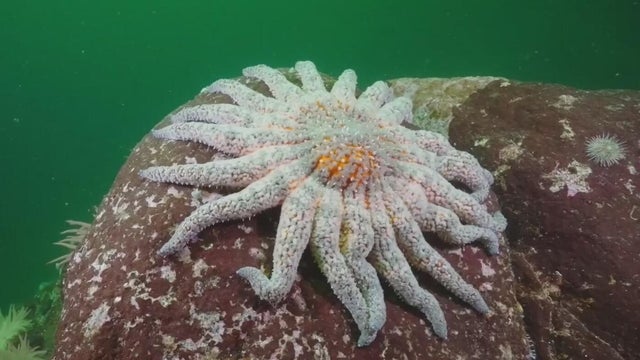
Scientists have determined the cause of an epidemic that has devastated a species of starfish, wiping out billions over the last decade, and a Bay Area team is at the forefront of an effort to restore their population.
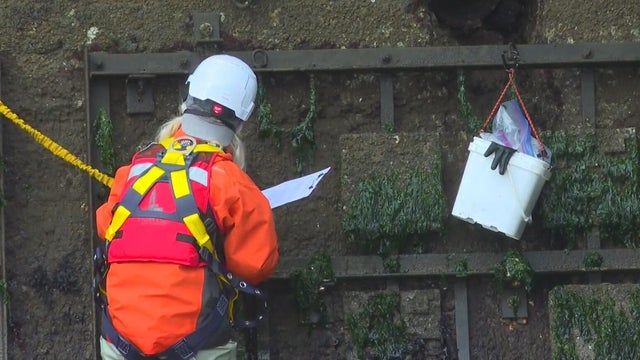
Along San Francisco's Embarcadero, a groundbreaking experiment is revealing promising results.
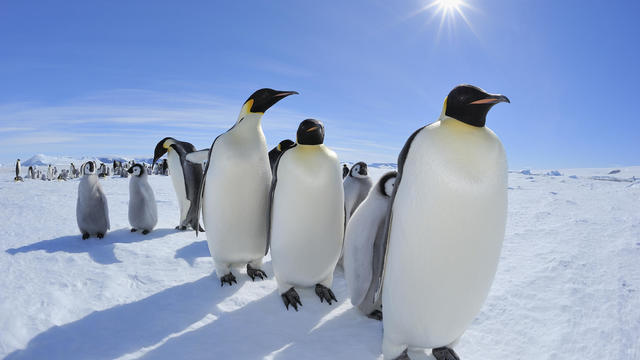
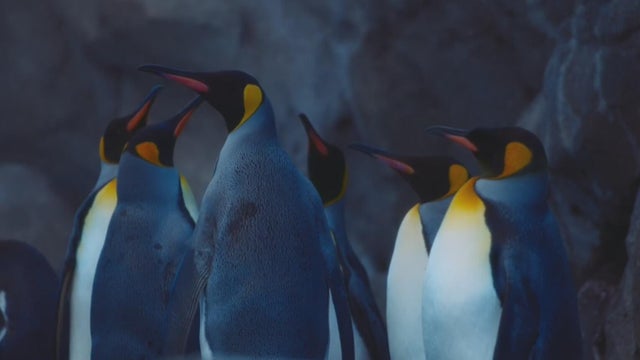
Emperor penguins live in some of the most remote and environmentally pristine regions in the world. But that doesn't mean they're safe from the impacts of a warming planet.
Emperor penguins may live in some of the most remote and environmentally pristine regions in the world, but that doesn't mean they're safe from the impacts of a warming planet.
A push is underway among some members of Congress that could overturn a measure approved by California voters aimed at improving the treatment of farm animals.
Each year in the United States, nearly 5 million adults and children seek medical care for a traumatic brain injury.
The City Nature Challenge began 10 years ago as a friendly competition between two cities: San Francisco and Los Angeles. Today, it's an international event that involves almost 670 cities and metro areas across six continents.
Americans throw away tens of millions of pairs every year. These shoes are not biodegradable. Most end up in landfills, where they contaminate soil and groundwater.
Leading up to the fall of Saigon, for most of April 1975, the U.S. government airlifted nearly 2,600 Vietnamese children to America for adoption. The series of 32 flights was part of "Operation Babylift."
After the fall of Da Nang, and with Saigon under attack, then-President Gerald Ford announced "Operation Babylift" where dozens of flights brought about 26,000 Vietnamese babies and children to the U.S. for adoption.
With great soil, foggy mornings, and cool afternoon winds, Monterey County is the perfect place to grow quality wine grapes. Now, winemakers have a greener way to package their wine.
The San Francisco Embarcadero is full of eye-catching destinations: from Fisherman's Wharf, Pier 39, the Exploratorium, and the iconic Ferry Building to name just a few iconic stops.
Plastic waste is a huge problem, with bags and packaging a major culprit. A Bay Area startup has figured out a way to replace these plastics, with a plant that grows abundantly off the coast.