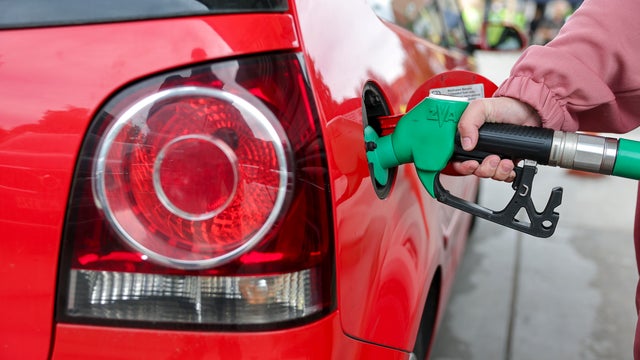
Gas prices could soar if the U.S. bans diesel exports, economists say
President Trump said he is "very seriously" considering a ban on diesel exports. But such a move could drive U.S. gas prices sharply higher, analysts said.
Watch CBS News
President Trump said he is "very seriously" considering a ban on diesel exports. But such a move could drive U.S. gas prices sharply higher, analysts said.
Nvidia said more than 100 organizations are using the platform, which it says could have stopped the Hugging Face hack by OpenAI agents.
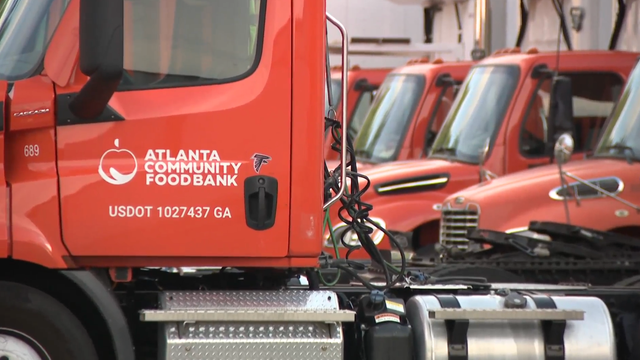
The surge in diesel prices this year is putting a financial squeeze on schools, farms and small businesses around the U.S.
Investors are increasingly nervous about rising inflation, which could require the Federal Reserve to hike interest rates.

Raising payroll taxes enough to stabilize Social Security could add thousands of dollars in annual costs, according to one analysis.
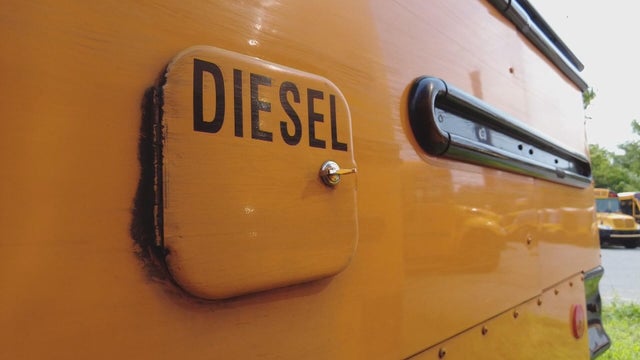
Some lawmakers want to halt U.S. diesel exports as prices top $6.50 a gallon. But such a ban could have unintended consequences, experts say.
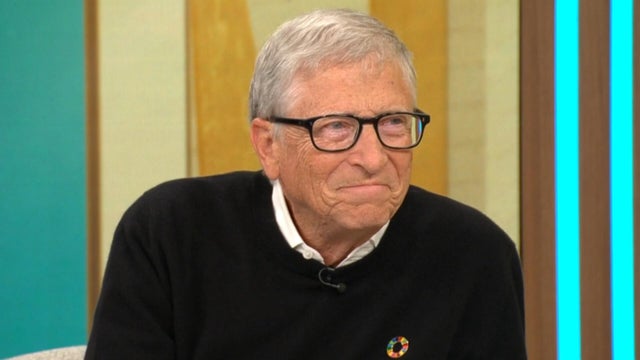
"Most of society is still not aware of how quickly it's moving," Gates said of the latest advances in artificial intelligence.

Predictions that AI could destroy humanity in a few years are irresponsible and not based on science, Nvidia's co-founder told CBS News.
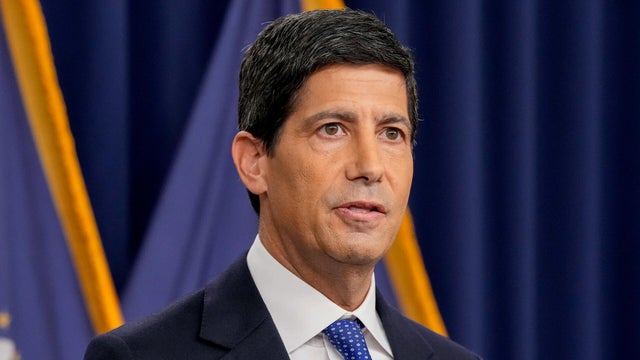
The Fed's first rate hike in more than three years underscores the challenge of taming inflation as the Iran war drags on.

Getting rich in the U.S. is still possible, but the most common path to wealth doesn't involve working for other people, according to a new book.
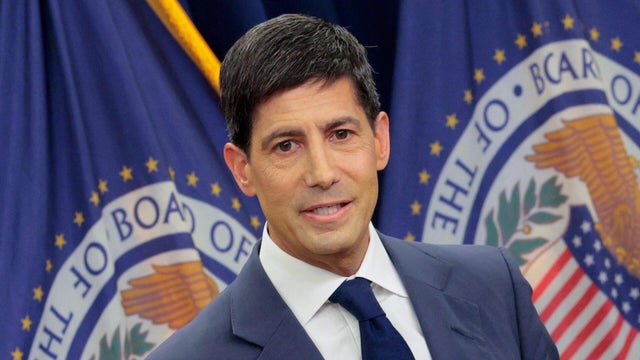
The Fed increased its benchmark rate by 0.25 percentage points to battle resurgent inflation driven by soaring energy prices.

The typical U.S. household's annual earnings have risen only 2.5% since 2019, new data from the Census Bureau shows.

The Federal Reserve is likely to raise borrowing costs on Wednesday, and more hikes could be in store, according to economists.
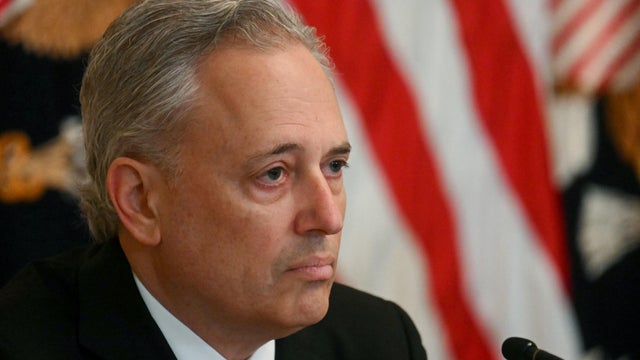
In an interview with CBS News, Sacks suggested that fears AI could harm people are overblown. "I think this is becoming a panic," he said.
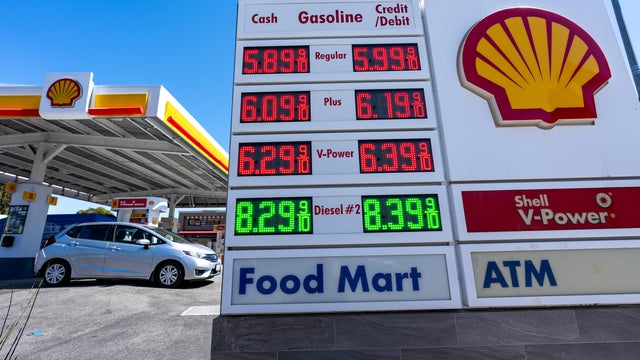
Rising energy costs, persistently high inflation and mounting federal debt are clouding the outlook for the U.S. economy — and Americans' finances.