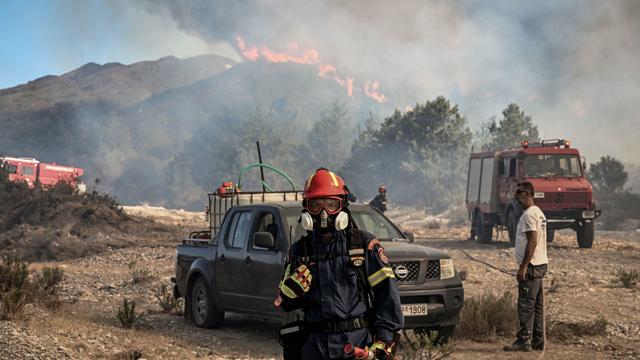
Yet another heat wave fuels fires forcing mass evacuations in Greece
More than 20,000 people have been forced to flee homes and hotels on one Greek island, and the fire danger, along with the heat, is spreading.
Watch CBS News
More than 20,000 people have been forced to flee homes and hotels on one Greek island, and the fire danger, along with the heat, is spreading.
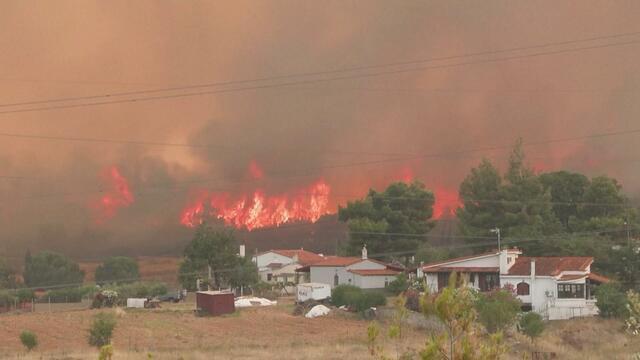
Multiple islands in Greece are facing evacuations as heat has led to a breakout of wildfires. Residents have fled their homes, and thousands of tourists have been evacuated from the islands. BBC News correspondent Jenny Hill reports.
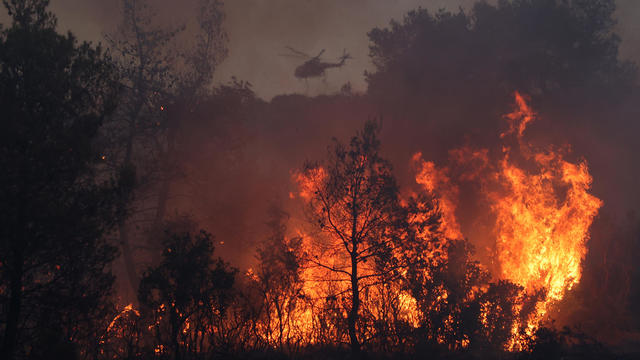
Around 19,000 people have been evacuated from villages and hotels on the Greek island of Rhodes in what authorities have called the largest ever fire evacuation in Greece's history. Firefighters there are trying to contain 82 wildfires across the country. BBC News reporter Azadeh Moshiri has more.
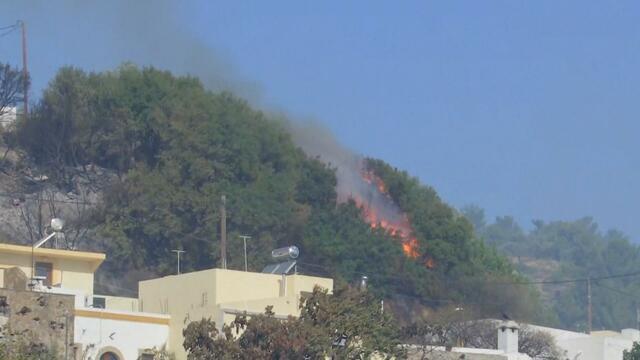
Extreme heat and windy conditions have created the perfect conditions for wildfires to spread in the popular European vacation spot in Greece, the island of Rhodes. Thousands of tourists were forced to evacuate to their hotels. Haley Ott reports.

Phoenix has seen temperatures at 110 degrees or above every single day this month as Italy prepares for "the most intense [heat wave] of all time" – and it's just the start of new "uncharted territory."
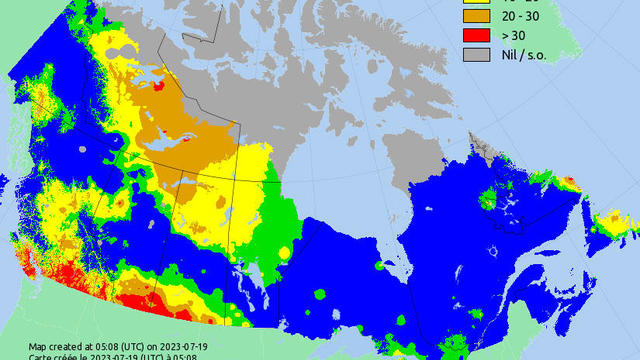
Over 27 million acres of land have burned across Canada since the start of the 2023, marking the country's worst wildfire season on record.
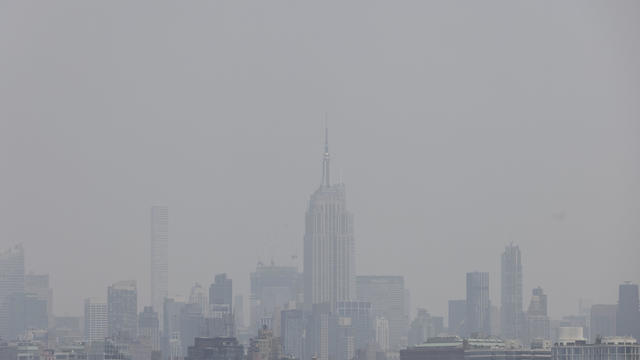
As wildfires rage in eastern Canada, strong winds are pushing thick plumes of smoke over the border and into the United States.
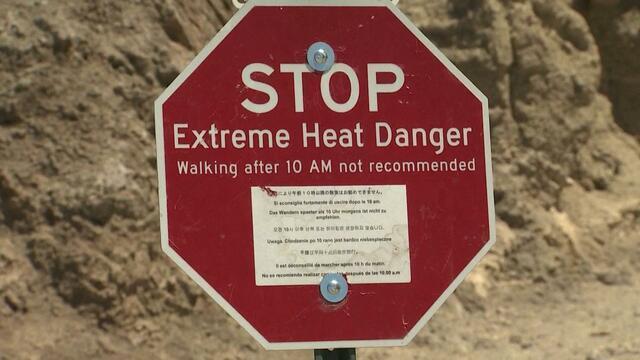
Fire crews in California are working overtime to battle wildfires. Utility workers in other states are working to maintain power grids in several cities. CBS News' Jonathan Vigliotti reports.
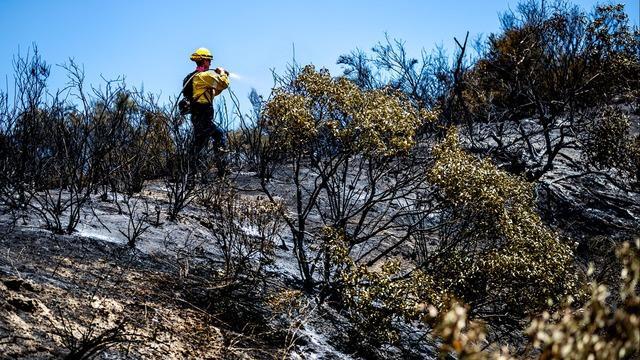
Americans from California to Florida are struggling under scorching heat. And on the West Coast, the extreme weather is fueling wildfires. Jonathan Vigliotti has details from Beaumont, California.
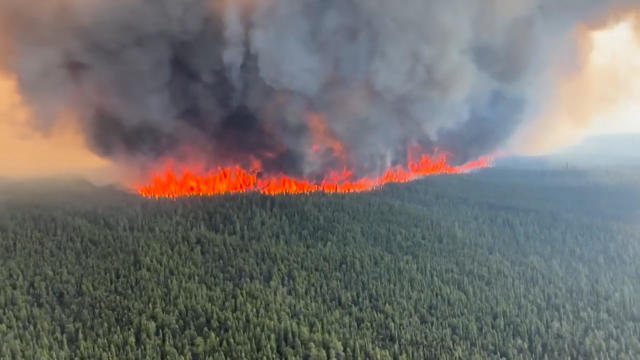
The fires, which are still burning, have brought smoke and hazardous air quality to millions of Americans.
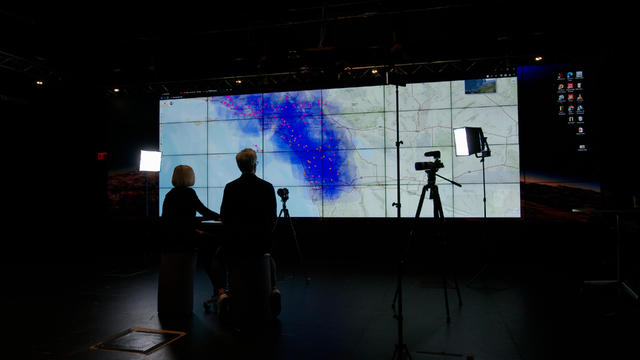
As more people across the country are seeing the impact of wildfires and smoke, scientists are turning to the promise of big data, technology and collaboration to keep big fires from spreading.
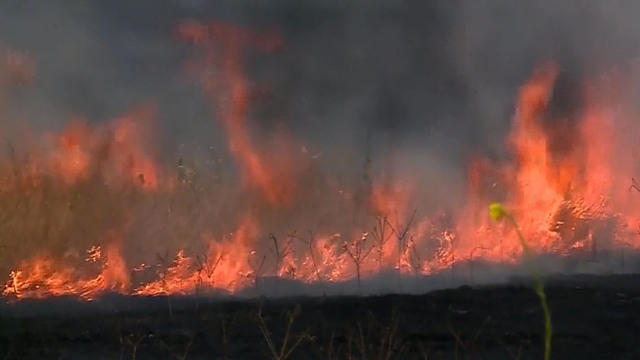
Some states have been dealing with triple-digit temperatures for several weeks. In California, fire crews are preparing for what could be a brutal fire season. Danya Bacchus reports from Hemet, California.
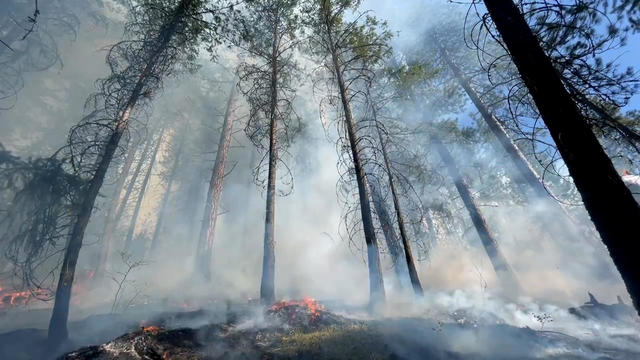
Years of keeping fire out of America's forests led to a buildup of dead trees and brush — fuel for today's larger, hotter, more lethal wildfires.
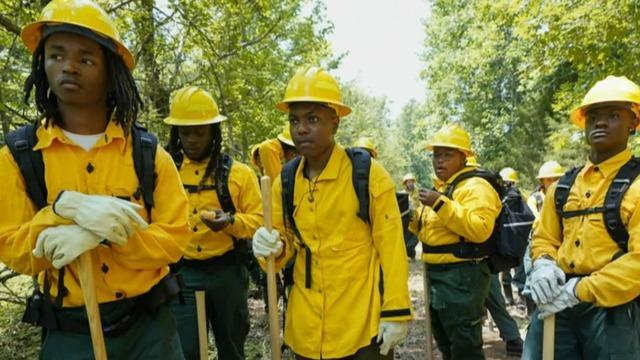
The U.S. Forest Service is partnering with Historically Black Colleges and Universities to fill a growing need for more wildland firefighters. Agricultural and forestry students from HBCUs spend their summers training on wildfire suppression tactics. Stephanie Love, national diversity student programs manager for the USDA Forest Service, joined CBS News to talk about the program.
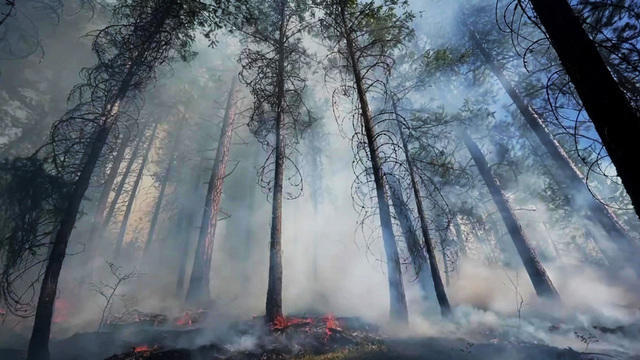
Devastating wildfires are partly a result of a national policy that for many years suppressed fires in America's forests, leading to more dead trees and brush. CBS News environmental correspondent David Schechter reports today’s hotter temperatures, due to climate change, leave the forest highly flammable.
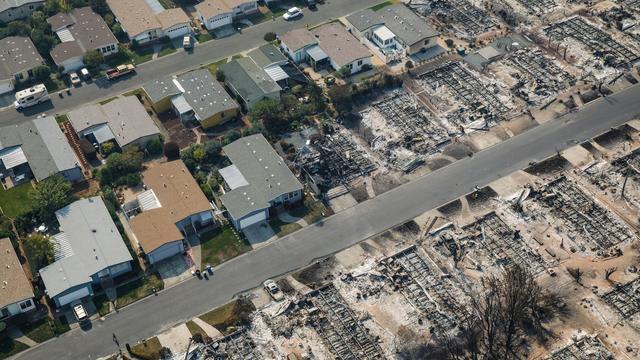
Homebuilders pushing deeper into wildland areas are often blamed for Americans' growing risk of being exposed to wildfires — but that's not the full story.

Salt Lake City kicked off the city's Fourth of July weekend with its drone show instead of a fireworks display on Saturday.

Tens of millions of Americans who will be traveling for the Fourth of July holiday weekend may be forced to contend with poor air quality caused by smoke that has drifted into the U.S. from the Canadian wildfires, while the South is also forecast to experience scorching heat. Kris Van Cleave has more.
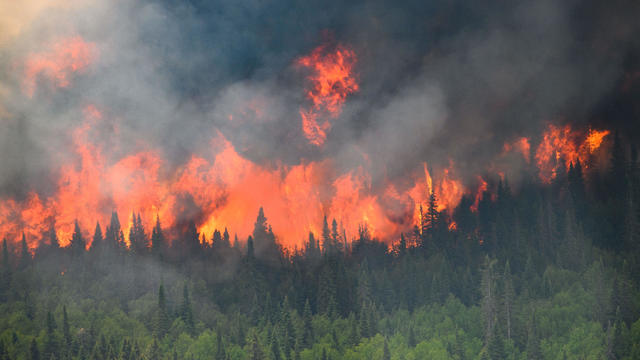
Wildfires in Canada have been raging for weeks and there are 500 fires burning in the country, the vast majority uncontrolled.
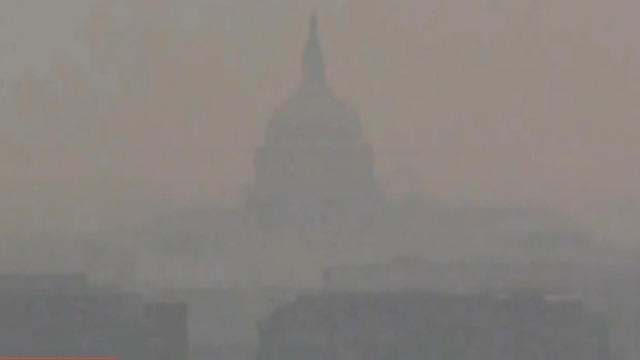
Nearly one-third of the U.S. population is being impacted by smoke from hundreds of wildfires burning across Canada. Scott MacFarlane has the latest.

More than a dozen people across Texas and Louisiana have suffered heat-related deaths in recent days, as extreme temperatures are forecast to continue. And smoke from Canada's wildfires is drifting south to the U.S. again. Michelle Miller has the latest from New Orleans.
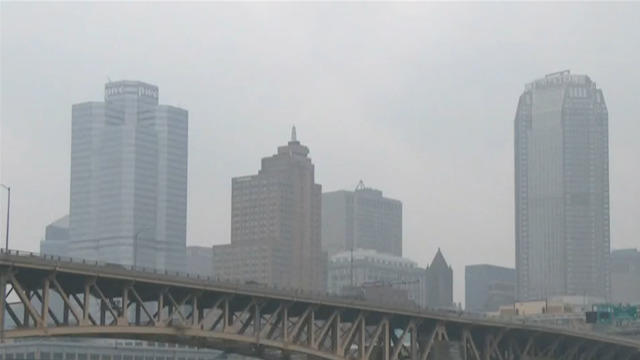
Large portions of the Midwest and Northeast are dealing with unhealthy air conditions due to smoke from hundreds of wildfires burning across Canada. Adriana Diaz has the latest.

Smoke from Canadian wildfires is sweeping across the border again, affecting more than 80 million people in the U.S. The below-average air quality conditions have prompted beach closures as well as calls to stay indoors. Andrew Ramos from Chicago's CBS2 reports.
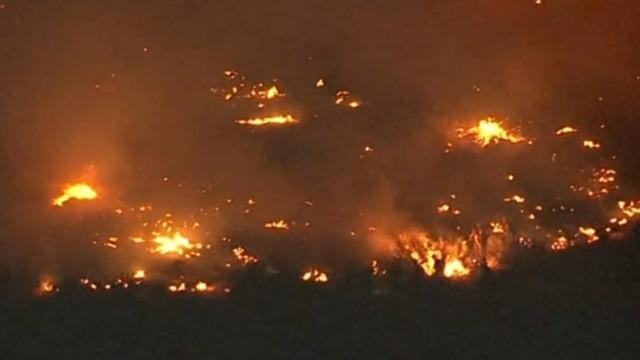
A fast-moving brushfire in Arizona is forcing more than 1,100 people to evacuate their homes in northern Scottsdale. The Diamond Fire has already burned nearly 4 square miles, but so far, no homes have been destroyed and no injuries have been reported. Gibby Parra, from Phoenix CBS affiliate KPHO, has more.
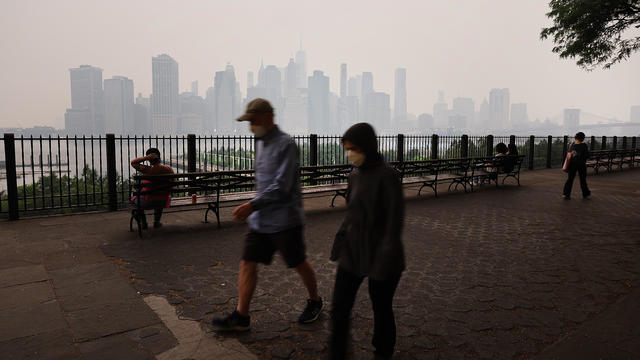
Here's what to know about the health effects of wildfire smoke as it continues to infiltrate the U.S.