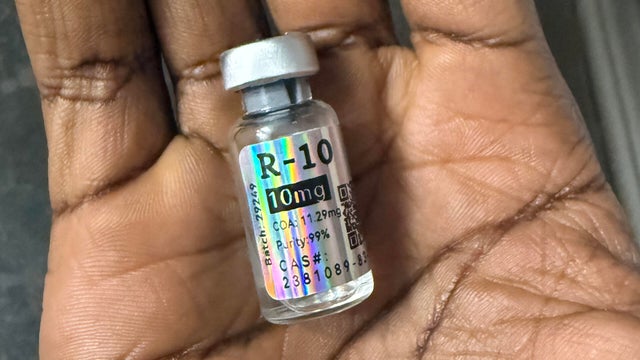
How an experimental weight-loss drug is being openly promoted by physicians
Doctors are jumping the gun to prescribe a medication lacking FDA approval that has gone viral on social media. "Why are we waiting?" one physician asked.
Watch CBS News
Doctors are jumping the gun to prescribe a medication lacking FDA approval that has gone viral on social media. "Why are we waiting?" one physician asked.
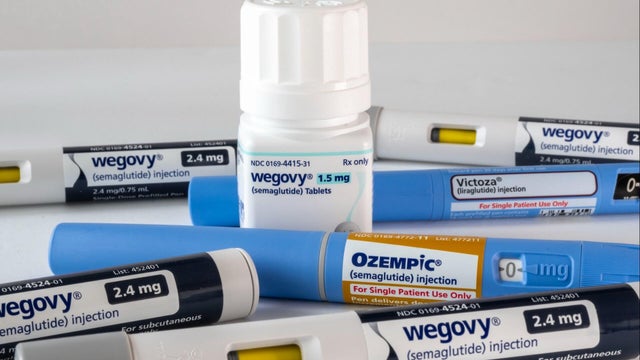
Researchers from Penn Medicine found women taking GLP-1 drugs are less likely to be diagnosed with breast cancer. Dr. Celine Gounder breaks down the study's findings and if the drugs caused the difference.
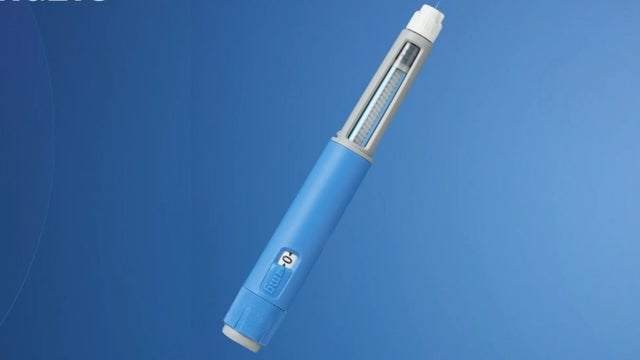
A new weight-loss drug, so new it is not on the market yet, is showing promising results in trials, doing much more than what current medications can. Dr. Jon LaPook breaks it down.
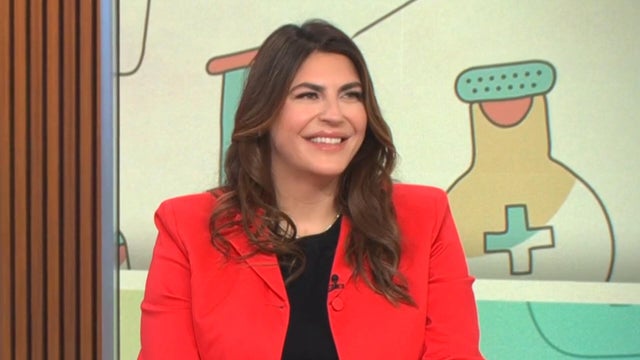
Outspoken body acceptance advocate Katie Sturino, who is the founder of Megababe Beauty, explains why it was a difficult decision for her to start taking weight loss drugs. She's joined by psychiatrist Dr. Sue Varma who breaks down what people should do before taking a GLP-1 and the impact of societal pressure.

The FDA has approved a pill from Eli Lilly that could change how millions of Americans take medications to lose weight. The drug is the second GLP-1 pill approved by federal regulators for weight loss and the first that doesn't require fasting or meal timing. Dr. Celine Gounder breaks down what to know about accessibility and cost.
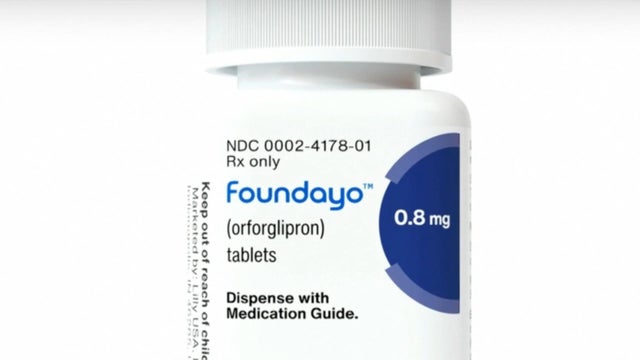
The FDA approved a new GLP-1 drug from Eli Lilly. Dr. Jon LaPook breaks it down.

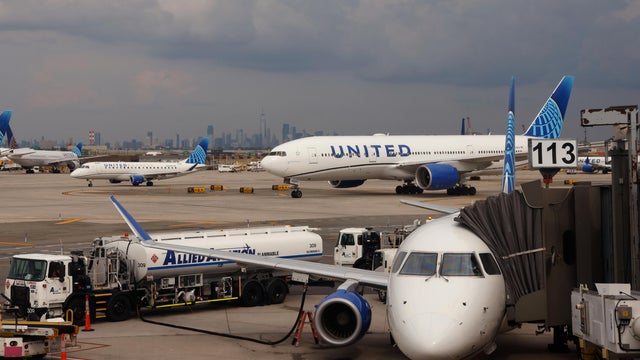
As obesity rates among Americans drop and weight loss drugs lead to a slimmer society, airlines could save on fuel costs, according to a recent analysis.

For years, she seemed powerless against a fluctuating weight problem, until new medications, and a new attitude, gave Oprah Winfrey a breakthrough. She talks with Jane Pauley about "Enough," a new book co-written with Dr. Ania Jastreboff, about her weight-loss success.

The media superstar, who has struggled with weight for much of her life, and a Yale School of Medicine doctor team up for a book that examines the biology of obesity, offering a new way forward.

Oprah Winfrey is one of the best-known, most-admired and successful people on the planet. But for years she seemed powerless to conquer her fluctuating weight problem … until new medications, and a new attitude about her weight, gave her a breakthrough, which she describes in "Enough," a new book she has co-written with Dr. Ania Jastreboff. They talk with Jane Pauley about an individual's genetically-influenced weight range, and how to reset it. Winfrey also relates the long road she traveled since she began her TV career in Nashville, facing sexism, racism, and comments about her weight.

Popular weight loss drugs like GLP-1 injections are helping millions of people lose pounds. But a new study shows that stopping these medications can cause the weight to rapidly come back and reverse positive health effects. CBS News medical contributor Dr. Céline Gounder has more.

New research suggests that after stopping the use of weight loss drugs, weight regain is almost four times faster compared to after traditional diet and physical exercise programs. CBS News medical contributor Dr. Celine Gounder explains what the study found.
FDA-approved semaglutide drug is the first GLP-1 pill for weight loss available in the U.S., according to drugmaker Novo Nordisk.

The FDA has approved the first GLP-1 pill for weight loss and it's expected in pharmacies in the coming weeks. Dr. Holly Lofton, director of the Medical Weight Management Program at NYU Langone, joins CBS News to discuss.
The Food and Drug Administration has approved a pill version of the weight-loss drug Wegovy.

The FDA has approved the pill version of the weight loss drug Wegovy, the first oral medication of its kind. The new pills are expected to be available in a few weeks. Chief medical correspondent Dr. Jon LaPook has more.

The rise in the use of GLP-1 weight-loss drugs across the U.S. is shifting not only scales, but also how Americans are spending their time and money. Washington Post retail reporter Jaclyn Peiser explains.

A recent KFF poll revealed that one in eight adults in the U.S. is currently taking a GLP-1 weight loss drug. As more people start using them, some are talking about the unexpected side effects, including muscle loss and weakness. Senior Vox correspondent Dylan Scott joins CBS News to share what patients told him.

A clinical study into weight loss drugs for pets just launched, with results from the trial expected by next summer.
Experts say roughly six in 10 cats in the U.S. are carrying too much weight. A new clinical trial, "MEOW-1," could change that, testing to see if GLP-1 weight loss drugs can be used on pets. Ash-har Quraishi reports.

Weight loss drugs for Americans have skyrocketed to success. Now, the GLP-1 frenzy could be heading to a new frontier: your pets. A San Francisco biopharmaceutical company says it is conducting a pilot study on a GLP-1 drug for cats with obesity. Okava CEO Michael Klotsman joins CBS News to discuss.

President Trump announced a deal on Thursday that will lower the cost of some weight loss drugs for certain eligible Americans. CBS News medical contributor Dr. Celine Gounder explains the details of the deal and how much Americans can expect to pay.

The deal, with Eli Lilly and Novo Nordisk, is expected to lower the price of obesity drugs to between $149 and $350 per month in some cases, officials said.

President Trump announced a deal with Eli Lilly and Novo Nordisk on Thursday to lower the cost of their weight loss drugs for some Americans. Dr. Holly Lofton, NYU Langone Medical's weight management program director, joins "The Daily Report" to discuss.

President Trump on Thursday unveiled agreements slashing the prices of two pharmaceutical companies' weight loss drugs. Novo Nordisk CEO Mike Doustdar joins "The Takeout" to unpack the cost-cutting effort.