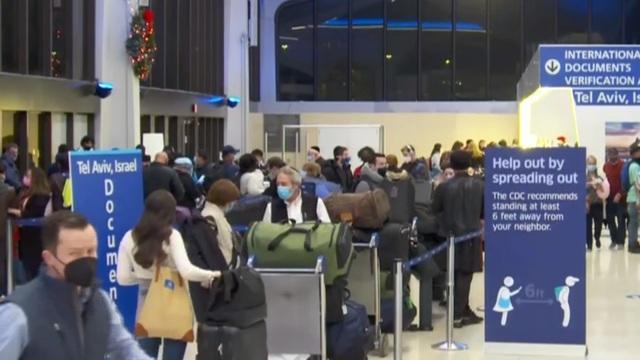
U.S. yet to decide on U.K. travel ban
While some nations ban travel to and from the U.K. because of a new strain of COVID, U.S. airports are busier than any other time during the pandemic. Mola Lenghi reports.
Watch CBS News
While some nations ban travel to and from the U.K. because of a new strain of COVID, U.S. airports are busier than any other time during the pandemic. Mola Lenghi reports.

British Prime Minister Boris Johnson is imposing new stay-at-home orders ahead of Christmas now that a new coronavirus strain has been found spreading in the country. Many other nations are imposing travel bans on the U.K. in an attempt to keep the strain out. CBS News correspondent Ian Lee joins CBSN from London with more on the situation.
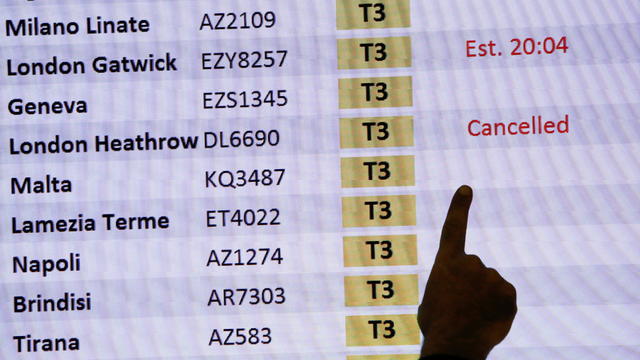
Many in Europe, along with Canada, Hong Kong, Israel and others going that route, and New York's governor calling for U.S. to do same.

In Britain, a coronavirus mutation that could be up to 70% more infectious has prompted Prime Minister Boris Johnson to impose a strict lockdown in London. More than 30 countries are putting restrictions on travelers from the U.K. CBS News correspondent Imtiaz Tyab joins CBSN to discuss the new measures.
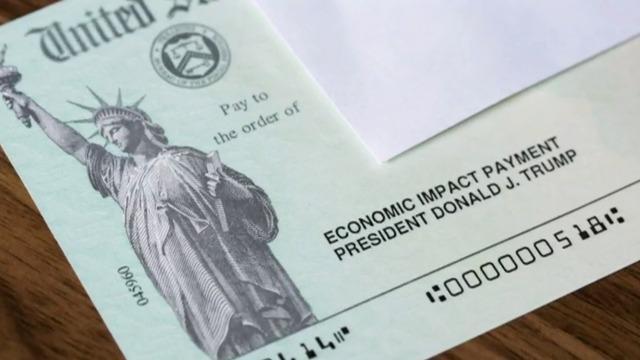
Republicans and Democrats have agreed on a pandemic relief bill. Plus: A new, more contagious strain of COVID-19 has prompted a lockdown in the U.K. All that and all that mattes in today's Eye Opener. Your world in 90 seconds.
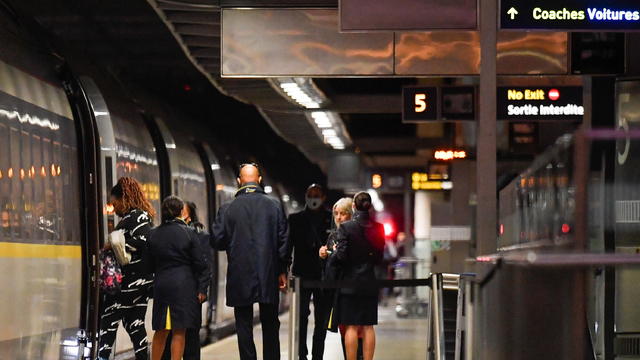
At least six European countries have said flights will cease — if they haven't already — while France and Belgium have also banned train travel.
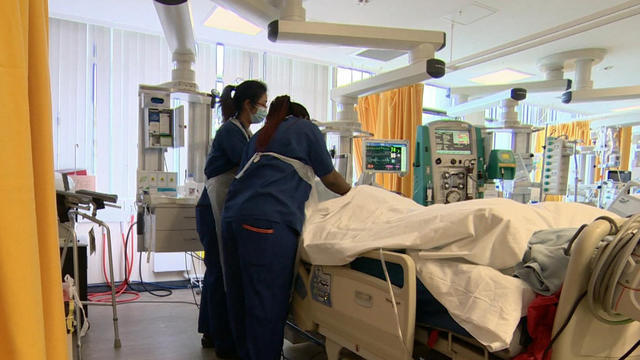
The British government has warned that a new strain of the coronavirus is "out of control." In response, several European countries are now restricting travel to the U.K. Elizabeth Palmer reports.
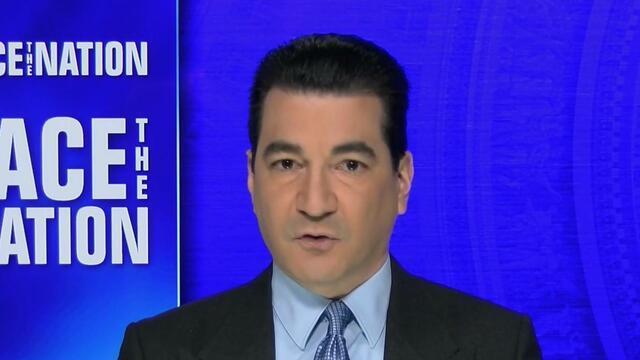
Former FDA commissioner Scott Gottlieb says the new coronavirus strain spreading in Europe is probably not more lethal than others, but that early data shows it’s easier to transmit.
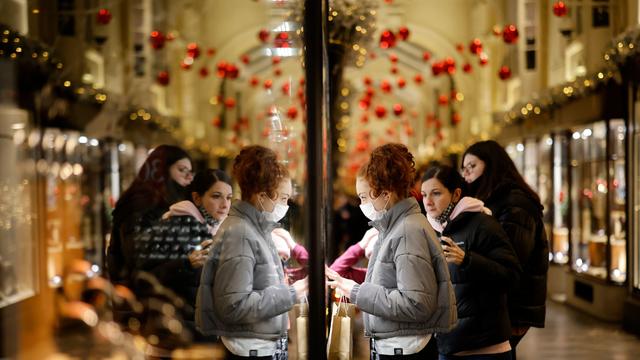
"It is with a very heavy heart that I must tell you we cannot proceed with Christmas as planned," said British Prime Minister Boris Johnson.
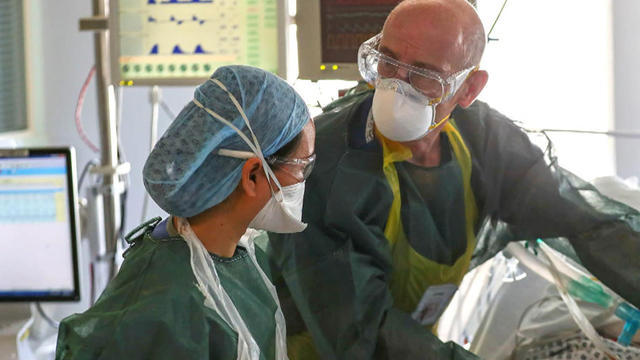
A New York Times investigation revealed that $11 billion of U.K. pandemic funding went to businesses with owners close to the country's ruling Conservative Party. Fourteen suspects have been found guilty in the 2015 Paris terror attacks. The ICC says crimes against humanity have occurred in the Philippines under President Duterte's rule.. CBS News foreign correspondent Ian Lee joins CBSN AM with today's global headlines.

Ella Kissi-Debrah is the first person in the U.K. to have air pollution listed as a contributing factor in their death by a coroner. Her mother hopes it will bring change around the world.

European Commission President Ursula von der Leyen says a trade deal between the E.U. and U.K. is closer than ever. CBS News senior foreign correspondent Elizabeth Palmer joins CBSN to break down what the outstanding issues are and what could happen if there is no agreement.
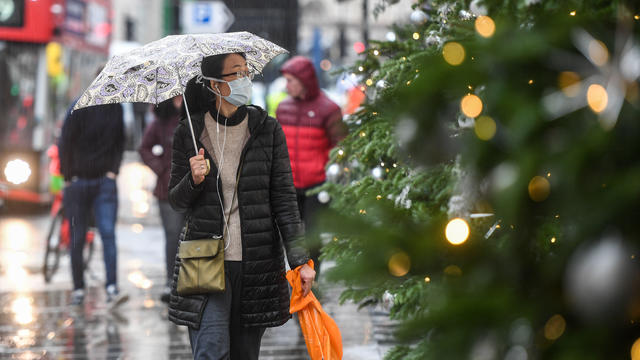
Restrictions vary among nations, but the trend is for a very quiet holiday as U.K. government is urged to abandon "rash" plan to allow household mixing.
The government called it a "landmark change" and the guidelines go into effect next summer.
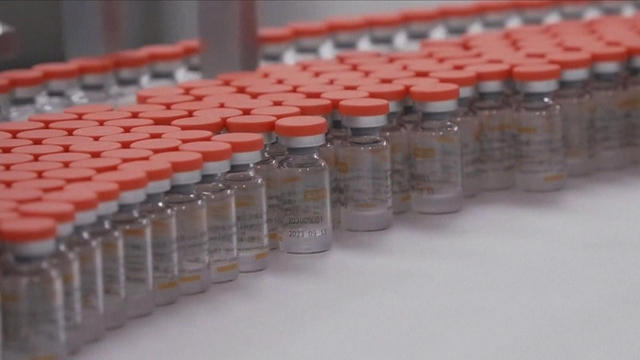
Vaccinations have already begun in the U.K. for nearly a week as 400,000 elderly people and frontline medical staff were vaccinated first. Elizabeth Palmer reports.
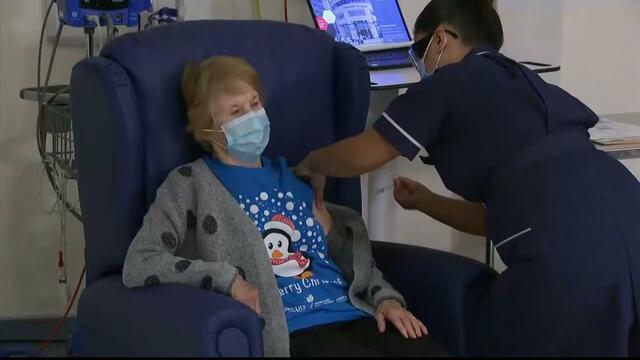
CBS News senior foreign correspondent Elizabeth Palmer reports from London on the global toll of the coronavirus pandemic and the latest on the vaccine in the U.K.
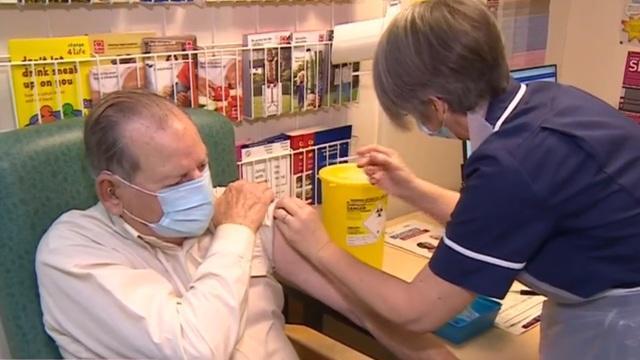
England's National Health Service is urging people with a history of severe allergies that they should not get the Pfizer coronavirus vaccine following two health care workers who had allergic reactions after receiving the shot. Nikki Battiste has the details.
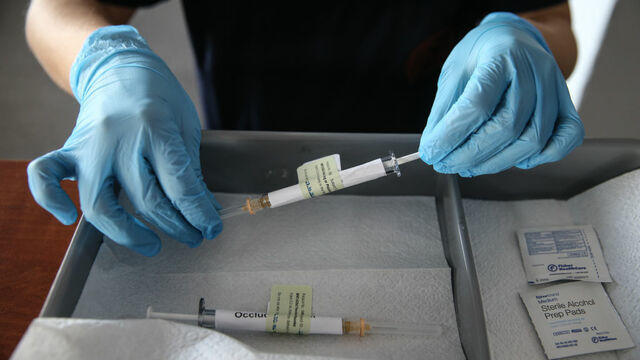
The U.S. recorded its deadliest week of the pandemic since April when more than 15,000 people died as a result of the virus last week, pushing the total number of coronavirus-related deaths past 283,000. CBS News correspondent Debra Alfarone joins CBSN AM to discuss when the country may expect a rollout of a vaccine.
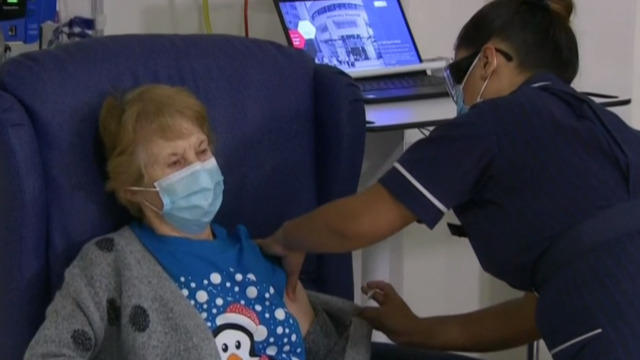
Margaret Keenan, a 90-year-old grandmother in the U.K., has become the first person in the world to receive a clinically-approved coronavirus vaccine. Charlie D'Agata reports.
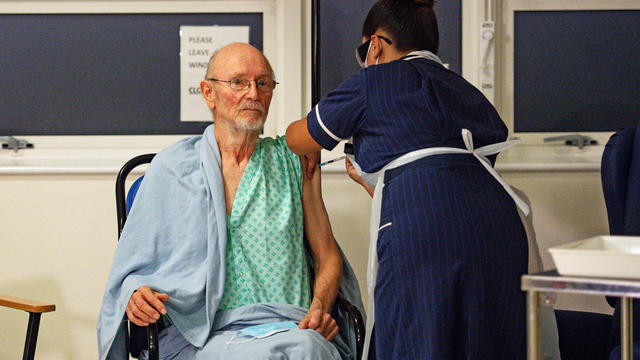
"If Margaret Keenan is patient 1A for the vaccine, would William Shakespeare be 2B, or not 2B ..." one Twitter user wrote.
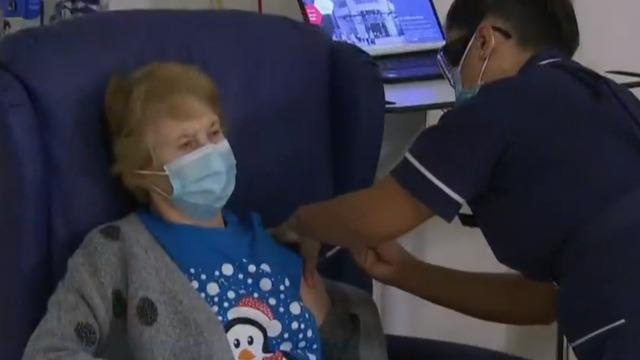
The British are the first to receive the Pfizer COVID-19 vaccine in a mass distribution program. The first round of vaccinations took place across the United Kingdom Tuesday. Charlie D'Agata reports.
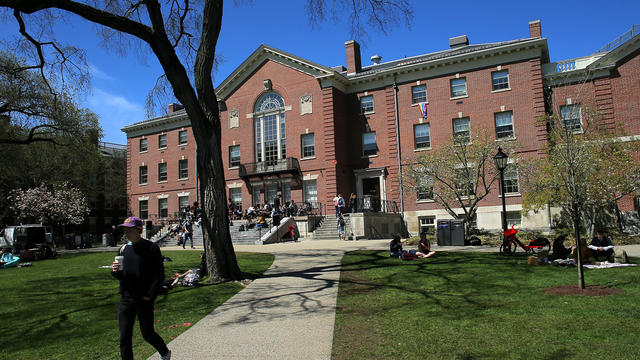
"Together we will amplify the demands of campus survivors until their voices no longer fall upon deaf ears," activist says.
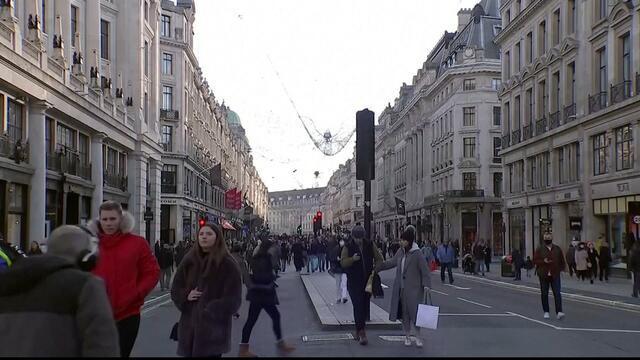
CBS News senior foreign correspondent Elizabeth Palmer reports from London on the global toll of the coronavirus pandemic and preparations for a vaccine in the U.K.
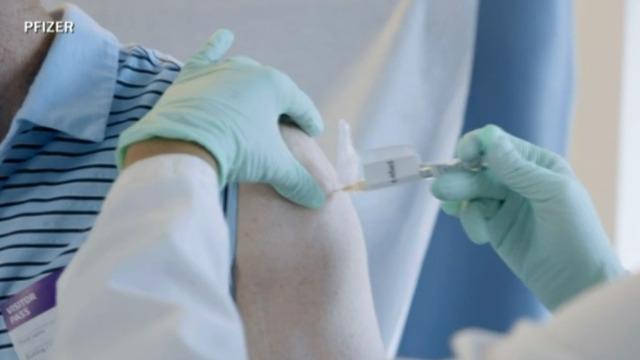
Hospitals and health care workers across the U.S. are being stretched this as the daily death toll from COVID-19 keeps climbing. CBS News correspondent Adriana Diaz reports on nationwide efforts to fight the surge, and Dr. Bob Lahita, chairman of medicine at St. Joseph University Hospital, joined CBSN to discuss how the rollout of the vaccine will work at medical centers across the U.S.
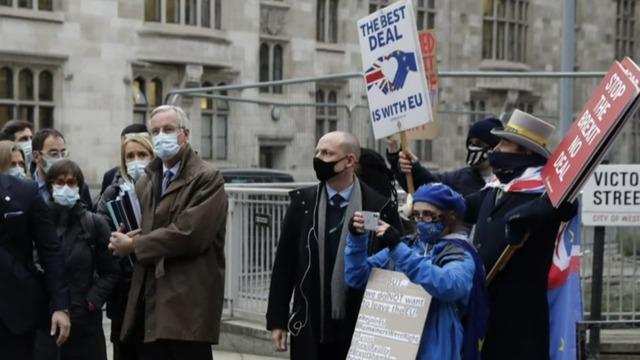
Britain and the European Union are pushing each other to compromise on issues like fishing as they get closer to Brexit. In France, authorities have started investigations into dozens of mosques suspected of links to extremism. Despite protest from human rights activists, Bangladesh has moved Rohingya refugees to an isolated island. And hundred of London taxi drivers are returning their rented black cabs as the pandemic affects the economy. CBS News foreign correspondent Roxana Saberi joins CBSN AM with headlines from around the world.