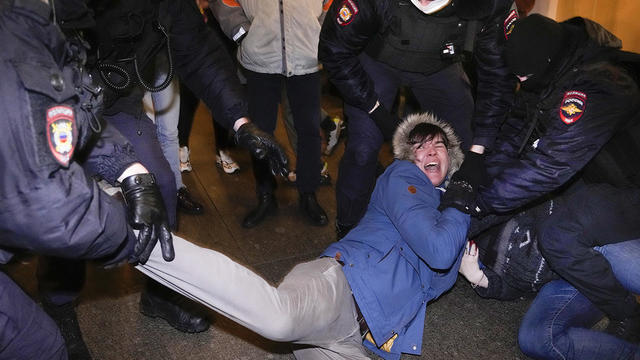
Protesters in Russia risk arrest to speak out against Putin's war
Since the invasion of Ukraine was launched, more than 13,000 Russians protesting in the streets have been arrested – part of the Kremlin's efforts to eradicate dissent.
Watch CBS News
Since the invasion of Ukraine was launched, more than 13,000 Russians protesting in the streets have been arrested – part of the Kremlin's efforts to eradicate dissent.
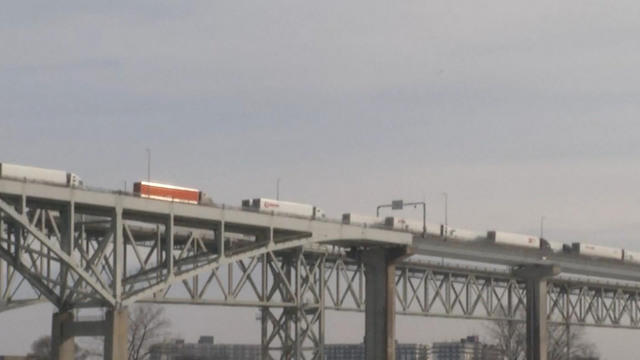
Truck convoys are making their way to D.C. to protest mandates restricting entrance into the U.S. and rising gas prices. The National Guard will be brought in to help with potential disruptions. Scott MacFarlane has more on the looming trucker protest.
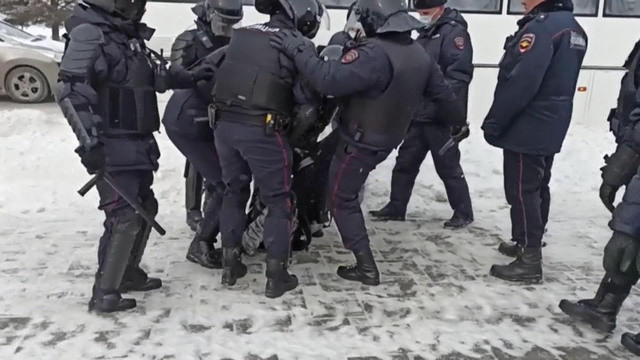
Across the globe, anti-war protesters filled streets and squares denouncing Russia's invasion into Ukraine. “CBS Mornings” co-host Tony Dokoupil reports.
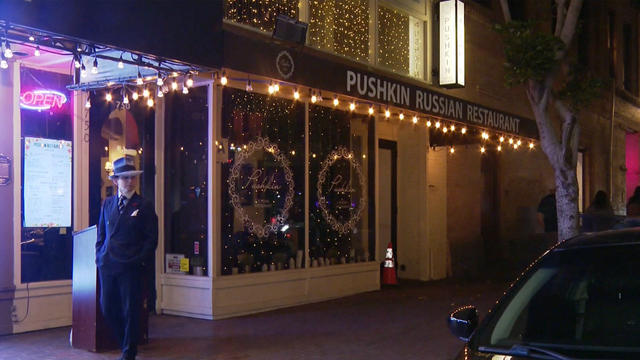
Across the U.S., people are showing their support for Ukraine. But some of that support has turned to hostility against businesses like Russian restaurants, some of which even have Ukrainian staff and owners. Michael George reports.
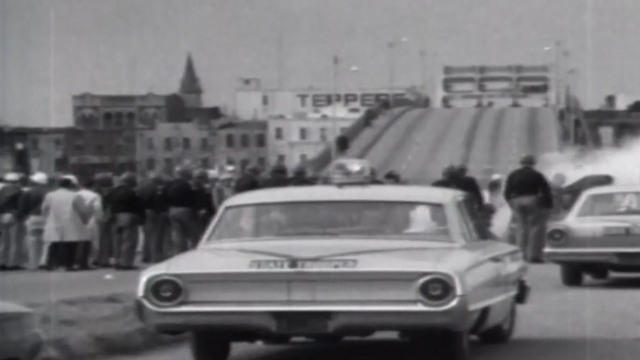
Monday marks 57 years since "Bloody Sunday," when approximately 600 people were attacked by state and local police while marching peacefully in Alabama to demand an end to discrimination in voter registration laws. CBS News political contributor and Democratic strategist Antjuan Seawright joins CBS News' Lana Zak to discuss the significance of that day as well as its relation to voting rights legislation currently in congressional limbo.
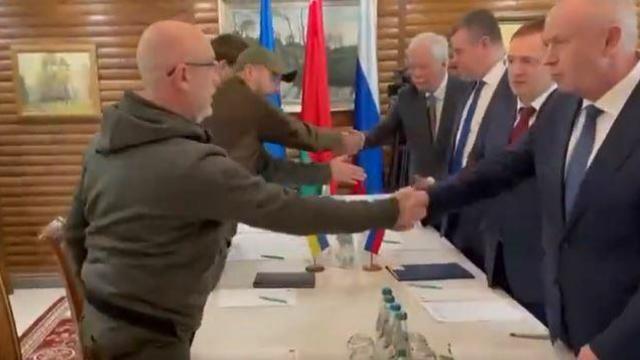
Delegations from Russia and Ukraine met for the second time Thursday in Belarus. Like earlier talks, no breakthrough towards peace was made. CBS News reporter Mary Ilyushina joins us from Moscow with more on the meeting and how the Russian people are responding to the war.
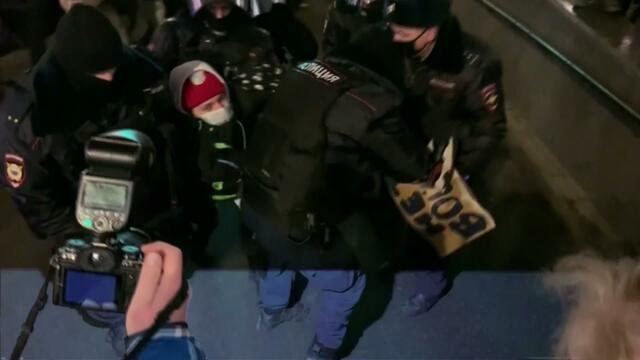
Observers say more than 5,000 demonstrators have been arrested in Russia since President Vladimir Putin ordered troops to invade Ukraine last week.
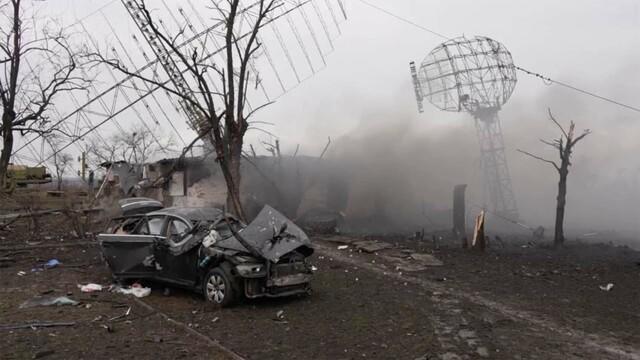
As Ukrainians in Russia watch from afar as their native country, and in many cases their families, come under attack, they say they face a difficult choice: be silent, or face persecution.

New York Times columnist Charles Blow reflects on the 2012 killing of 17-year-old Trayvon Martin, and how – like the 1955 lynching of 14-year-old Emmett Till – it inspired protest movements led by mothers with tears on their cheeks but steel in their spines.

Police said protesters remained "aggressive and assaultive" and that pepper spray had been used to protect officers.
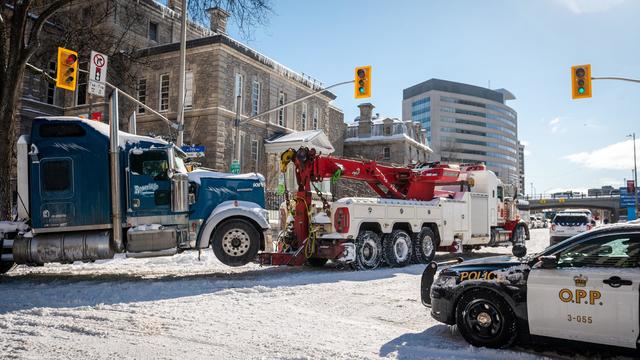
After a three-week, traffic-snarling siege of Ottawa, police have moved in to arrest protesters angry over the COVID-19 restrictions and tow away trucks.
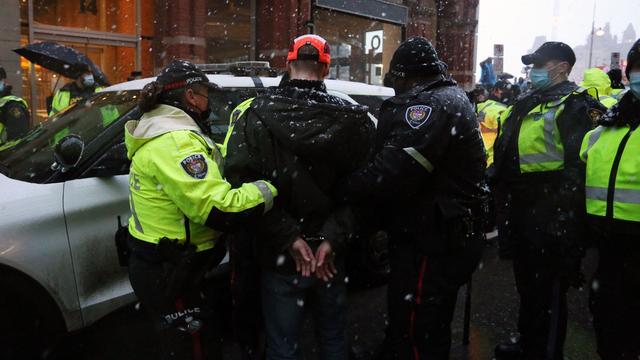
Police arrested organizers Tamara Lich and Chris Barber around Parliament Hill in Ottawa.
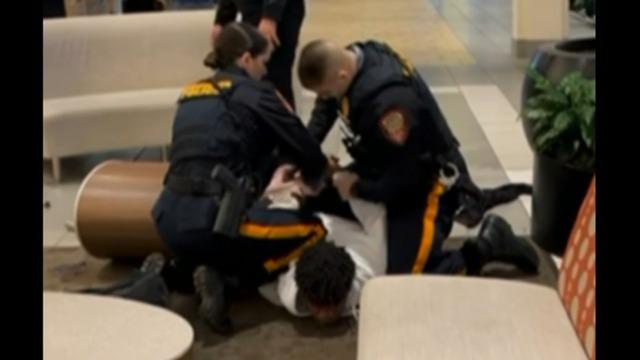
The police response to a fight at a New Jersey mall has sparked outrage after a Black teenager was handcuffed and pinned to the ground while another teenager was allowed to sit on a couch. Both teenagers are speaking out. Jericka Duncan reports.

"These blockades are illegal, and if you are still participating, the time to go home is now," he declared.
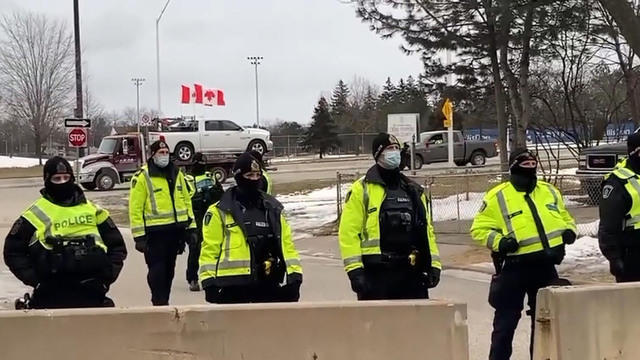
The busiest trade corridor between the United States and Canada reopened late Sunday after demonstrators protesting against vaccine mandates in Canada forced its closure for nearly a week. CBS News' Tanya Rivero discusses the economic ramifications of the closure and the emergence of similar demonstrations around the globe with reporter Cryss Walker of CBS Detroit station WWJ.
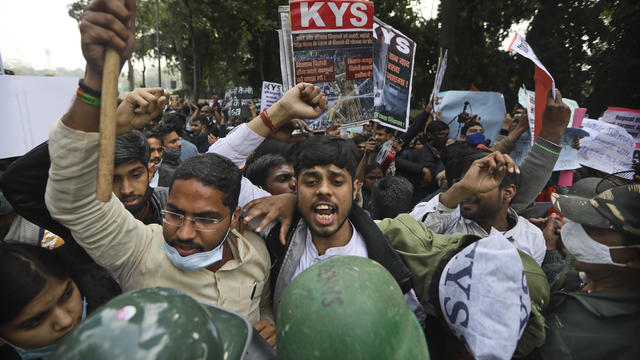
The government in New Delhi has dismisses celebrity interjections into a months-long standoff as "sensationalist social media hashtags."