2023 was brutal for homebuyers. Here's what to expect in 2024.
Mortgage rates recently hit their highest levels in more than two decades, pricing many out of the market. Here's what to expect in 2024.
Watch CBS News
Mortgage rates recently hit their highest levels in more than two decades, pricing many out of the market. Here's what to expect in 2024.
"Even places that historically have been affordable now need six figures," according to Redfin's chief economist.
Many homeowners are struggling to keep up with their mortgage payments amid rising costs and high inflation. Here's how to catch up.
Deciding on an adjustable-rate mortgage boils down to how long you plan to own a property and if your income is stable.
With mortgage rates topping 8%, some home buyers are hoping to see some relief with the Federal Reserve's next decision.
Buying a home is now 52% more expensive than renting, a financial gap that is larger than during the 2006 housing bubble.
The average rate for a 30-year home loan crossed the 8% threshold this week, deepening the affordability crisis for homebuyers.
The climbing interest rates may be keeping prospective home buyers from moving from places they may not necessarily want to live in. Felix Salmon, chief financial correspondent for Axios, joins CBS News with more.
The lack of housing supply in the United States is related to the ongoing spikes in interest rates. Mark Hamrick, a senior economic analyst for Bankrate, joins CBS News to explain the mortgage "lock-in effect," which may be keeping homes off the market.
The average interest rate on a typical mortgage is now 7.49%, worsening the nation's housing affordability crunch.
Existing home sales fell almost 1% in August and were down about 15% over the past year, according to new data from the National Association of Realtors. Aarthi Swaminathan, personal finance reporter for MarketWatch, joined CBS News to discuss the numbers.
With mortgage rates hovering above 7% for five straight weeks, prospective buyers are facing a housing shortage as would-be sellers seek to keep their low, locked-in rates. Nancy Chen has details.
Although some Wall Street analysts think mortgage rates may have peaked, they don't expect a sharp drop in home loan costs.
For decades, one of the draws to moving to the suburbs included renting a place for less than what you'd find in the city. But that may not be the case for much longer as the gap between the two is steadily shrinking.
Interest rates for a home loan are continuing to soar, driving many aspiring property owners out of the market.
Fed signaled it might raise its benchmark rate before year's end, which may catapult mortgage rates even higher.
A couple of factors are at play in the rising rates which continue to remain steep despite fluctuations.
In its ongoing effort to tamp down inflation, the Federal Reserve on Wednesday raised its key interest rate a quarter-point to 5.5%, the highest level it has been in 22 years. Carter Evans examines the impact of the Fed's rate hikes.
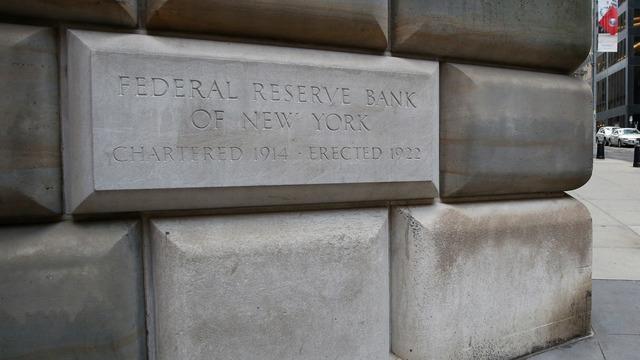
More and more Americans are seeing their loan applications rejected. The Federal Reserve Bank of New York reported that rejection rates are up for many loans -- including mortgages, auto loans and credit cards. John Vivian, senior director of finance consulting firm Potomac Global Partners, joins CBS News to help make sense of the lending landscape.
Some real estate experts say that in the current financial climate, renting a home in the U.S. may be more financially responsible than buying one, due to a variety of factors, including mortgage rates and maintenance costs. Carter Evans has details.
Potential homebuyers need to consider the total cost of a home, including mortgage rates, property insurance, property taxes and maintenance.
Record-high mortgage rates have made buying a new home unaffordable for many people. But some real estate agents are trying to lock in lower rates with mortgage transfers. Daryl Fairweather, chief economist for Redfin real estate brokerage, joins CBS News discuss.
In Northern California, home prices jumped during the pandemic. Since then, the region has seen some of the steepest price declines in the country.
After 10 straight interest-rate hikes, borrowers face sharply higher costs for credit cards, mortgages and other loans.
Home buyers in many U.S. coastal areas are facing a competitive real estate market, in part thanks to a spiking interest rate. Buyers are being advised to prepare to settle, bring cash offers and close quickly. Carter Evans and Mark Strassman report.