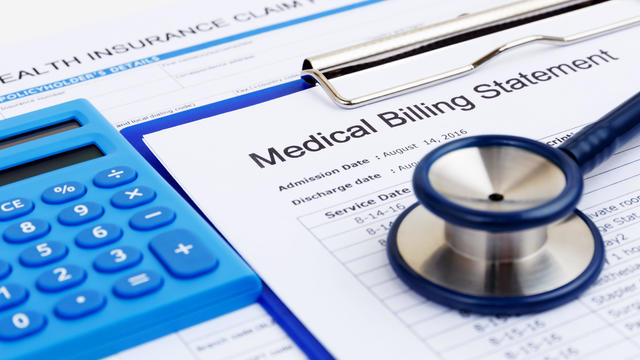
Workers are paying 7% more this year for employer health care plans
Rise in premiums comes as mergers in health care industry have diminished incentives for insurers to price plans competitively.
Watch CBS News
Rise in premiums comes as mergers in health care industry have diminished incentives for insurers to price plans competitively.

About 75,000 Kaiser Permanente workers launched a strike on Wednesday at hospitals and medical centers across five states and Washington, D.C., the largest walkout by health care workers in U.S. history. Tina Reed, a senior health care reporter for Axios, joins CBS News as the strike threatens to disrupt medical services for almost 13 million people.
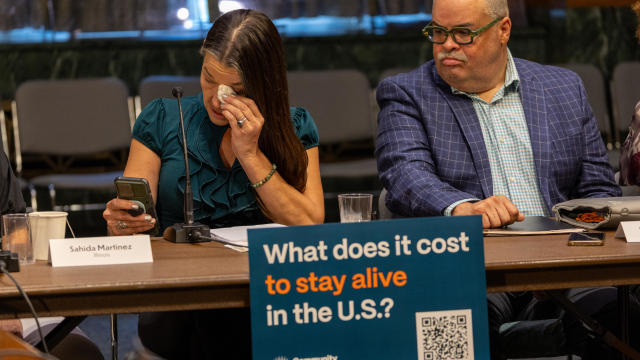
The White House said the Consumer Financial Protection Bureau will develop new regulations that would prevent unpaid medical bills from being counted on credit reports.

More Americans are turning to medical credit cards as they struggle to pay for medical bills, according to a new survey from the Consumer Financial Protection Bureau. CBS News MoneyWatch associate managing editor Aimee Picchi explains how the cards could impact your credit.

These credit cards are offered at health care offices to pay for services, but they come with some serious downsides, experts say.
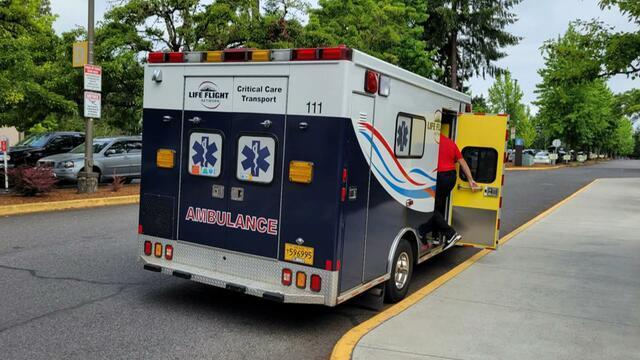
Americans are protected from most surprise medical bills by the No Surprises Act that took effect last year. But there's one key item the legislation left out.
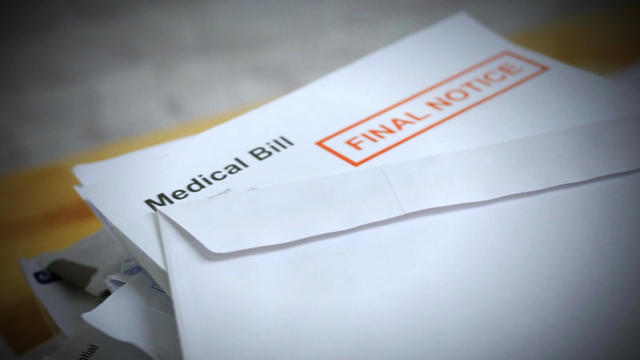
One in five American households bears some medical debt, which is a factor in a majority of U.S. bankruptcies. Since 2014, the charity RIP Medical Debt has abolished more than $9.5 billion worth of medical bills for more than six million Americans, by buying up delinquent medical debt at pennies on the dollar (just as debt collectors do) and abolishing it. Correspondent Martha Teichner talks with the co-founder and president of RIP Medical Debt, and with a Georgia preschool teacher whose $1,500 medical debt, that had dogged her for years, was suddenly erased. (An earlier version of this story was broadcast April 16, 2023.)

A private equity-backed New York bariatric surgery practice has filed hundreds of debt-collection lawsuits. One patient is fighting back.
At any time, one in five American households bears medical debt, the cause in a majority of U.S. bankruptcies. Since 2014, the charity RIP Medical Debt has abolished more than $8.5 billion worth of medical bills for five million Americans, by buying up delinquent medical debt at pennies on the dollar, just as debt collectors do, and abolishing it. Correspondent Martha Teichner talks with the co-founder and president of RIP Medical Debt, and with a Georgia preschool teacher whose $1,500 medical debt, that had dogged her for years, was suddenly erased.
1 in 5 U.S. households bears medical debt. Since 2014, the charity RIP Medical Debt has abolished more than $8.5 billion in debt by buying up delinquent medical debt at pennies on the dollar and erasing it.