U.S. ramps up strikes on Iran
The U.S. struck Iran overnight as tensions between the two countries continue to escalate. Iran responded with attacks on U.S. bases and facilities in the Middle East. CBS News' Charlie D'Agata has more.
Watch CBS News
The U.S. struck Iran overnight as tensions between the two countries continue to escalate. Iran responded with attacks on U.S. bases and facilities in the Middle East. CBS News' Charlie D'Agata has more.
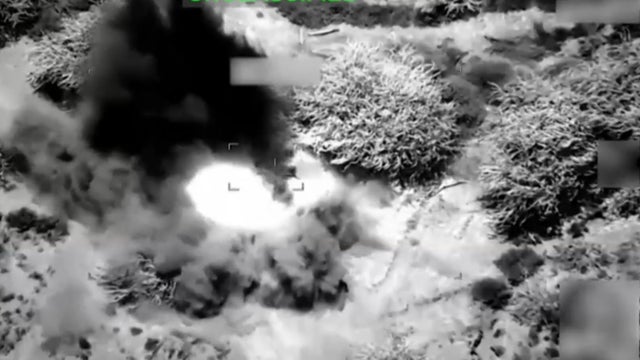
The U.S. unleashed another night of strikes targeting multiple locations aimed at degrading Iran's ability to threaten commercial shipping in the Strait of Hormuz. CBS News' Courtney Kealy reports.
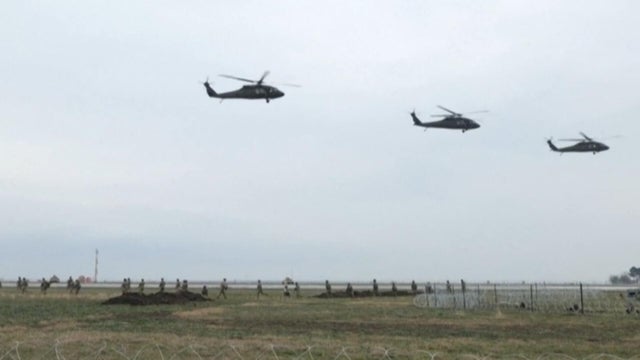
President Trump and senior defense officials are considering military action in Cuba, CBS News has learned, but no official decision on an operation has been made. Charlie D'Agata explains what we know.
U.S. Central Command confirmed it began a second wave of strikes against Iran on Wednesday, following a round of attacks earlier in the day. Retired Navy Vice Adm. Robert Murrett joins CBS News to discuss.
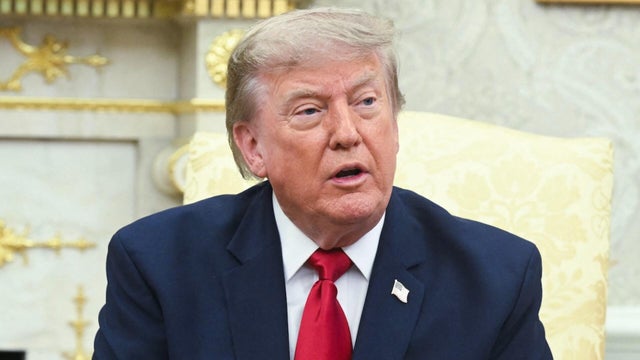
The U.S. launched back-to-back strikes on Iran Wednesday, marking a fifth straight day of attacks. CBS News senior White House and political correspondent Ed O'Keefe reports.
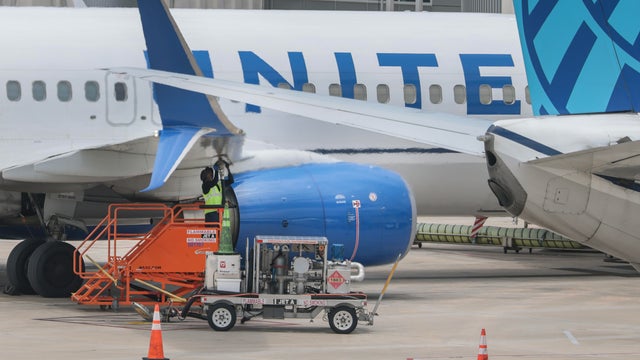
U.S. airlines say higher jet fuel prices are costing them billions more than they anticipated at the beginning of the year.
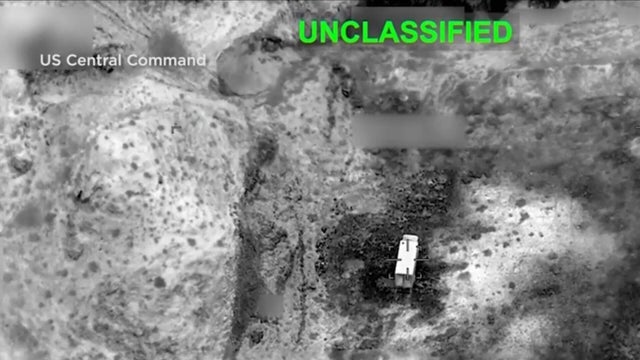
The U.S. and Iran continued trading strikes on Wednesday as President Trump threatened to start hitting civilian infrastructure. CBS News' national security contributor Samantha Vinograd joins "The Takeout" to discuss.
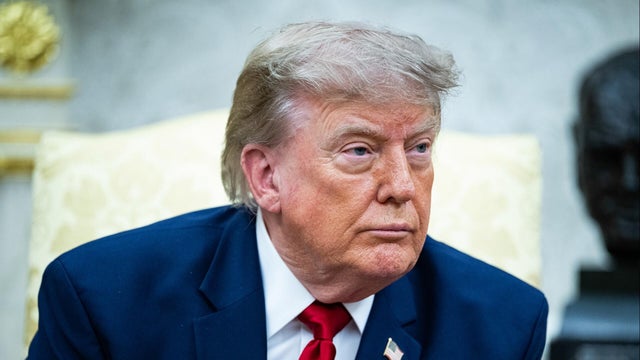
The U.S. launched two waves of strikes against Iran on Wednesday, marking the fifth day of attacks against the country as the war ramps back up. CBS News' Aaron Navarro reports.
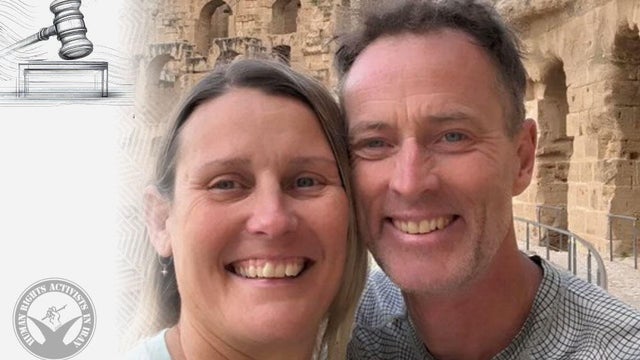
A man whose mother and stepfather are imprisoned in Iran tells CBS News "the hardest part is the uncertainty."
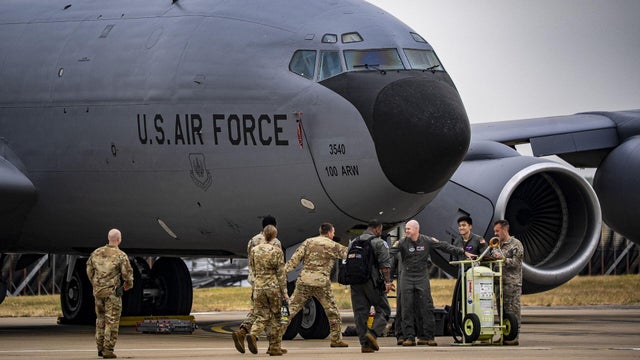
Many U.S. military operations rely on the work of pilots flying midair refueling tankers, including the KC-135 Stratotanker. Charlie D'Agata visited U.S. forces stationed at a Royal Air Force base in Mildenhall, England, to learn about "the gas stations of the sky."
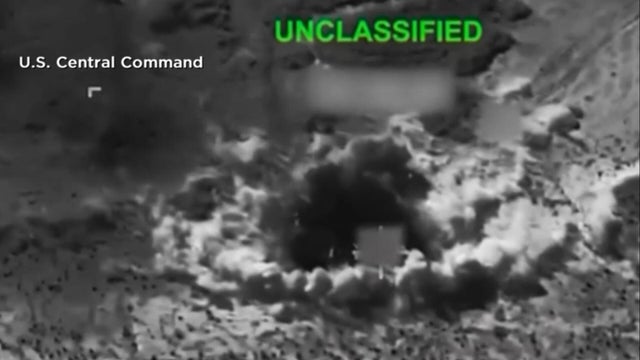
President Trump threatened to strike Iran's infrastructure "unless they come to the table and negotiate." This came after he walked back a plan to impose a charge on cargo ships passing through the Strait of Hormuz in favor of trade and investment deals with Gulf nations. Semafor Gulf editor Mohammed Sergie joins "CBS Mornings News" with more on the U.S. strategy in Iran.
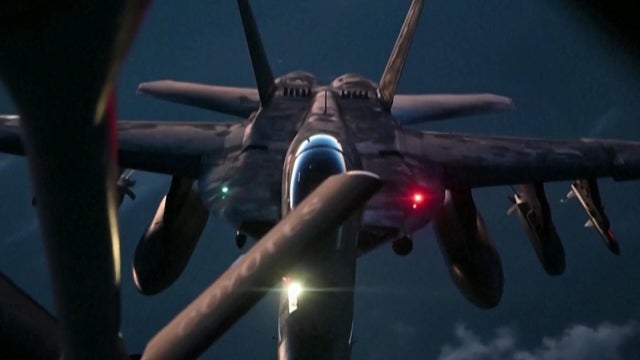
A crucial part of the U.S. operation against Iran has been the Royal Air Force station in Suffolk, England, where the Air Force operates one of its key in-air refueling stations. Charlie D'Agata reports.
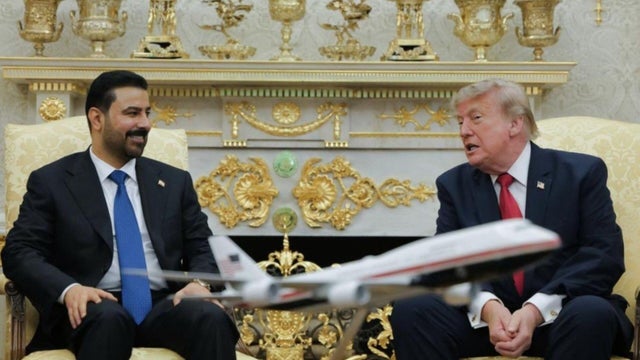
Flights were disrupted for hours at Ronald Reagan Washington National Airport on Tuesday due to security concerns prompted by Iraqi Prime Minister Ali al-Zaidi's visit with President Trump and Pentagon officials. Olivia Rinaldi reports.
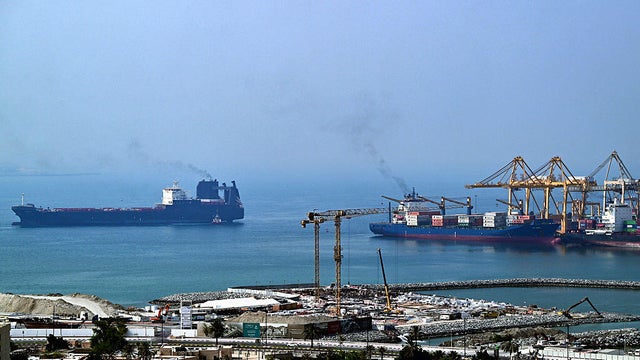
As the U.S. restarts its Iran blockade and carries out more strikes, President Trump has called off a planned 20% fee on shipping through the Strait of Hormuz.
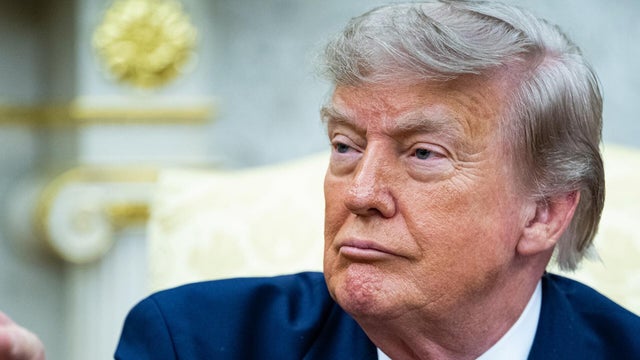
President Trump told Fox News on Tuesday that he won't rule out a ground invasion of Iran. The comments come amid another round of U.S. strikes against Iranian targets. CBS News' Eleanor Watson reports.
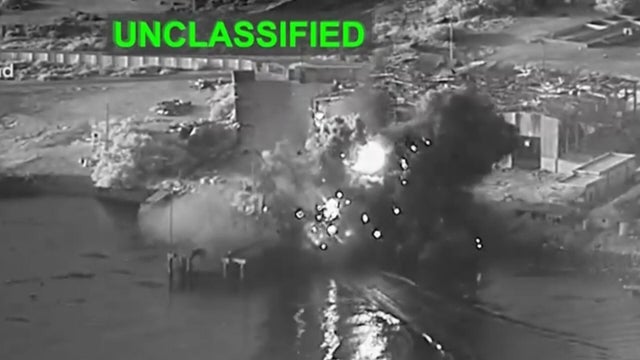
The U.S. military launched a new wave of strikes against Iran Tuesday as it reinstated its naval blockade against the country. CBS News' Olivia Rinaldi reports.
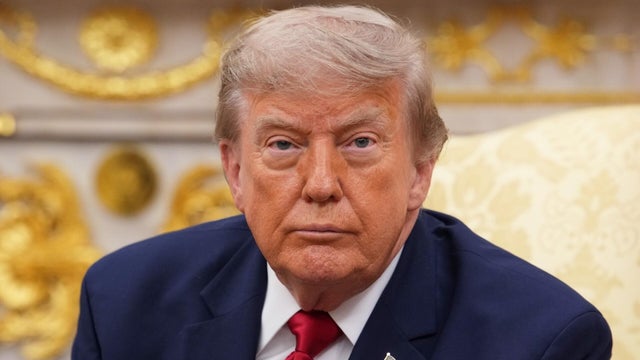
The U.S. hit Iran with heavy airstrikes for the fourth night in a row, aimed at preventing the regime's new attacks on oil and cargo ships. After President Trump floated the idea of the U.S. acting as a "guardian of the Hormuz Strait" on Monday, he reversed his decision. Ed O'Keefe has the details.
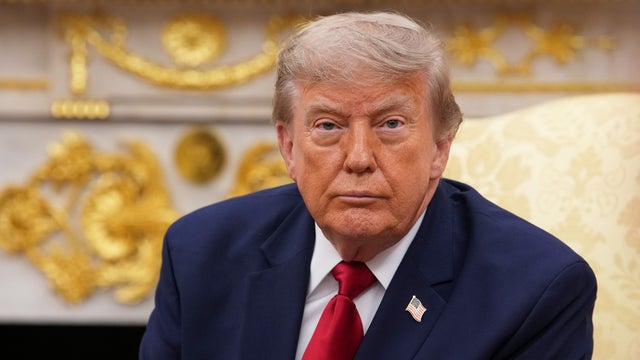
President Trump on Tuesday reversed his Monday proclamation about a 20% fee for cargo moving through the Strait of Hormuz. CBS News' Ed O'Keefe and Aaron MacLean report.
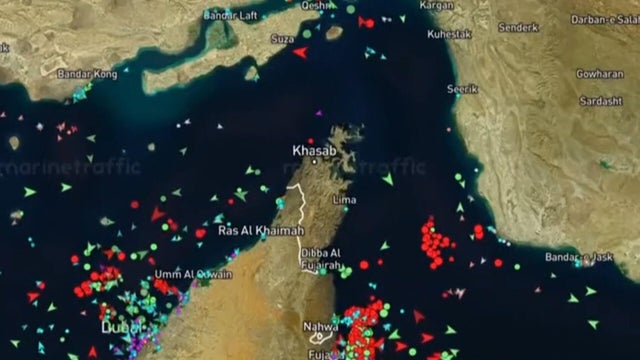
The United States on Tuesday resumed its naval blockade against Iran and launched new strikes against the country. CBS News' Olivia Rinaldi reports and retired Col. Mark Cancian joins with analysis.
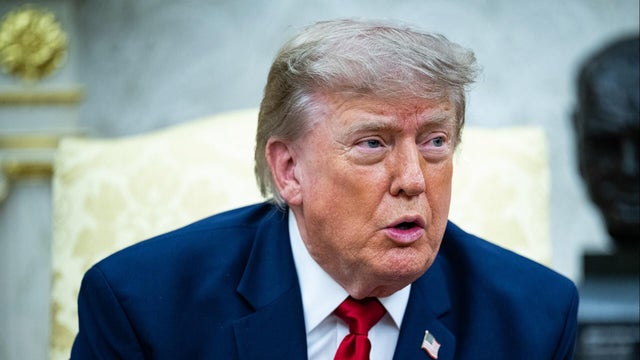
President Trump on Tuesday reversed course on his decision to impose a 20% toll on ships passing through the Strait of Hormuz and said the U.S. military doesn't need to have a presence in Iran. CBS News' senior White House and political correspondent Ed O'Keefe and Middle East contributor Courtney Kealy report.
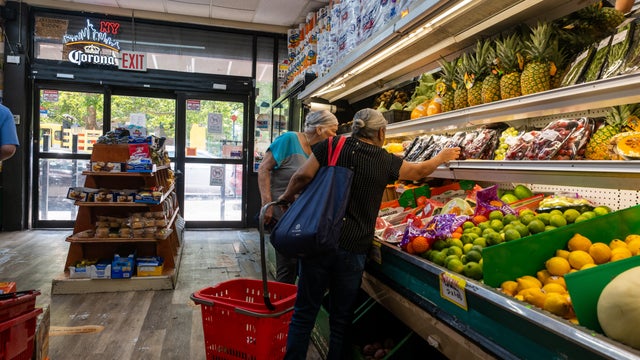
Lower gasoline prices slowed inflation in June, though many household costs remained stubbornly high.
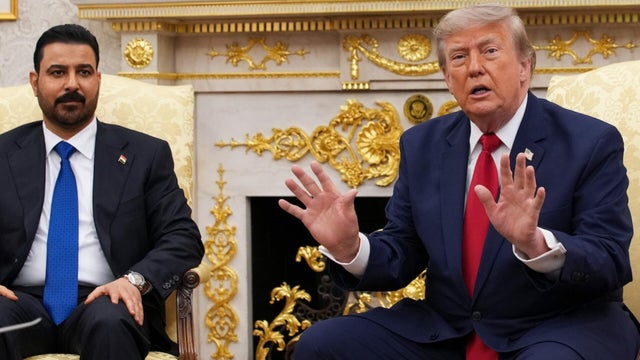
President Trump says he changed his mind on a 20% fee he planned to impose on all cargo traversing the Strait of Hormuz. Mr. Trump commented on tensions with Iran as he met with Iraqi Prime Minister Ali al-Zaidi at the White House. CBS News' Aaron Navarro and Courtney Kealy have more.
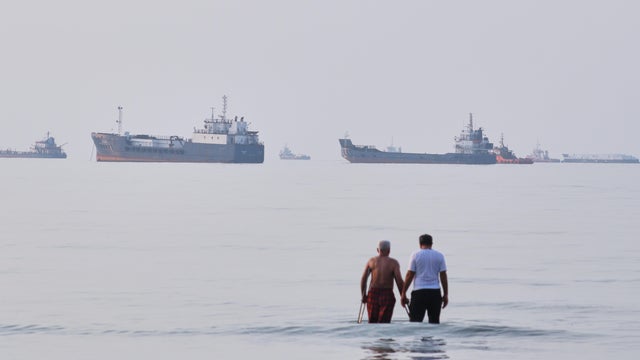
Industry insiders say "there is no legal basis" for Trump to impose a 20% fee on cargo transiting the Strait of Hormuz, something he now says he's decided not to do.
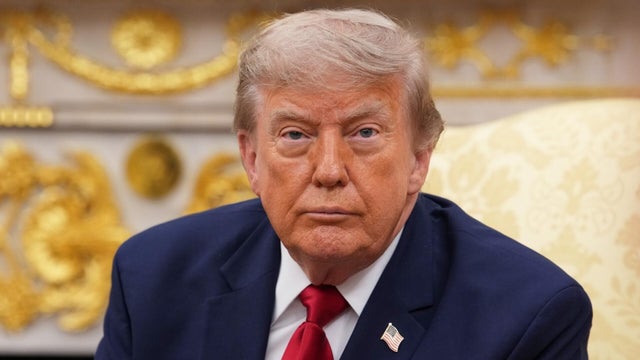
President Trump is reacting after walking back a plan to impose a 20% fee on cargo ships transiting the Strait of Hormuz. Mr. Trump said his reversal comes after several allies brokered trade deals with the U.S.
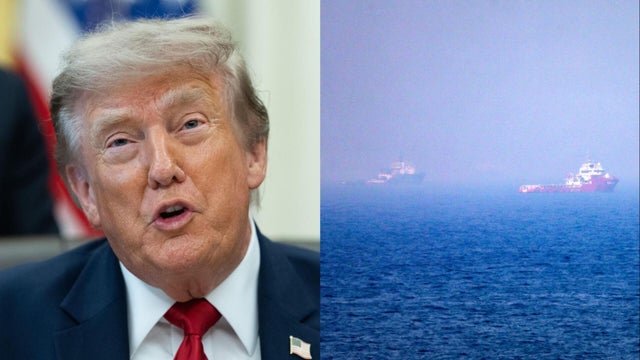
President Trump dropped his plan for a 20% toll on cargo passing through the Strait of Hormuz, saying he "decided to replace" the fee with investment deals with Gulf nations. CBS News' Aaron Navarro breaks down the latest details.