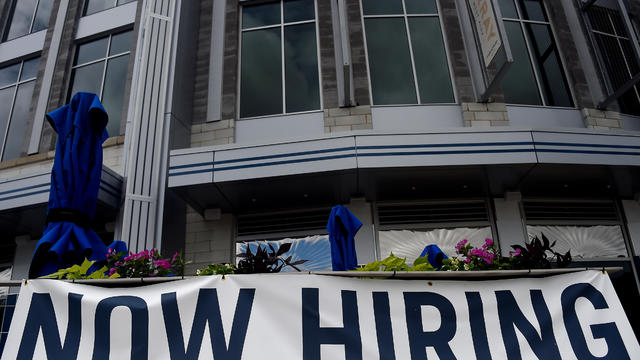
Employers slowed hiring in July as coronavirus spread
So far, less than half of all the country's jobs lost during March and April shutdowns have returned.
Watch CBS News
So far, less than half of all the country's jobs lost during March and April shutdowns have returned.
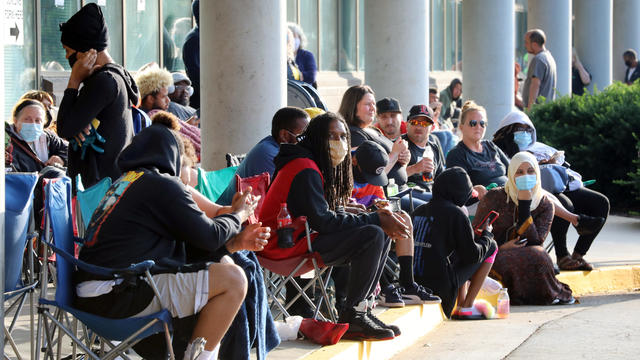
Some 1.3 million Americans filed for unemployment assistance last week, and another 1 million put in for self-employed aid.
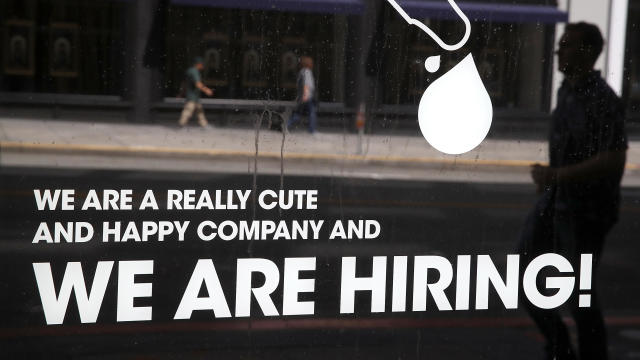
Business reopenings spurred a return to work last month, but many hirings are now on hold again as COVID cases rise.

Federal loans "did not restore the vast majority of jobs that were lost following the COVID shock," analysis concludes.
Nearly 1.5 million Americans filed for unemployment as the coronavirus continues to hurt the job market.
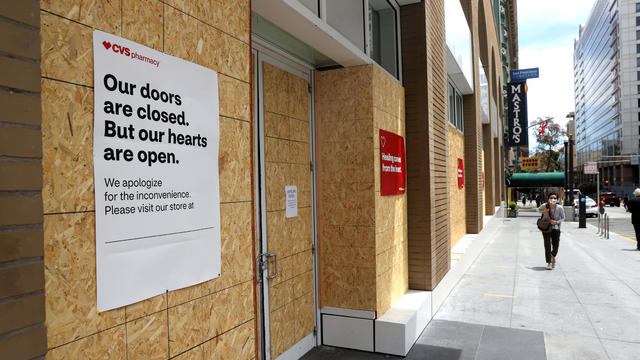
1 in 6 Americans in the workforce is now receiving jobless benefits, with tens of millions unemployed.

While the pace of layoffs around the country has declined, 30 million Americans are receiving jobless aid.

The future is uncertain for many who recently graduated from college, trade schools or vocational programs. The coronavirus pandemic has led to an economic downturn, and many companies are now on a hiring freeze, and even rescinding job offers. CBS News campaign reporters Cara Korte and Zak Hudak spoke with some of these students whose lives are now in limbo.

Employers added 2.5 million jobs in May, reversing April's sharp drop and showing hope for a swifter recovery.
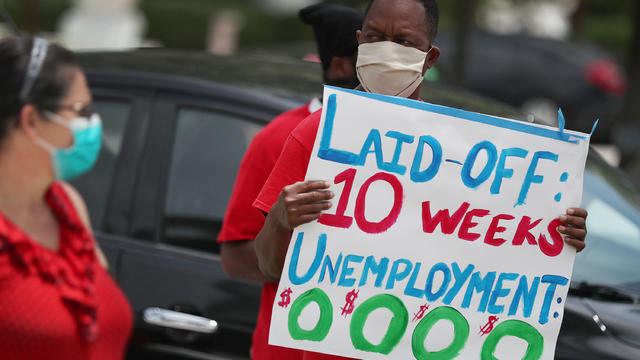
Applications for jobless aid have been dropping steadily, indicating that the worst of the layoffs may have passed.

Payroll firm ADP reported 2.8 million jobs lost in May, fewer than many thought, bolstering hopes of a layoffs peak.
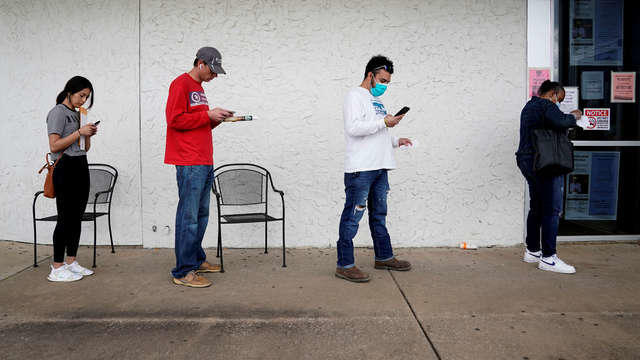
Some 42 million workers have lost their jobs since March — twice the number lost during the entire Great Recession.

According to the Labor Department, one in four American workers filed for jobless benefits in the last 10 weeks.

Stock market has surged 35% since a mid-March low as investors hang their hopes on an economic recovery.
Bloodless technical term provokes backlash on social media, although it's standard among economists.

Managers may be used to decisions that determine the life or death of a company. But the life or death of an employee?
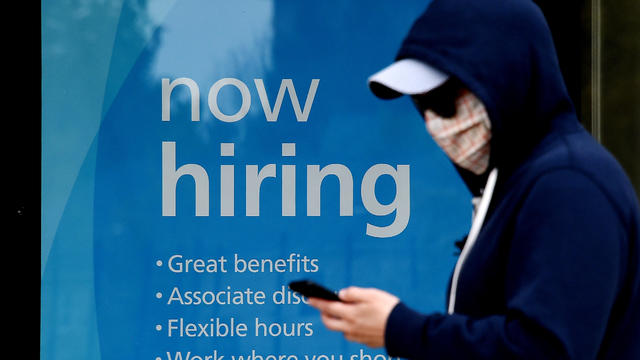
Layoffs continue two months after broad shutdowns started, dampening hopes for a swift recovery.

On the campaign trail, Elizabeth Warren often tells the story of how she was fired from her first teaching job in 1971 because she was pregnant. But several media outlets have questioned the veracity of these claims. CBS News 2020 campaign reporter Zak Hudak discusses his reporting with CBSN's Elaine Quijano on "Red & Blue."

Employers added a surprisingly high number of jobs in October as the economy shrugged off a 40-day strike by autoworkers. CBS News' Reena Ninan has more.
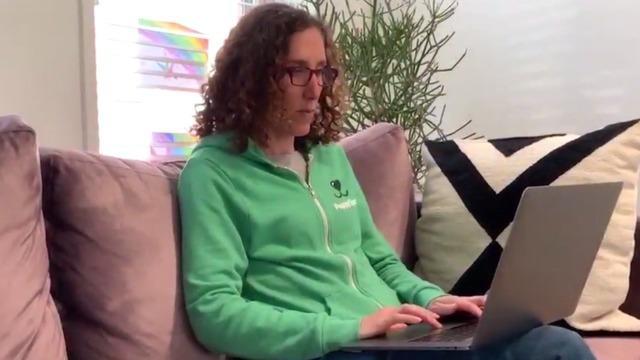
The coronavirus pandemic has forced millions of Americans to work from home. As restrictions become relaxed and workplaces reopen, many are still hesitant to return and prefer staying put at home. Kris Van Cleave reports.
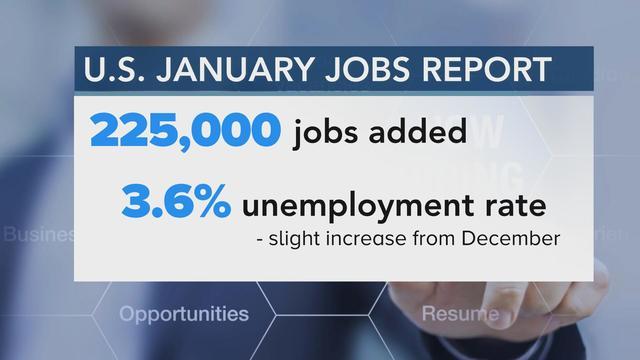
A surprisingly warm January led to strong hiring, with jobs gains in the areas of construction and leisure and hospitality. CBS News' Vladimir Duthiers has the numbers.

President Trump's aides spent Thursday negotiating with House Speaker Nancy Pelosi on a plan to help people who have taken a financial hit amid the coronavirus pandemic. Pelosi expressed optimism after an all-day negotiation with officials, promising that the relief package would cover sick leave, unemployment insurance and family medical leave. Paula Reid breaks down how the pandemic response is playing out in the nation's capital.

Many U.S. citizens abroad would get no public support if they lost their jobs, and some could even be forced to go back to a country where nothing is waiting for them. CBS News' Haley Ott has more from London.
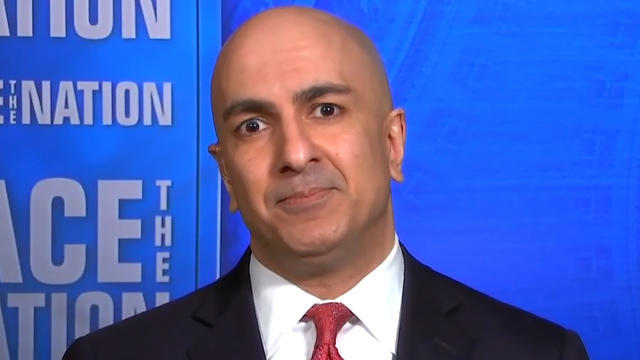
Neel Kashkari, the president and CEO of the Federal Reserve Bank of Minneapolis, says more economic help for individuals and businesses could be needed for months.
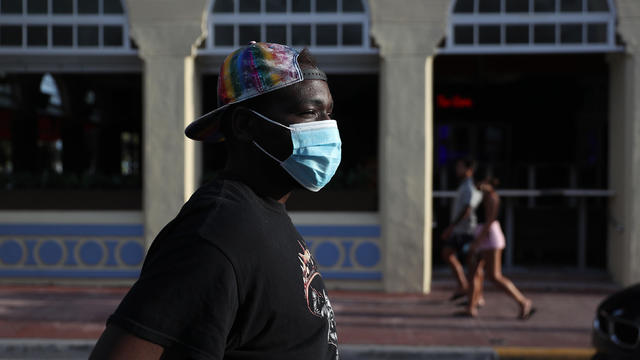
A total of 36 million Americans have applied for jobless benefits since the coronavirus erupted in March.