Schools and businesses continue to close
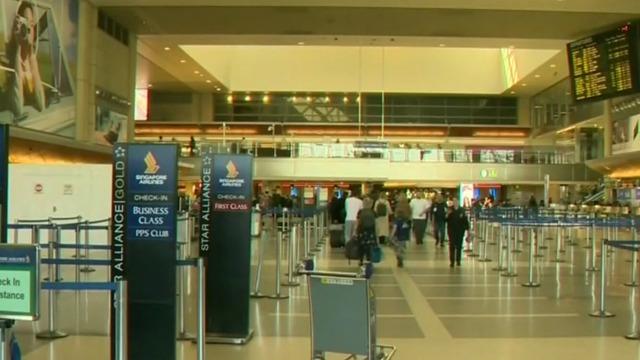
The Centers for Disease Control and Prevention has advised schools to close for at least eight weeks to contain the virus. Some big businesses are also following suit. Danya Bacchus reports.
Watch CBS News
The Centers for Disease Control and Prevention has advised schools to close for at least eight weeks to contain the virus. Some big businesses are also following suit. Danya Bacchus reports.
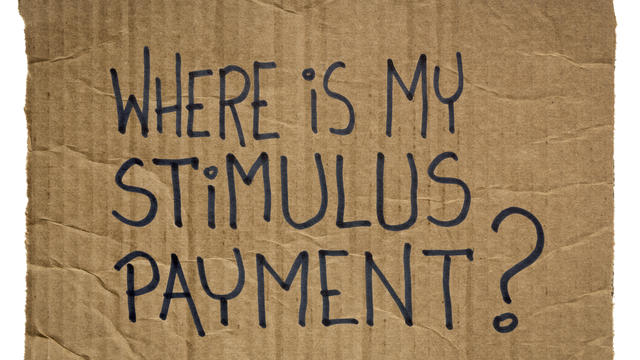
IRS says it has sent about 130 million payments. Here's why you may still be waiting for your money.

Wall Street is hoping to rebound Tuesday after Monday's historic losses, but traders still worry about the long-term impact of the outbreak. Some finance experts are fearing the coronavirus pandemic could lead to a recession. CBS News Business Analyst Jill Schlesinger joins "CBS This Morning" to explain where the U.S. economy stands, and who could be impacted the hardest.
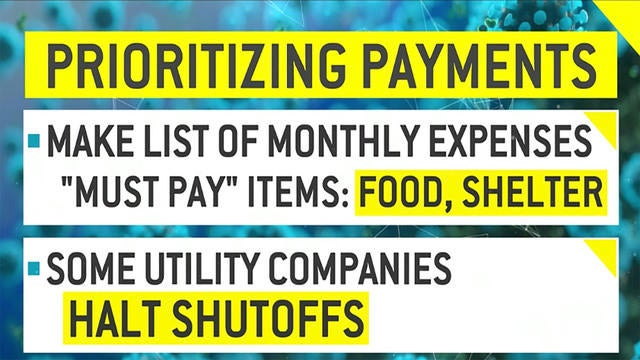
Coronavirus fears led to another terrible day for stocks Monday, amid growing concerns the world may be headed into a new recession. Consumer spending makes up 68% of the U.S. economy. CBS News Business Analyst Jill Schlesinger joins "CBS This Morning" with some tips on how everyday people can cope with the financial uncertainty.
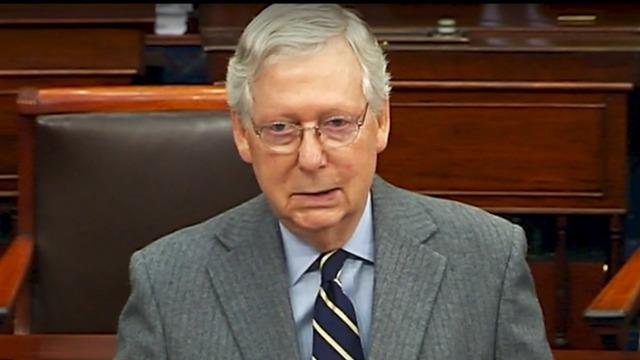
Congress is considering the biggest bailout in U.S. history to rescue the economy from the effects of the coronavirus pandemic. The trillion-dollar stimulus package could put money back in the pockets of Americans while a new poll shows that nearly one in five households have lost work because of the pandemic. Nancy Cordes breaks down how the economic package could affect everyday people.
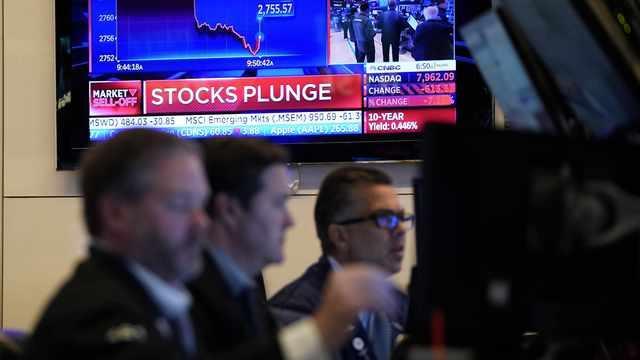
Stock markets are down again Wednesday morning as fears about the coronavirus have led to investor uncertainty. Melissa Armo, CEO and founder of The Stock Swoosh, joins CBSN to talk about what's been happening.
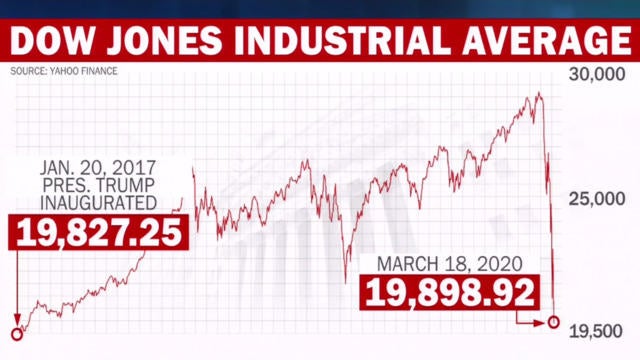
The New York Stock Exchange will temporarily close its famous trading floor on Monday after two people tested positive for the coronavirus. Trading is set to resume electronically. On Wednesday, the Dow closed below 20,000, erasing nearly all its gains since President Trump took office. CBS News business analyst Jill Schlesinger joins "CBS This Morning" to react to the extreme economic uncertainty.
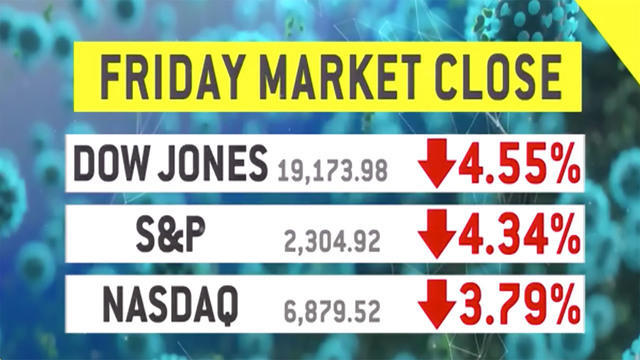
The Dow and NASDAQ’s Friday closing numbers marked the end of U.S. markets’ worst week since the 2008 financial crisis. The economic fallout has also lead to massive layoffs and predictions of an unprecedented slowdown. Jill Schlesinger joins “CBS This Morning: Saturday” to break down the latest financial information.
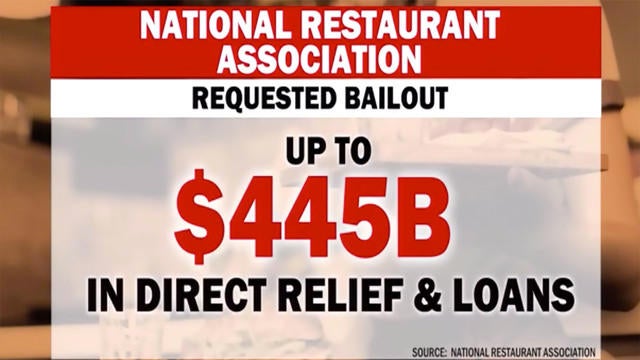
The coronavirus crisis has upended the restaurant industry’s hopeful projections for a record $900 billion year. With massive layoffs and widespread closures, the extent of the damage that will be done by the pandemic’s end is unclear. CBS News contributor and staff writer at The Atlantic, Derek Thompson, joins “CBS This Morning: Saturday” to discuss the impact restaurants’ struggled will have on the economy.

In this web exclusive CBS News business analyst Jill Schlesinger talks with Nobel Prize-winning Columbia University professor Joseph Sitglitz about how efficiencies in our economy, aimed at increasing short-term profit, have made us more vulnerable in the crisis we face today with the COVID-19 pandemic.
Minneapolis Fed chief Neel Kashkari ran TARP during the Great Recession. He told 60 Minutes what lessons he learned that apply today.
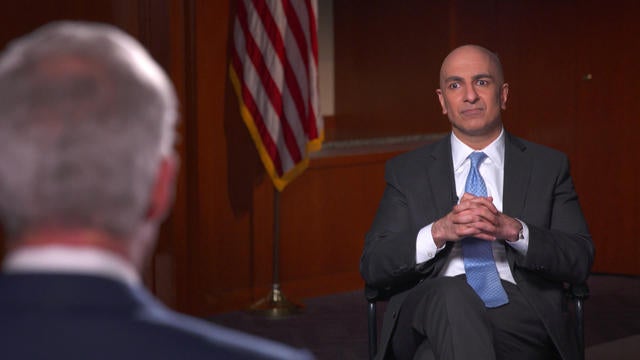
The Minneapolis Fed chief told 60 Minutes the government should grant loans to businesses that retain their workers through the coming recession.
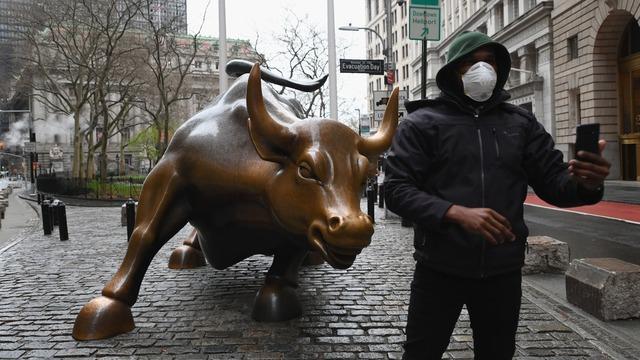
U.S. markets were down Monday morning despite the Federal Reserve announcing unprecedented measures to stabilize the markets. Melissa Armo, C.E.O. and founder of the Stock Swoosh, joined CBSN to talk about what's happening on Wall Street.
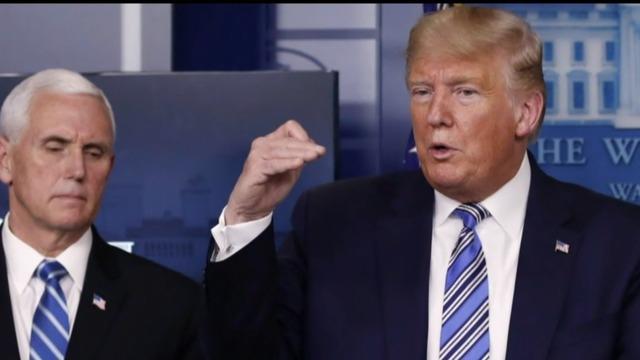
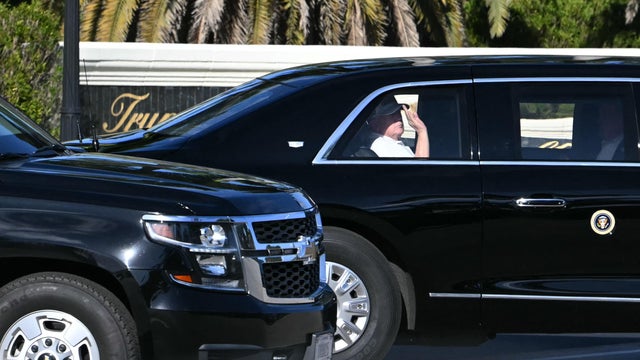
While the federal government is still urging people to stay at home amid the pandemic, President Trump said he will decide on Monday whether to ease current coronavirus restrictions. He argued that dire economic conditions caused by prolonged shutdowns could lead to suicides, which he claimed would result in an even higher death toll. Mr. Trump's statement goes against the advice of medical experts who say the coronavirus will not be contained in just a matter of weeks. Paula Reid breaks down the president's Monday evening coronavirus briefing, where Dr. Anthony Fauci was noticeably absent.
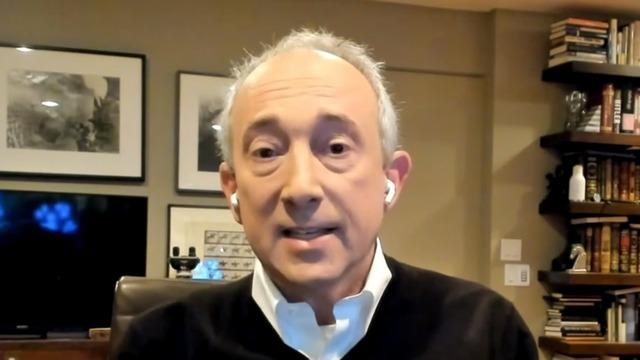
President Trump said the "cure" should not be worse than the "problem" while lobbying for a swifter end to coronavirus restrictions during a Monday press conference. Dr. David Agus joins "CBS This Morning" to discuss the effects of social distancing, including problems that could stem from ending it early.
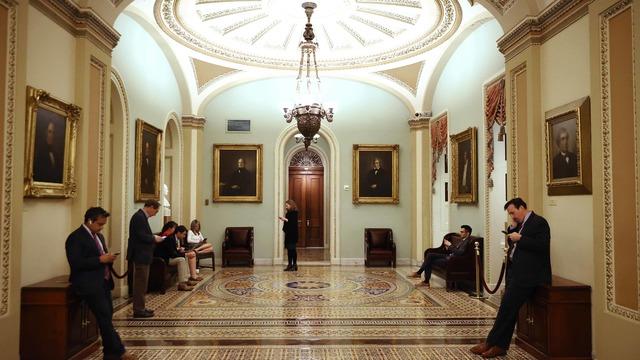
Democratic and Republican leaders in the Senate say help is on the way for American workers and businesses slammed by the coronavirus pandemic, with agreement on a roughly $2 trillion dollar rescue package. CBS News chief congressional correspondent Nancy Cordes joins CBSN to discuss when that relief could reach the public.
In a circular economy, where some see waste, TOMRA sees opportunity.
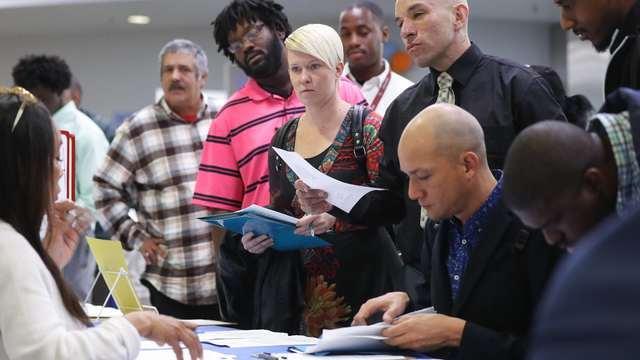
The U.S. Department of Labor reported Thursday a record-high 3.28 million Americans filed for unemployment benefits in the past week as coronavirus slams the economy. Yahoo Finance anchor Adam Shaprio joined CBSN to discuss.

President Trump says he'll make a decision about how to move the country forward when the Trump administration's 15-day "Slow the Spread" initiative comes to an end Monday. It comes as the U.S. surpassed China with the most cases of the virus worldwide. CBS News White House correspondent Paula Reid joined CBSN with more.
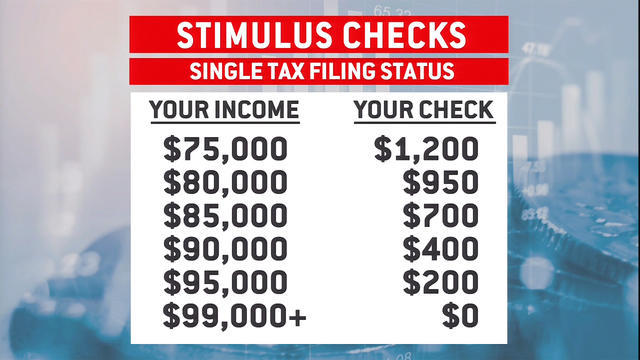
The CARES Act, signed into law on Friday, is the largest economic stimulus package in history. The bill allocates $2.2 trillion to people and businesses negatively impacted by the coronavirus’ effects on the economy. Jill Schlesinger joins “CBS This Morning: Saturday” to explain if and how the stimulus will affect you.

On Sunday, President Trump walked back from his hopes of reopening the country by Easter and instead announced he would extend social distancing guidelines through April 30. CBS News White House correspondent Weijia Jiang joins CBSN with more.

As small businesses and restaurants bear the brunt of the COVID-19's economic impact, some are adapting and helping each other. 60 Minutes reports, Sunday.
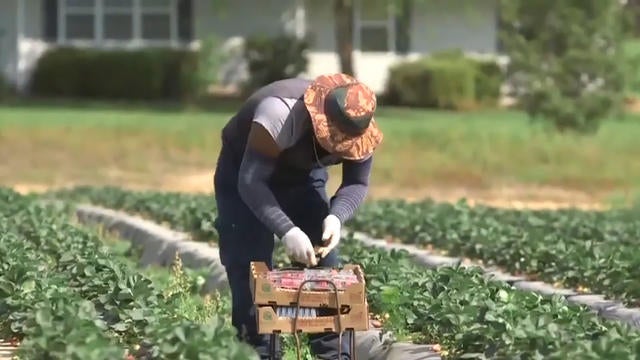
The coronavirus pandemic continues to wreak havoc on the U.S. economy as more than 6.6 million Americans filed for unemployment in the last week. Farmers also worry they won’t have enough workers and that demand will drop without schools and restaurants open. Danya Bacchus reports.
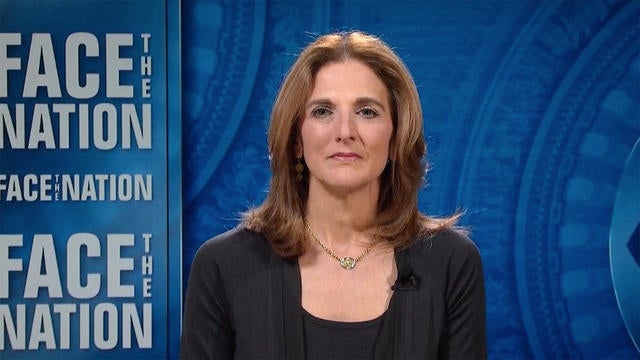
CBS News' Business Analyst Jill Schlesinger explains why the U.S. economy will not look the same after COVID-19.
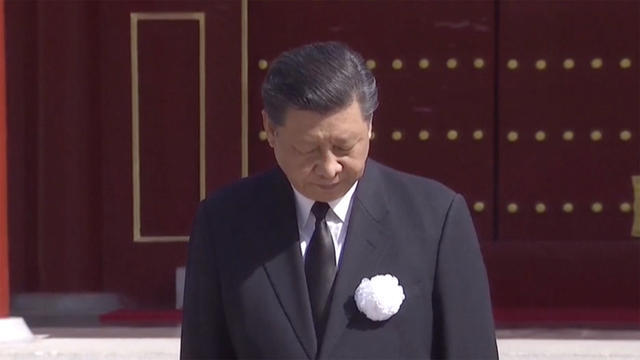
CBS News senior foreign correspondent Elizabeth Palmer has more on COVID-19's impact on the global community.