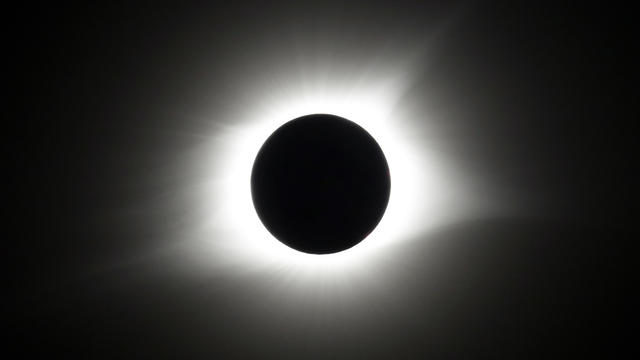
A total solar eclipse will darken U.S. skies on April 8, 2024
About 31.6 million people live in the path of today's total solar eclipse across the U.S., and millions more will see a partial eclipse. Here's how and where to see it.
Watch CBS News
About 31.6 million people live in the path of today's total solar eclipse across the U.S., and millions more will see a partial eclipse. Here's how and where to see it.

On April 8, a total eclipse will be visible from Texas to New England. If you're thinking of traveling to one of the places in the path of totality, get ready for crowds and high prices. CBS News' Robbie Owens reports.
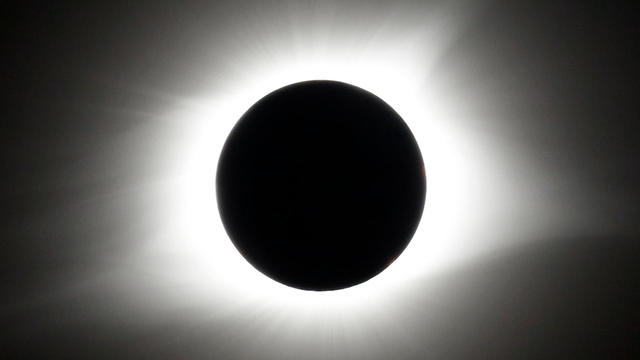
NASA has a warning for people who want to take a peek at next month's total solar eclipse. CBS News' Lilia Luciano has more.

Making an annual trek to Washington, D.C., to see cherry blossoms in peak bloom? You may need to start packing your bags earlier.

In this episode of "Protecting the Planet," CBS News senior environmental correspondent Ben Tracy explores the challenges, innovations and partnerships making renewable clean energy more widespread.

SpaceX's huge Super Heavy-Starship rocket successfully boosted its unpiloted upper stage into space Thursday. The rocket was lost once it entered Earth's atmosphere. CBS News space analyst Bill Hardwood reports.

Amazon founder Jeff Bezos is once again the richest person on Earth, surpassing SpaceX and Tesla CEO Elon Musk, according to the Bloomberg Billionaires Index. CBS News' Nancy Cordes has more.

A vast solar farm with over 621,000 panels shimmer like a mirage but with the capability to power close to 60,000 residential customers — or one very big stadium.

As part of our "Changing the Game" series, we're highlighting Sarah Paiji Yoo. She is the co-founder and CEO of Blueland, which specializes in eco-friendly cleaning products and is on a mission to eliminate single-use plastic.
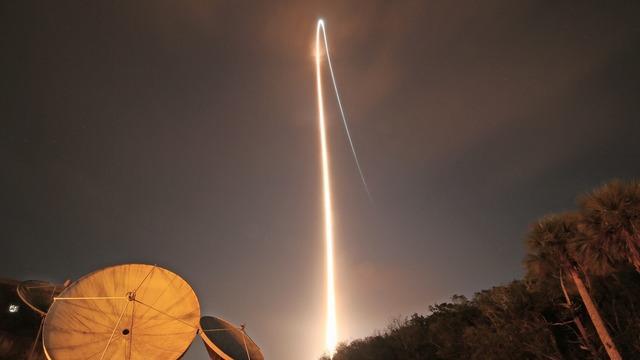
The spacecraft carrying the Peregrine, a commercially built American lunar lander, may be facing a critical failure after its launch Monday. Derrick Pitts, the chief astronomer at Philadelphia's Franklin Institute, joins CBS News with details on the spacecraft's apparent fuel leak.
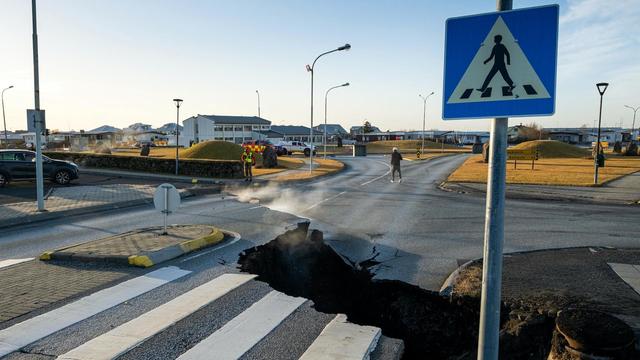
Iceland has declared a state of emergency as researchers continue to monitor a potential volcanic eruption that has led to the evacuation of thousands. Vincent Drouin, a geophysicist at the Icelandic Meteorological Office, joins CBS News with what the data is indicating.

A new report from the World Wildlife Fund says that the world needs to overhaul the way we get food to save the planet. They also revealed startling data about Earth's animal population. CBS News' Ian Lee has the details.

A new study says the collision with a proto-planet called Theia 4.5 billion years ago left remnants deep inside Earth — and also created the moon.

Jamie Maussan, a longtime UFO researcher, was joined in Mexico's Congress by a former U.S. Navy pilot, who later dismissed Maussan's "unsubstantiated stunt."

Earth keeps on warming, according to a new "State of the Climate" report from the National Oceanic and Atmospheric Administration. CBS News senior national and environmental correspondent Ben Tracy has more on the findings.

July 2023 was the hottest month on record. The global average temperature was 62.51 degrees Fahrenheit -- nearly two-thirds of a degree hotter than the previous record set in 2019, and more than one degree hotter than the average set over the last 30 years, according to the Copernicus Climate Change Service. Journalist and writer Jeff Goodell explains the significance of the numbers.

At two "Eras" tour concert stops in Seattle, Swift and her fans managed to make enough noise and movement to actually rock the ground beneath them for four straight hours.

The United Nations said temperature records show July is on track to be the hottest month ever recorded on Earth, and likely the warmest human civilization has ever seen. Over 180 million Americans -- more than half of the U.S. population -- were under heat alerts Thursday, from the Southwest to the Northeast. CBS News correspondent Roxana Saberi has the latest from New York.
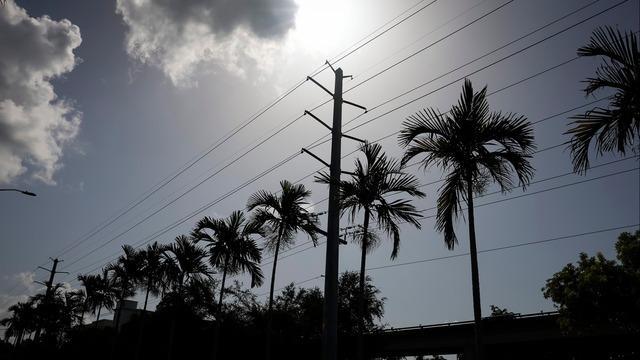
The waters off Florida's southern tip were so hot Tuesday that you could mistake a dip in the Atlantic for a hot tub. All of these high temperatures -- on the sea and on land -- have concerned scientists about the future of the planet. Allegra Legrande, climate scientist at NASA's Goddard Institute for Space Studies, joined CBS News to explain what's happening to the Earth -- and what needs to be done before it's too late.
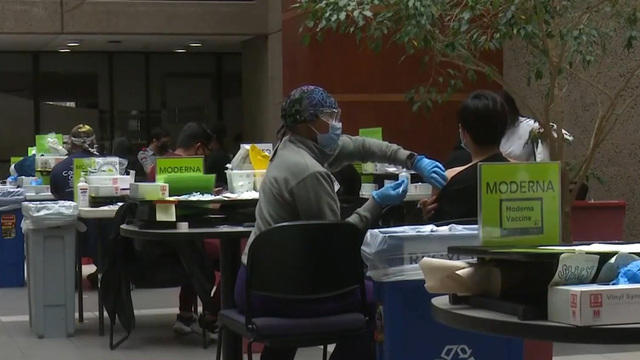
U.S. coronavirus cases down but demand for vaccines is also falling; Chinese rocket to crash to Earth this weekend

U.S. shatters record with 800,000+ COVID cases per day; Giant asteroid expected to fly by Earth
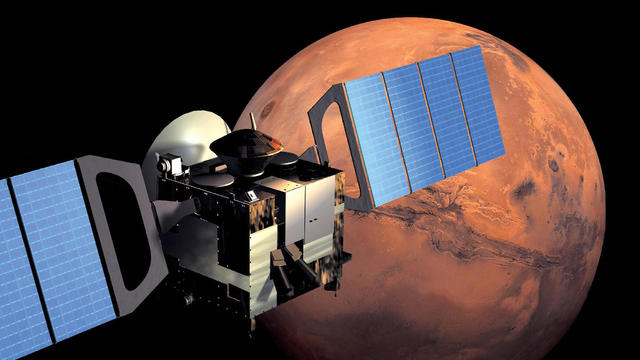
The minimum distance between Mars and Earth is about 34 million miles, according to NASA.

Earlier this year, scientists completed the first transmission of energy from space to earth, potentially revolutionizing carbon-free energy. The scientists behind the incredible achievement explain the process. Jeff Glor reports.
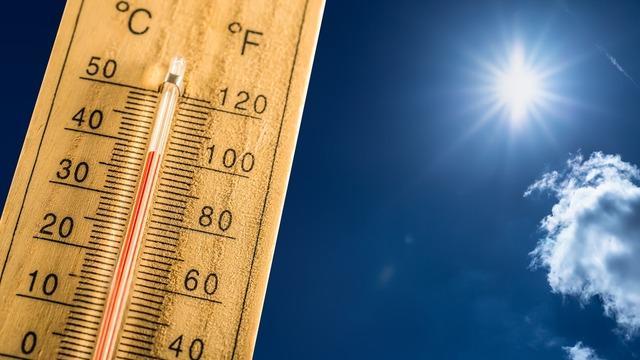
Millions of Americans are under alerts as dangerous levels of heat scorch the planet. Data from the University of Maine show the Earth's average temperature reached an unofficial record high of nearly 63 degrees Fahrenheit on Wednesday. CBS News national correspondent Manuel Bojorquez reports from Miami.

The unofficial hottest day on planet Earth was recorded earlier this week. The rising temperatures are causing growing concerns over the long-term effects of climate change. Chris Field, director of the Stanford Woods Institute for the Environment, joined CBS News to talk about the scorching temperatures.