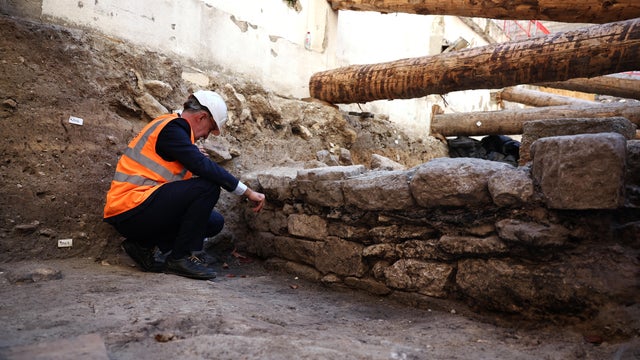
Ancient wall found under Paris hotel could confirm origins of city
The wall dating from the Gallo-Roman period was discovered beneath a hotel on the Île de la Cité, a stone's throw from Notre Dame Cathedral.
Watch CBS News
The wall dating from the Gallo-Roman period was discovered beneath a hotel on the Île de la Cité, a stone's throw from Notre Dame Cathedral.
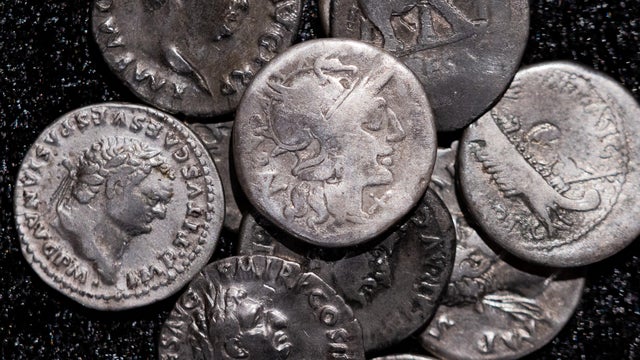
A man who discovered Roman silver coins in a field realized he had stumbled upon something bigger when his metal detector kept signaling.
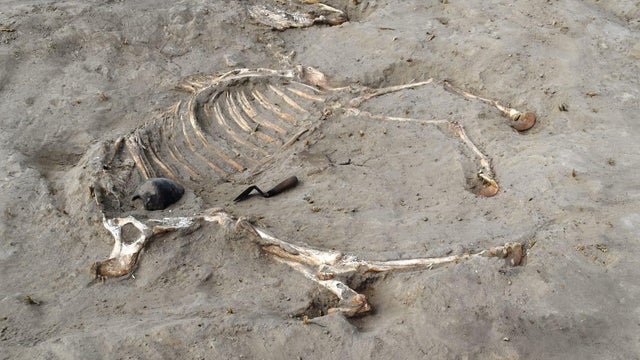
Archaeologists say they've discovered the remains of a likely ancient Egyptian warhorse given an honorific burial more than 3,000 years ago.
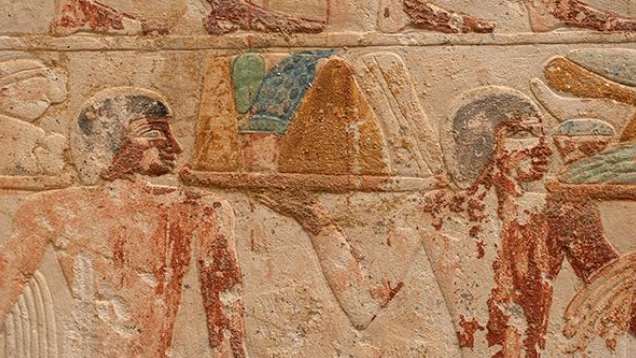
Many of the paintings in the tomb have retained their original colors despite spending more than 40 centuries buried beneath the desert sands, officials said.
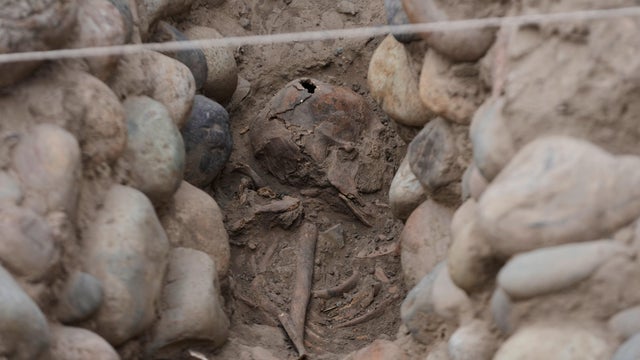
The body was buried inside a canal, resting on its left flank, with the skull facing the pyramid and the Pacific Ocean, archaeologists said.
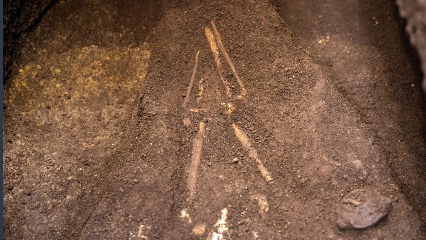
The ancient remains were found face down and will undergo radiocarbon dating to determine their age. DNA analysis will also be carried out to determine the person's sex.
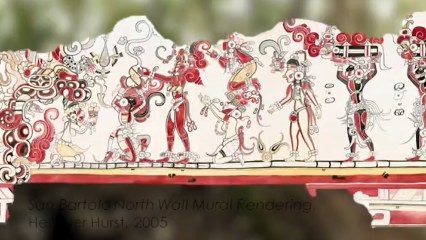
The name "White-chested Fox" was found in drawings dating from 400 BC to 900 AD at the San Bartolo-Xultun archaeological site.
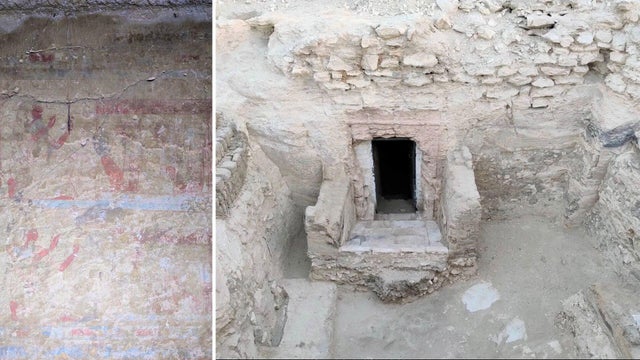
The burial site was identified as belonging to a man named Paser based on inscriptions.
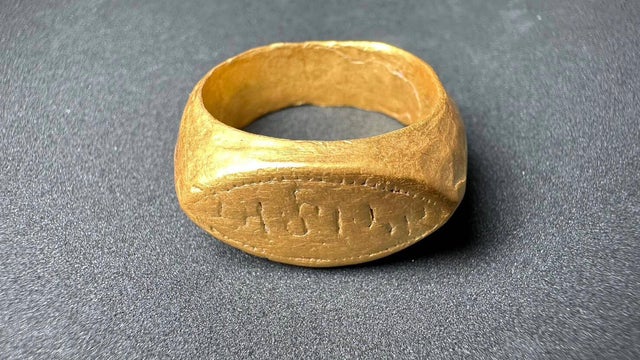
Archaeologists have discovered eight human skeletons, bronze and gold jewelry and other artifacts indicating a ceremonial burial of wealthy people.
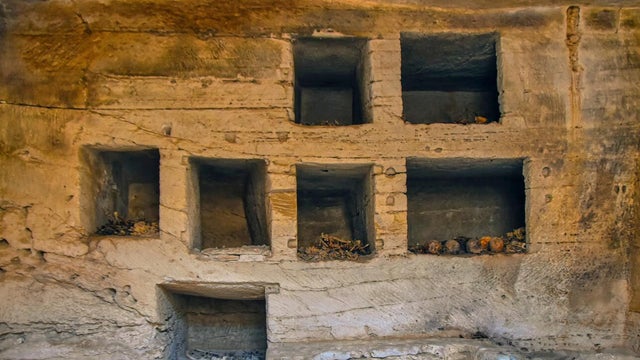
The fourth-century residential city in the western desert is one of two major archaeological finds announced by Egypt on Saturday.
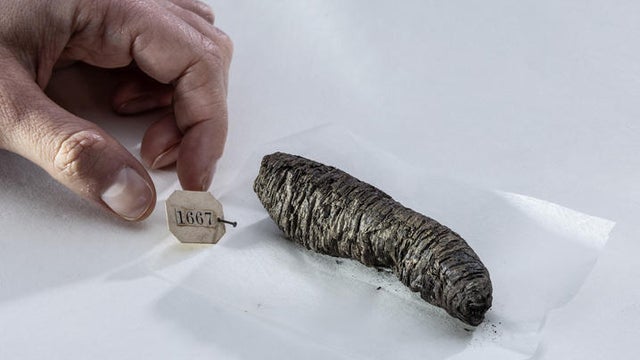
An 18th-century archaeological dig uncovered a library of intact but charred scrolls. Their contents have been unreadable until recently.
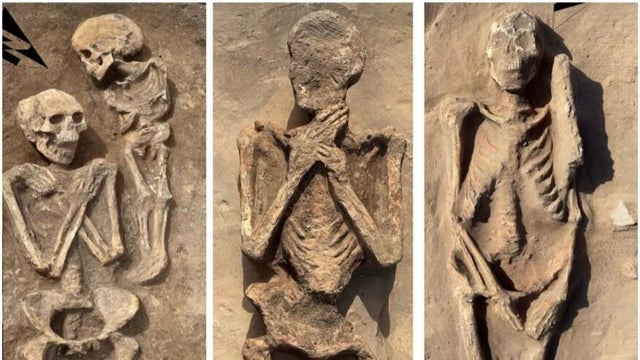
Human and animal remains unearthed in Egypt's Nile Delta reveal changing funerary practices over some 600 years, and the evolution of a key site itself.
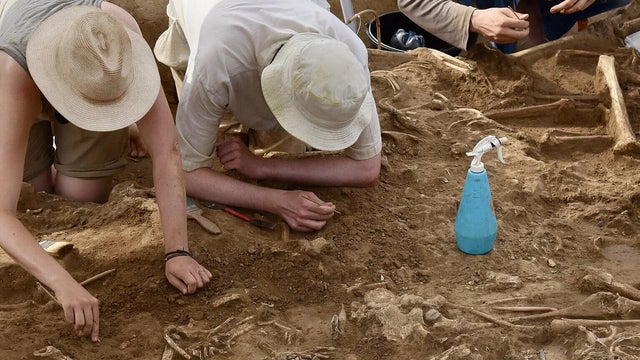
Researchers have discovered dozens of headless human skeletons in a ditch in Slovakia, which they believe date back 7,000 years.
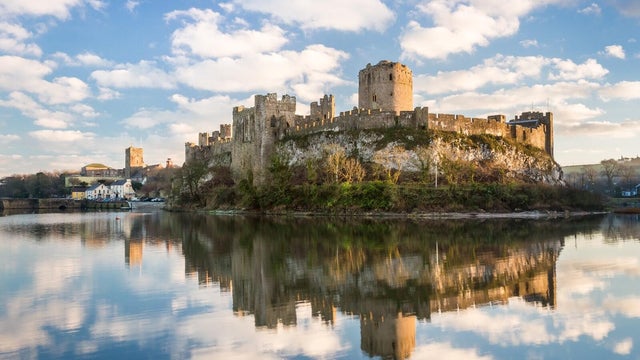
A prehistoric hidden cave and hippo bones found beneath Pembroke Castle could transform understanding of ancient life in Britain, researchers said
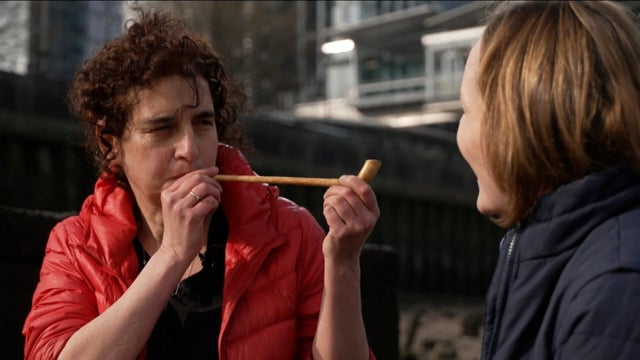
When the tide goes out, centuries of hidden treasures are revealed on the banks of the River Thames in London. Tina Kraus reports on the "mudlarks" who search the banks for pieces of the past.
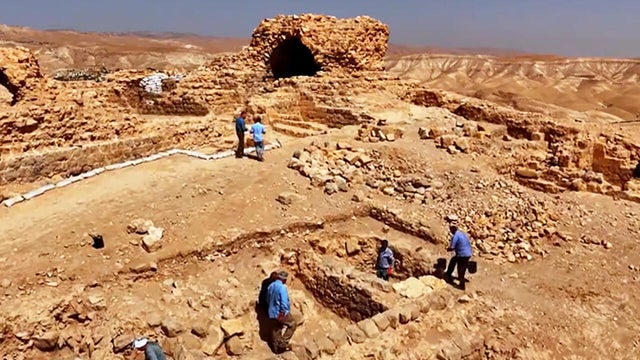
Archaeologists, residents and government officials talk about how uncovering and preserving centuries-old sites and artifacts in Israel and the West Bank also serves to highlight contemporary disputes over ownership rights, and concerns about history being erased.
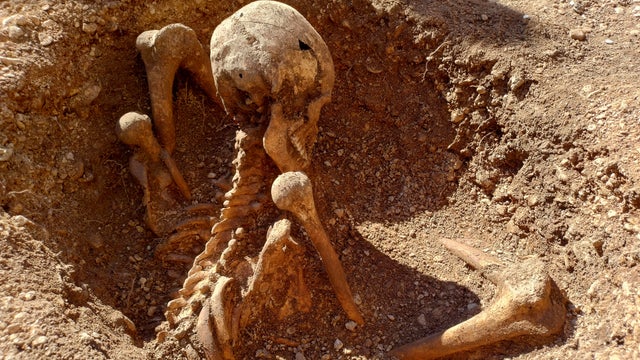
The skeleton is the latest in a series of bodies discovered in the city of Dijon that were mysteriously buried in a seated position while facing west.
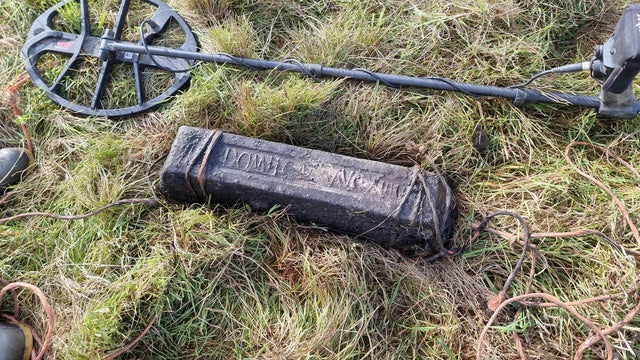
The find was made on a farmer's land in western Wales, museum Amgueddfa Cymru said.
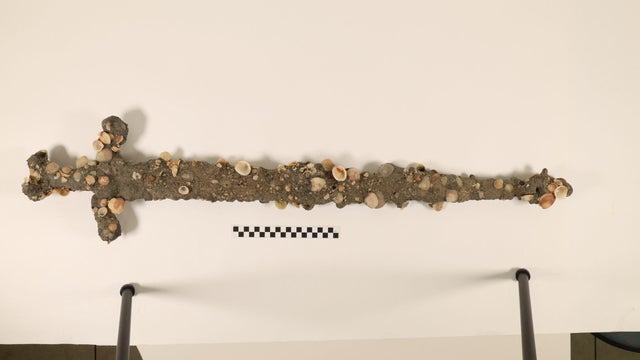
A student made the discovery "by chance" while swimming, according to the University of Haifa.
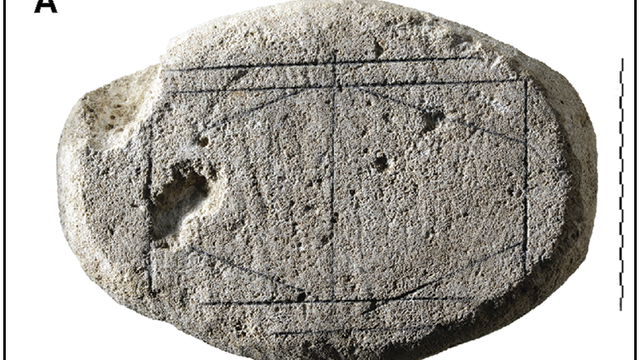
The aim of the "deceptively simple but thrilling strategy game" was to hunt and trap the opponent's pieces in as few moves as possible, scientists said.
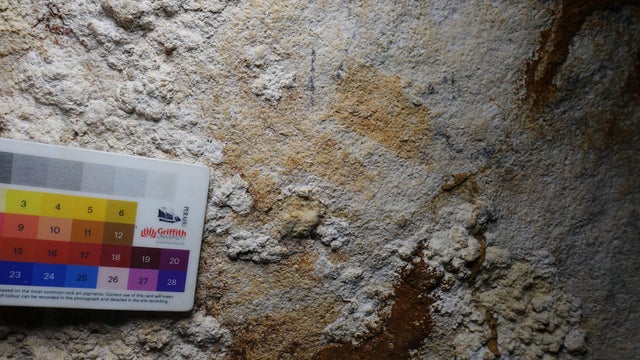
The fingers of one of the hands were "retouched to become pointed like claws," the study's co-author said.
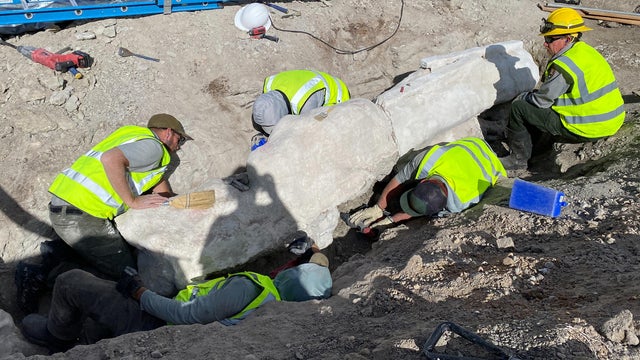
The Dinosaur National Monument, which is located on the border between Colorado and Utah, was last excavated in 1924.
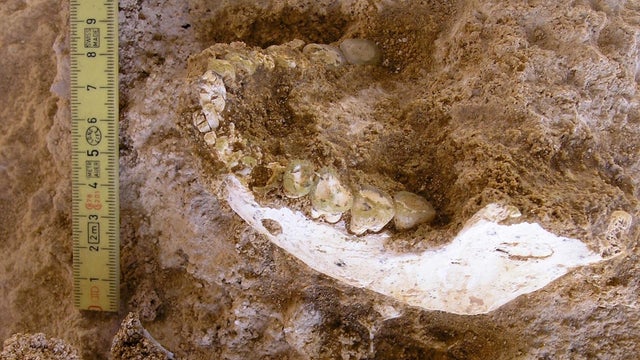
Fossilized bones and teeth dating to 773,000 years ago are providing a deeper understanding of the emergence of Homo sapiens.
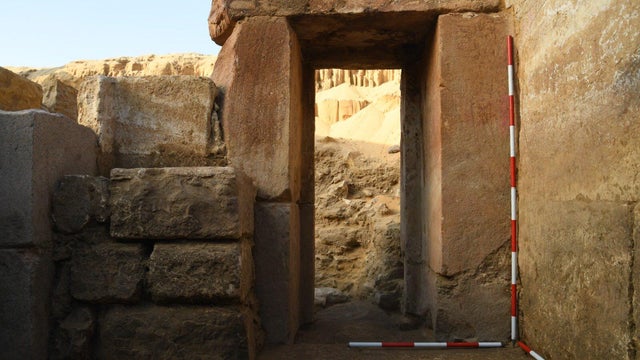
An archaeological team has uncovered for the first time more than half of the temple, long buried under River Nile sediment.
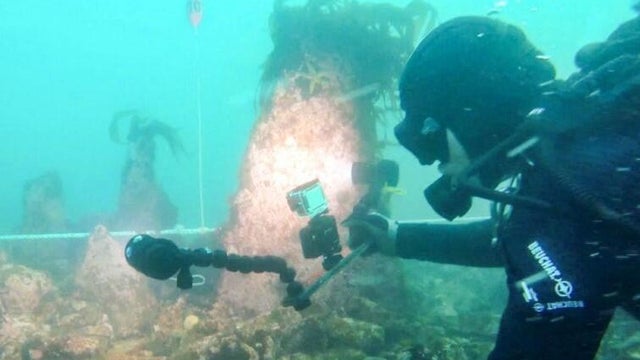
"Archaeologists did not expect to find such well-preserved structures in such a harsh setting," geologist Yves Fouquet said.