Interest rate hike's impacts on U.S. farmers
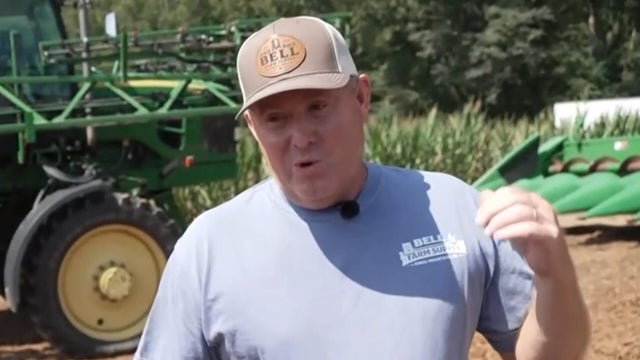
The Federal Reserve spiked interest rates by 0.25 percentage points on Wednesday, sparking further concerns over the economy, especially for U.S. farmers. CBS News' Lana Zak has more.
Watch CBS News
The Federal Reserve spiked interest rates by 0.25 percentage points on Wednesday, sparking further concerns over the economy, especially for U.S. farmers. CBS News' Lana Zak has more.
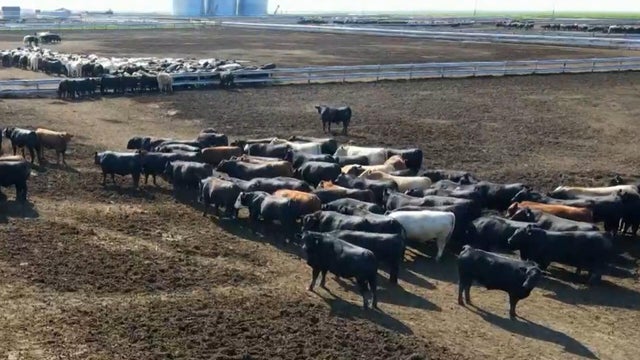
American farmers are struggling with drought and high feed costs, leading to some selling their herds. Ian Lee reports.
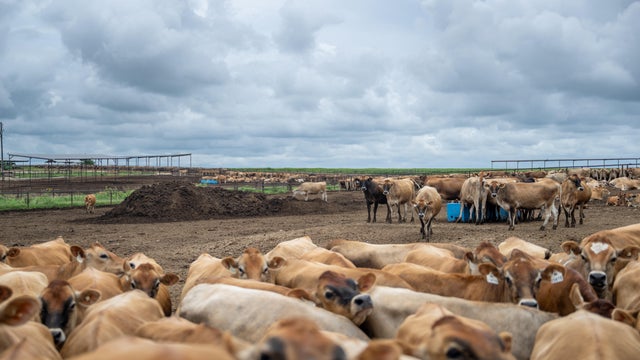
Trump administration plan to temporarily waive higher tariffs on beef imports has drawn backlash from U.S. cattle ranchers.
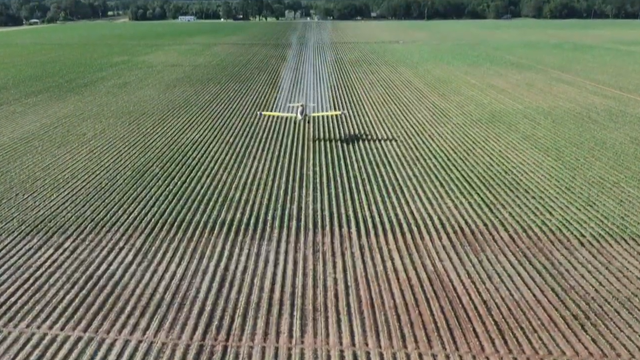
As the agriculture industry in Louisiana contends with major energy cost hikes brought on by the Iran war, some farmers are unsure if their businesses will survive.
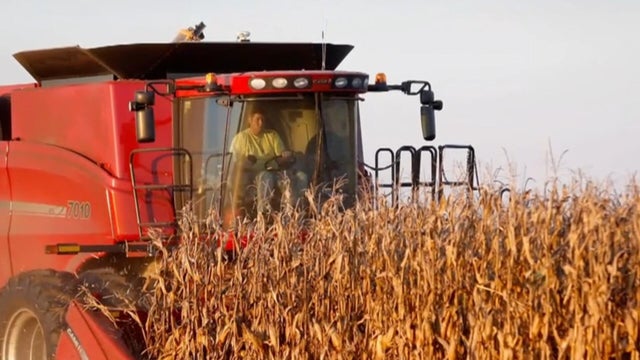
U.S. farmers are struggling to stay afloat as the cost to operate keeps increasing. According to new Agriculture Department data analyzed by Politico, the U.S. has lost nearly 150,000 farms in the last five years. Rachel Shin, one of the authors of that analysis, joins "The Daily Report" to discuss.
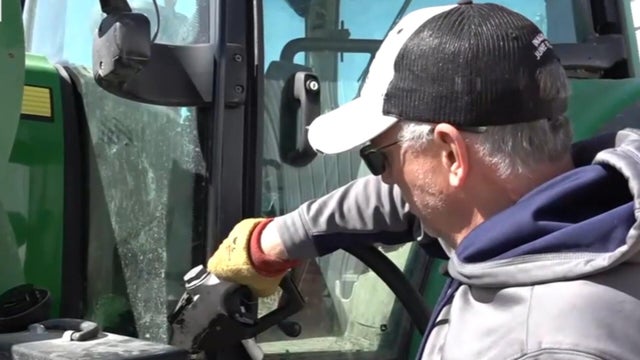
Scott Marlow, an agriculture policy expert, told CBS News' Lana Zak that rising fuel costs from the war with Iran have impacted U.S. farmers at "every step" of the process.

While Texas' Senate race is receiving much of the attention on this primary Tuesday, there's also interest in the race for commissioner of the state's Department of Agriculture. Republican candidate Nate Sheets and Democratic candidate Clayton Tucker joined CBS News to discuss.
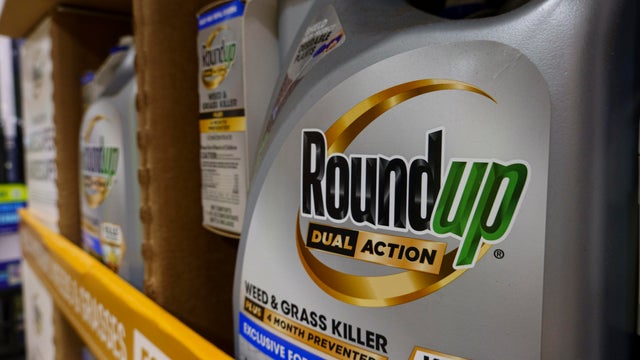
Germany's Bayer has faced thousands of lawsuits after buying Roundup maker Monsanto in 2018 for $63 billion.
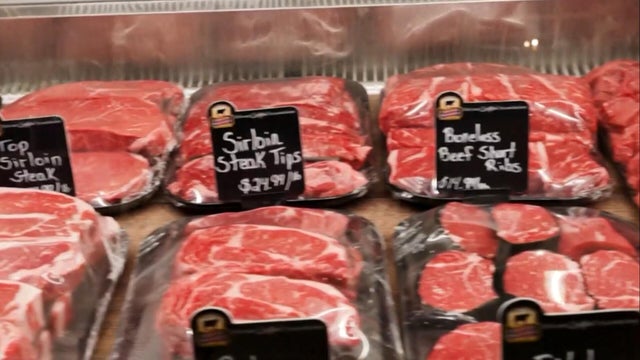
Beef prices are up 15% compared to last year, while chicken and pork prices are only up around 1%. "CBS Saturday Morning" goes behind-the-scenes to figure out what's behind the spike.
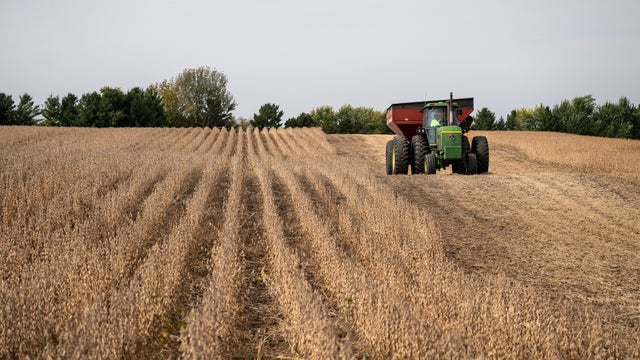
The new financial aid package is expected to shore up the U.S. agricultural sector, which has been hurt by tariffs and a trade war with China.
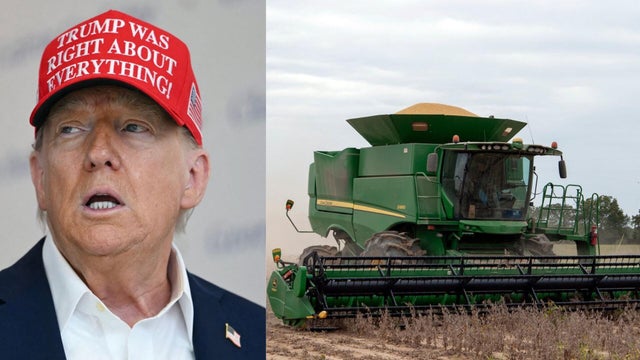
President Trump announced on Monday a $12 billion aid package for U.S. farmers who have been hurt by tariffs and the trade war with China. Most of the aid is going to cattle, corn, cotton, rice, soybean and wheat farmers. Ed O'Keefe reports.
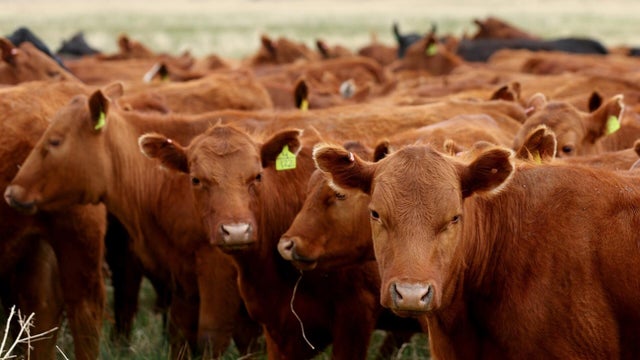
U.S. cattle ranchers are struggling to meet demands from the Trump administration to lower beef prices. Justin Tupper, president of the U.S. Cattlemen's Association, joins with more.
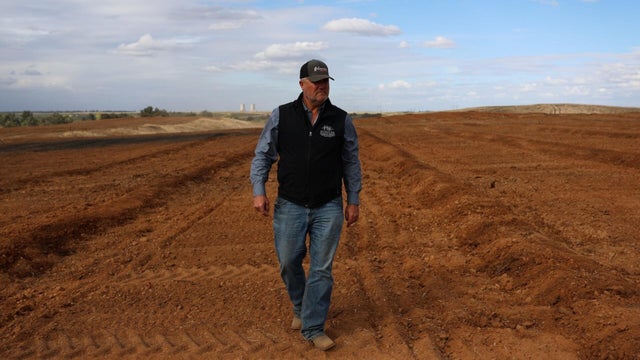
The Trump administration is set to offer $3 billion in aid to U.S. farmers despite the government shutdown, the U.S. Department of Agriculture said. CBS News' Olivia Rinaldi has more details.
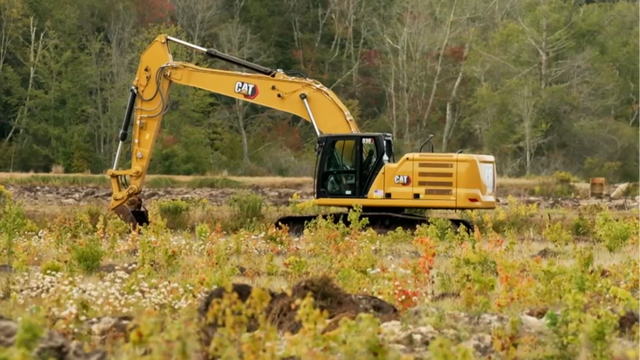
A state program pays cranberry farmers to turn unproductive bogs back into wetlands.
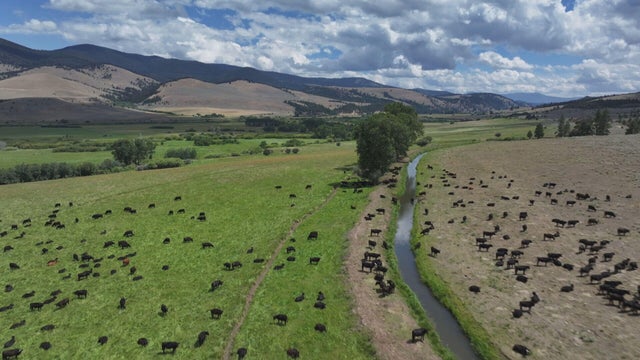
Cole Mannix, cofounder of Old Salt Co-op, says the longterm survival of ranchers depends on rewriting the rules of the existing food system.
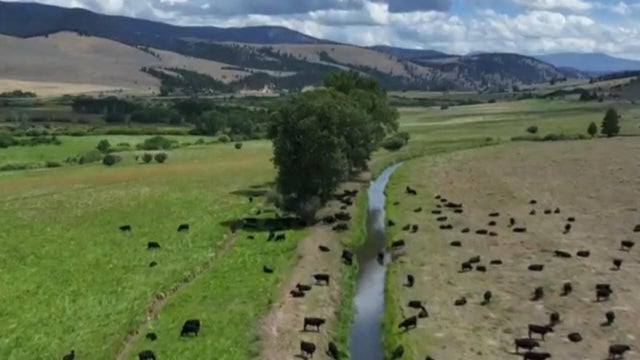
Cole Mannix, cofounder of Old Salt Co-op, says the long-term survival of ranchers depends on rewriting the rules of the existing food system. The co-op unites five ranchers who are all committed to sustainable land management. Jo Ling Kent reports.

The U.S. and European Union said they have formalized a deal aimed at rebalancing their trade relationship.
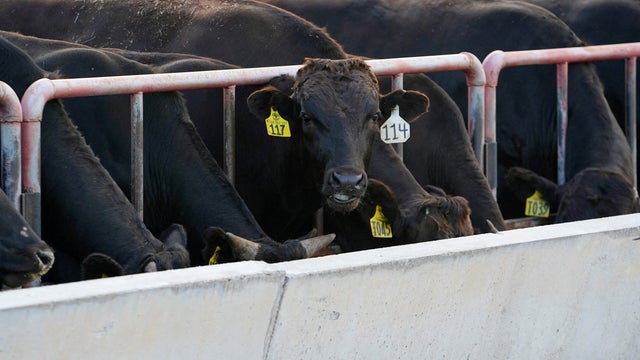
U.S. agriculture secretary credits Trump as Australia announces easing of restrictions on U.S. beef imports. But will Aussie consumers take advantage?

The Hershey Company said that it's raising candy prices to keep up with the increasing cost of cocoa. There's an ongoing global shortage of the essential chocolate ingredient, as heat waves and heavy rain linked to climate change continue to significantly impact West Africa, which supplies the majority of the world's cocoa.
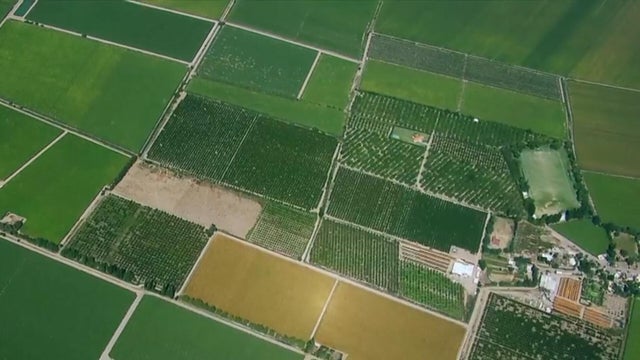
The United Nations says fossil fuels like coal, oil and gas are by far the largest contributors to global climate change, but a new book is taking a look at another culprit: food. Michael Grunwald, author of "We Are Eating the Earth" joins "The Daily Report" to discuss.

Unauthorized immigrants make up nearly 5% of the U.S. workforce, according to 2022 estimates, and a higher share in construction and agriculture.

A third person has been arrested in connection with a smuggled fungus that government officials are calling a potential agroterrorism weapon. CBS News Detroit's Veronica Ortega reports.
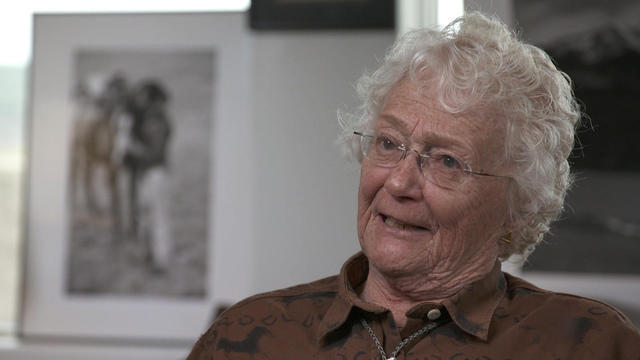
Barbara Van Cleve is 84, born and bred in Montana, and she still runs cattle with the best. She is also a photographer with a passion for chronicling the ranching life she learned as a child, especially the lives of ranch women. Barry Petersen reports.
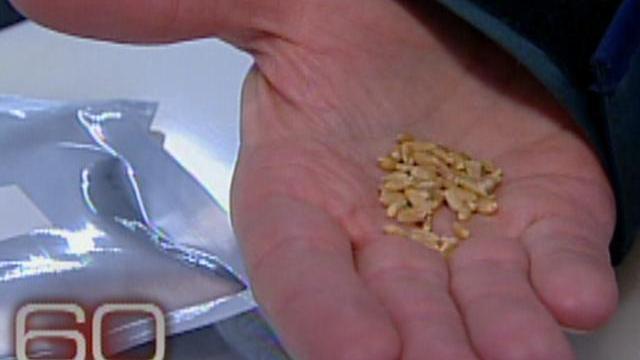
Scientists are collecting a billion and a half seeds from all the world's crops to keep in safe storage deep inside a mountain near the North Pole. Scott Pelley reports.

The screwworm is a larva of the Cochliomyia hominivorax fly that can invade the tissues of any warm-blooded animal, including humans.