Sunday 9AM ET on CBS
11AM ET on the CBS News app
Sunday 9AM ET on CBS
11AM ET on the CBS News app
Watch CBS News
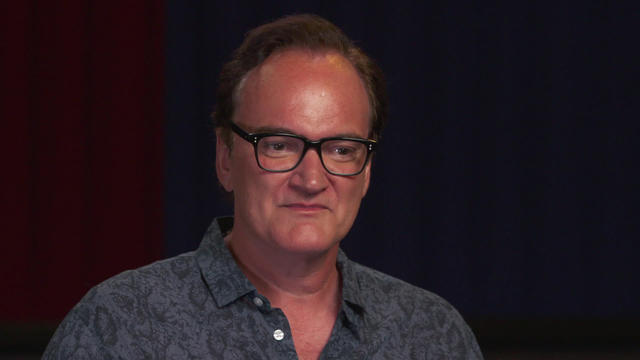
Oscar-winning filmmaker Quentin Tarantino has fulfilled a new dream, by publishing his first novel – an adaptation of his acclaimed period epic, "Once Upon a Time … in Hollywood." Correspondent Tracy Smith talks with Tarantino about the pleasures of becoming a novelist and a father, and his plans for his 10th (and final) film.

Three years ago, at age 53, Peter Marshall, of Andover, Conn., was diagnosed with early onset Alzheimer's. Eventually, he not only forgot his wedding day – he forgot his wife. Lisa Marshall became just another nameless caretaker, their entire history together permanently erased. Until, Lisa says, all of a sudden Peter began "courting" her – and proposed. Steve Hartman reports.

For the colonists who declared independence from Britain 245 years ago, "No taxation without representation" was a rallying cry. For the taxpaying residents of our nation's capital, long without a vote in Congress, it still is.

For the colonists who declared independence 245 years ago, "No taxation without representation" was a rallying cry. For residents of our nation's capital, it still is. Correspondent Mo Rocca looks at the issue of statehood for Washington, D.C., and of the political divide that exists about giving a vote in Congress to the taxpaying citizens living there.

"Sunday Morning" remembers some of the notable figures who left us this week, including former Defense Secretary Donald Rumsfeld.
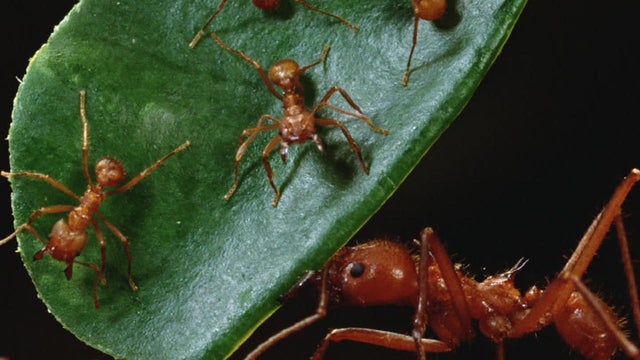
Experts say individual ants are pretty stupid, but learning from the collective intelligence of ant societies could improve human behaviors (like how best to board airplanes).
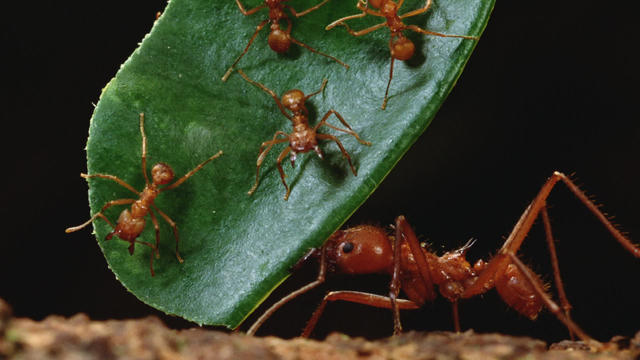
Correspondent Faith Salie traveled to the rain forest of Belize to explore the secret world of ants, and found out how learning from the intelligence of ant societies could help improve human behaviors. Originally broadcast on "Sunday Morning" July 24, 2011.
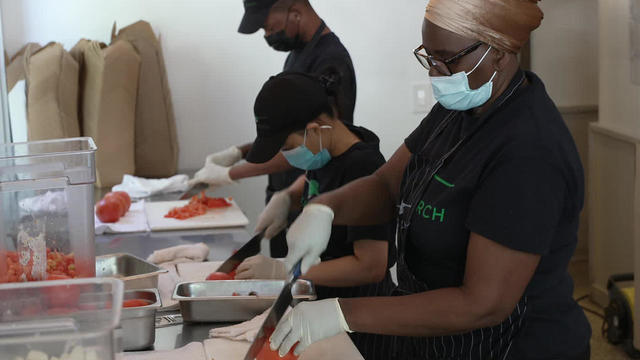
The Brooklyn restaurant Emma's Torch is a staunch advocate for empowering asylum-seekers through education, by training them for jobs in the food service industry, and setting them on their path to the American Dream.
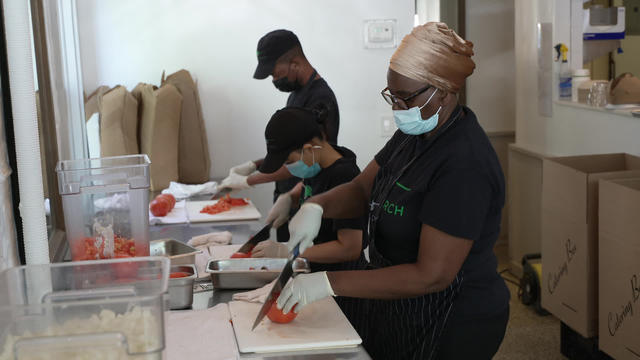
The Brooklyn restaurant Emma's Torch is a staunch advocate for empowering asylum-seekers through education, by training them for jobs in the food service industry. Correspondent Nancy Giles talks with Emma's Torch founder Kerry Brodie, and with graduates of her program who are finding their path to the American Dream.
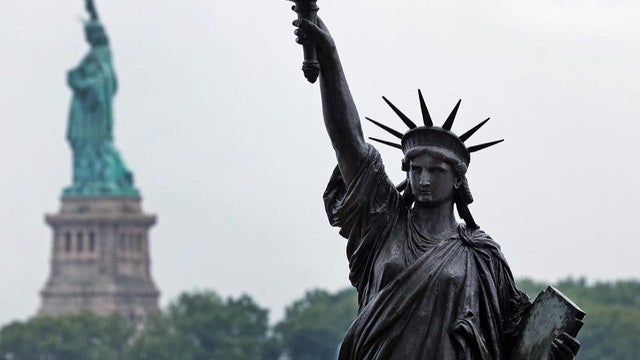
The Statue of Liberty, which has stood astride New York Harbor since 1886, welcomed another gift from France this week: a nine-foot replica, crafted from French sculptor Frédéric-Auguste Bartholdi's original plaster model.
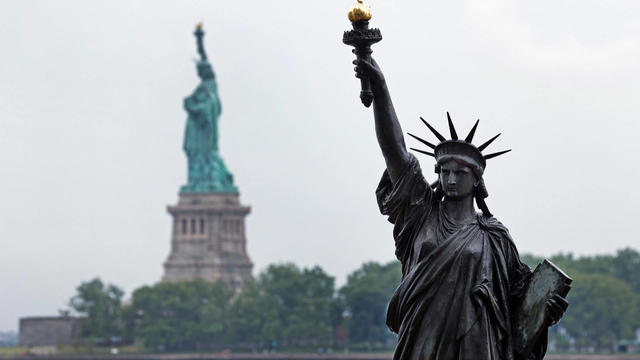
The Statue of Liberty, which has stood astride New York Harbor since 1886, welcomed another gift from France this week: a nine-foot replica – cast from French sculptor Frédéric-Auguste Bartholdi's original plaster model – as it travels to Washington D.C., to symbolize the continuing bond between our two countries. Jane Pauley reports.

"Sunday Morning" dishes up a slice of Americana: pies, as sweet and diverse as these 50 United States.

"Sunday Morning" dishes up a slice of Americana: pie, as sweet and diverse as these 50 United States. Contributor Kelefa Sanneh talks with Stacey Mei Yan Fong (whose "50 Pies/50 States" project has created edible tributes to the nation), and with Sarah Sanneh (proprietor of the Brooklyn restaurant Pies 'n' Thighs) about the perfect pie for the Fourth of July.
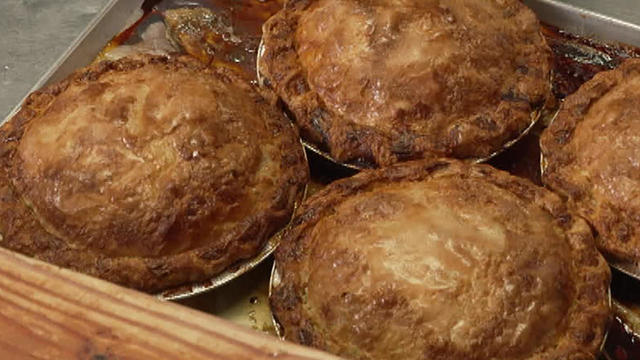
The Brooklyn restaurant's award-winning take on an all-American dessert.

The Brooklyn restaurant's take on a classic North African dish.