Sunday 9AM ET on CBS
11AM ET on the CBS News app
Sunday 9AM ET on CBS
11AM ET on the CBS News app
Watch CBS News
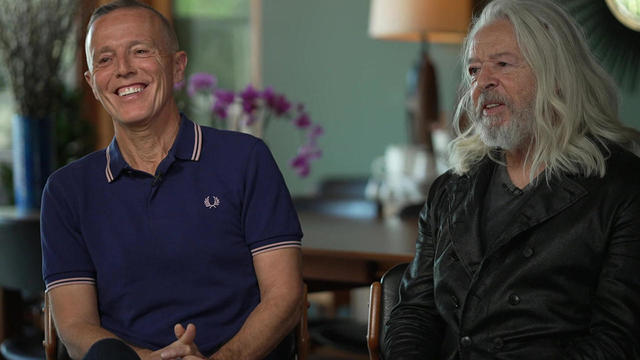
English pop rockers Roland Orzabal and Curt Smith had numerous hits in the 1980s, but split in 1991 and didn't speak for nine years. Now reunited, their first album in 17 years is a collaboration that helped heal a personal tragedy.

At Southshore Charter Academy outside Tampa, teacher Robin Hughes realized that most of her students had never seen actual snow – it hasn't snowed in Central Florida in 45 years. So, she reached out to her sister in Kentucky who agreed to ship Hughes a snowman. Steve Hartman reports on how the snow-deprived children gave the snowman, nicknamed Lucky, a very warm reception.
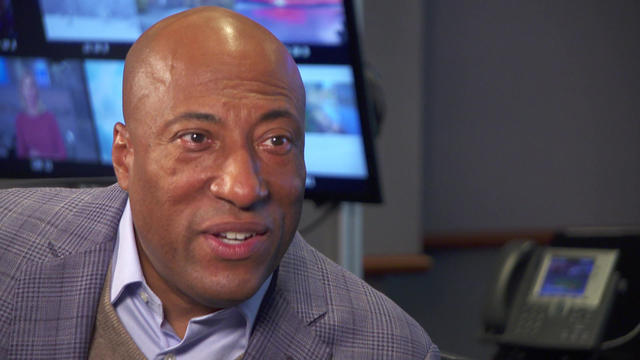
Four years ago, comedian and media mogul Byron Allen became the first Black American to own a 24-hour mainstream cable news network when he purchased The Weather Channel for $310 million – in cash. Now, Allen is preparing a bid to buy the Denver Broncos, which – if successful – would make him the NFL's first Black majority owner. Correspondent Lee Cowan talks with Allen about his entrepreneurial spirit, and his success at increasing minority ownership in broadcasting.
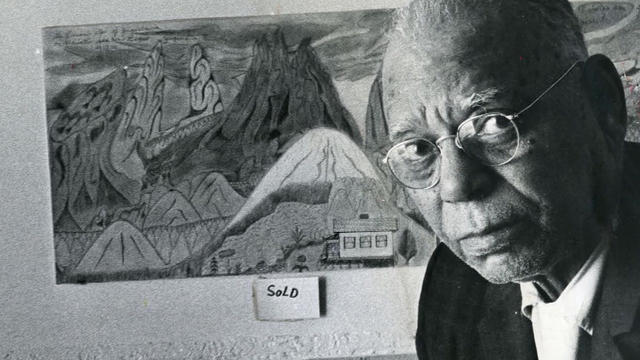
Joseph Yoakum (1891-1972) didn't start creating art until he was in his 70s. Self-taught in his use of ballpoint pens, colored pencil and pastels, Yoakum (who claimed Native American ancestry, and whose mother was a formerly-enslaved African American) created magical landscapes, now currently on view at New York's Museum of Modern Art. Correspondent Rita Braver reports.

America was built on the premise of free speech, but today's news is filled with examples of limiting expression, including book bans, social media suspensions, and laws restricting classroom discussions on race, sexual orientation and gender identity.

In a threatening show of force, Russia test-fired nuclear-capable weapons, intercontinental and submarine-launched ballistic missiles, as President Vladimir Putin moved his nation's military into attack positions around Ukraine. CBS News national security correspondent David Martin reports the latest.

With up to 190,000 Russian troops massed near Ukraine’s borders, the U.S. and its allies are now bracing for a land war in Europe. There has already been an escalation of violence in the eastern part of Ukraine, where the military has been fighting Kremlin-backed separatists. Correspondent Holly Williams reports on the latest.
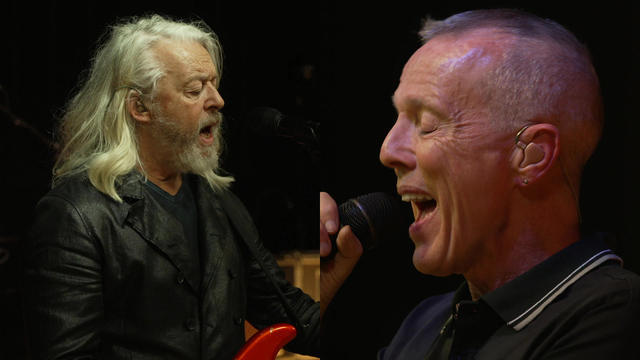
Performing as the group Tears for Fears, English pop rockers Roland Orzabal and Curt Smith had hits in the 1980s with such songs as "Shout" and "Everybody Wants to Rule the World." But after an acrimonious split in 1991, the two didn't speak to one another for nine years. They have since reunited, and are about to release Tears for Fears' first album in 17 years, "The Tipping Point." Correspondent Tracy Smith sits down with Orzabal and Smith – soon to embark on a U.S. tour – to find out how their musical collaboration helped heal a personal tragedy.

America was built on the premise of free speech, but today's news is filled with examples of limiting people's expression – from prohibitions against misinformation, to book bans and state laws restricting how teachers can discuss such topics as racial injustice, sexual orientation, and gender identity. Correspondent David Pogue talks with writers and academics about free speech and a corresponding climate of self-censorship; and with a New Hampshire history teacher who says, "The ghost of Senator McCarthy is alive and well in some of our state house hallways."

Collectors go for the gold in what is one of the most competitive of Olympics events: trading hard-to-find pins that commemorate the Games.

A look at the features for this week's broadcast of the #1 Sunday morning news program

We leave you this Sunday morning at Cape Kidnappers in New Zealand, with gannets, who mate for life. Videographer: Jaime McDonald.

In honor of Valentine's Day, filmmaker Josh Seftel checks in once again with his mother, Pat, to ask some timely questions.
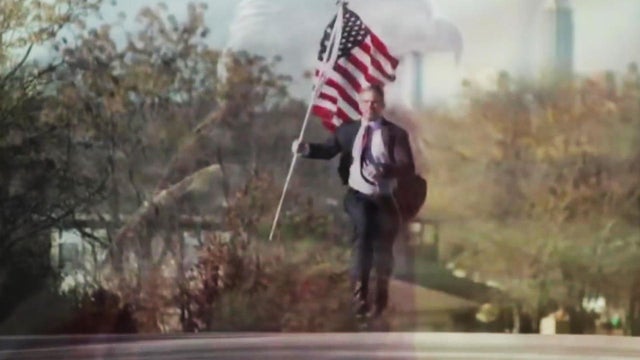
It was once a crime for lawyers to hawk their services. How did commercials selling legal advice become so pervasive – and so bonkers?

"Injured?" If you've turned on a TV in the past four decades, you've seen appeals from attorneys claiming that they will fight for YOU. But it was once a crime for lawyers to hawk their services. How did commercials selling legal advice become legal – and so pervasive? Correspondent Conor Knighton reports on the rise of lawyer ads, some of which may be judged as simply bonkers.