When will Americans be able to get a COVID-19 antiviral pill?
Merck and Pfizer are pursuing emergency authorization for pills to treat COVID-19.
Watch CBS News
Merck and Pfizer are pursuing emergency authorization for pills to treat COVID-19.

Pfizer says its antiviral COVID-19 pill is 89% effective at prevent hospitalizations and 100% effective against deaths from the virus if taken within three days of a person experiencing symptoms. Dr. John Moore, professor of microbiology and immunology at Weill Cornell Medical College, joins CBSN's Tanya Rivero to discuss the potentially life-saving drug.
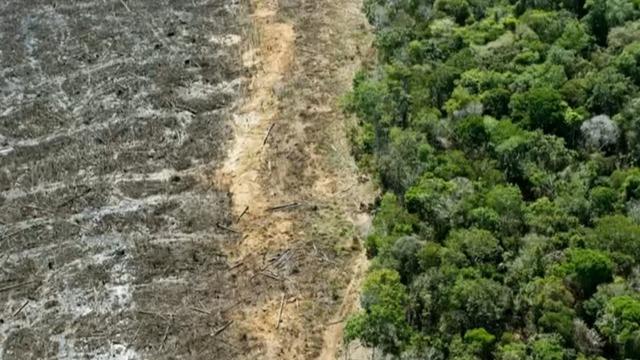
As world leaders gather for the U.N.'s climate change summit this week, some experts say the U.S. should shift its focus on climate change in the interest of national security. Sherri Goodman, a senior fellow at the Wilson Center who analyzes how climate affects policy across the globe, joins CBSN AM to discuss the COP26 conference and its implications.

On "The Takeout" podcast this week, Pogue talks about the mission for his new podcast series "Unsung Science."

Pfizer and Merck have both developed antiviral pills that could help reduce the risk of hospitalization or death from COVID-19. Dr. Giridar Malyah, senior policy officer at the Robert Wood Johnson Foundation, joins CBSN to discuss the latest on the coronavirus pandemic.

The Quileute Tribe in western Washington has lost land before. This time, it's because of climate change.

Climate change is threatening the Quileute Tribe's reservation along the Pacific Ocean in Washington. The tribe may be forced to give up its land. Ben Tracy reports.
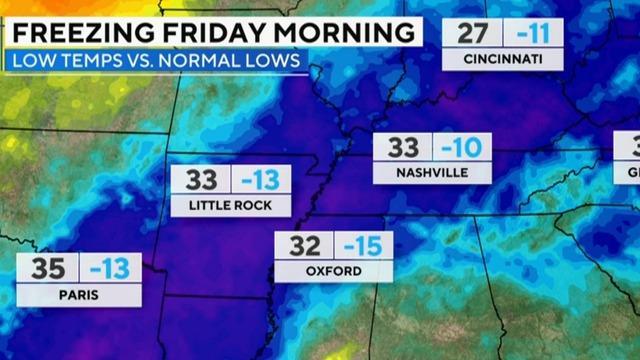
Frost alerts are posted across the U.S. as temperatures run 10 to 15 degrees below normal for this time of year.
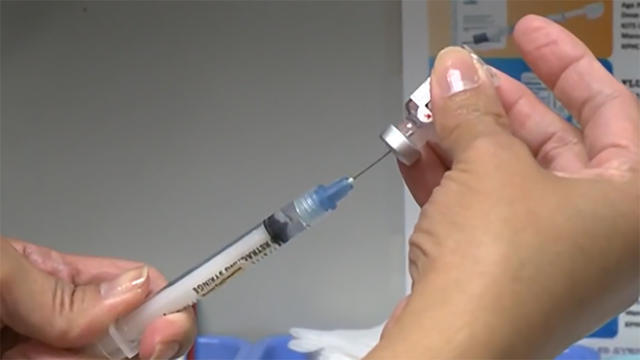
The rate of cervical cancer was 87% lower in women who were vaccinated against HPV between the ages of 12 and 13 compared to an unvaccinated group, according to a new study. Dr. Jon LaPook has more.
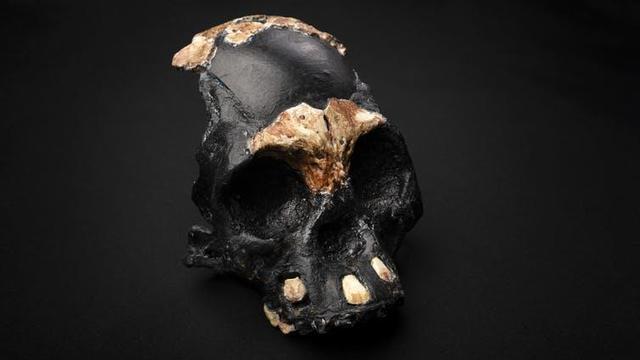
The nearly 250,000-year-old skull is the first ever found of a child from this branch of the human family tree.