"Potentially hazardous" asteroid to have close encounter with Earth
January 18 will be the closest the asteroid has come to Earth since 1933.
Watch CBS News
January 18 will be the closest the asteroid has come to Earth since 1933.

Sensors on a reverse submarine allow a fish to navigate land, and fish understand that they need to find a target and drive the car toward that target. Ian Lee has the story.
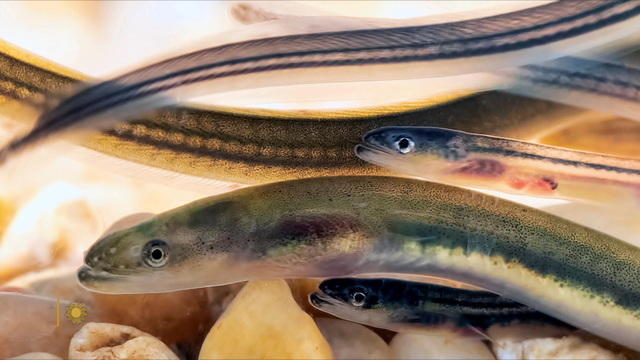
Eels have a slippery reputation, transforming themselves in saltwater and freshwater environments – and no one knows exactly how they reproduce in the wild. Correspondent Conor Knighton talks with experts who share their fascination with the unknowable mysteries of the eel.
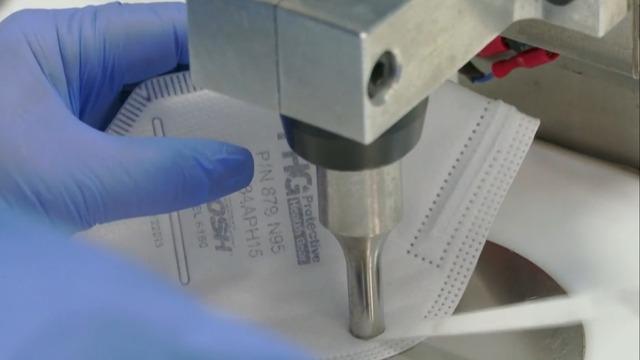
Despite the Omicron variant showing signs of slowing down in early hotspots, it is still causing shifts and changes to daily life. Factories are back to making N-95 masks around the clock, schools are reconsidering remote learning and some businesses are requiring vaccine cards. Michael George reports.
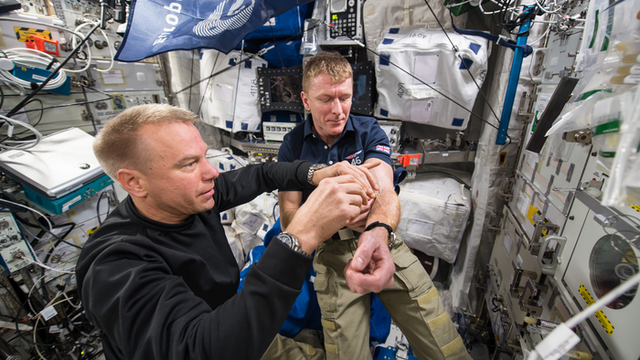
The world-first study found that more than 3 million red blood cells were killed a second in space, compared to just 2 million on Earth.

A study found the birds are eating hunters' gunshot ammunition, decreasing their population growth by 4 to 6%.

A new report from scientists at NOAA says the Earth simmered to its sixth hottest year on record in 2021. It was also the third costliest year ever for extreme weather disasters. NOAA's Russell Vose joins CBSN to discuss the findings.

U.S. greenhouse gas emissions, which are helping warm the planet, increased by 6.2% in 2021.

Former Vice President Al Gore admits he still hasn't completely gotten the message of his film, "An Inconvenient Truth," across, but he is hopeful for the future, mostly because of the energy in the streets by young people protesting climate inaction by world leaders. Ben Tracy spoke to Gore.

An experimental vaccine could help fight the nation's opioid epidemic. Nearly 1 million Americans have died from drug overdoses in the last two decades, with more than 70% of them involving opioids. Dr. Jon LaPook takes a look.