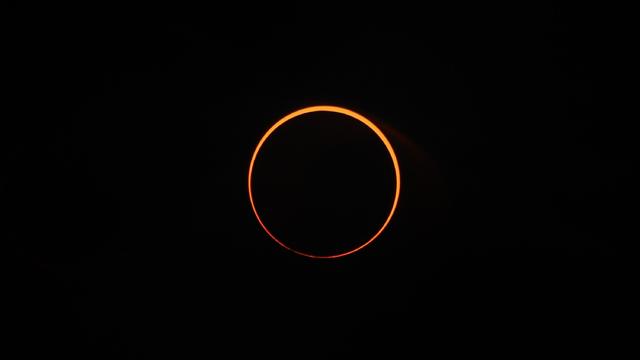
How to watch rare "ring of fire" solar eclipse Saturday
A rare "ring of fire" solar eclipse will move across the U.S. on Saturday. NASA shared a viewing map and timeline.
Watch CBS News
A rare "ring of fire" solar eclipse will move across the U.S. on Saturday. NASA shared a viewing map and timeline.
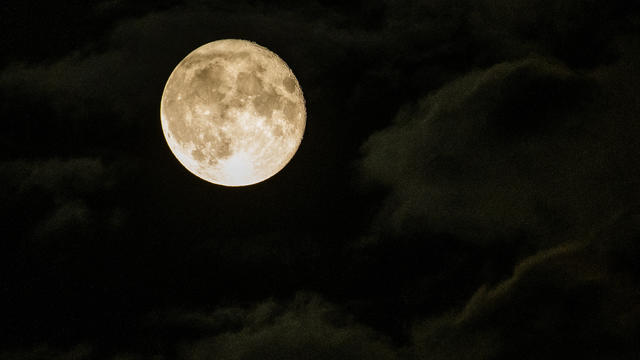
On Aug. 30, you will be able to see the month's second full moon, also known as a blue moon. It will appear bigger and brighter than usual, making it a supermoon, too.

India became the first country to land a spacecraft near the moon's south pole on Wednesday — a historic voyage to uncharted territory that scientists believe could hold vital reserves of frozen water, and a technological triumph for the world's most populous nation.
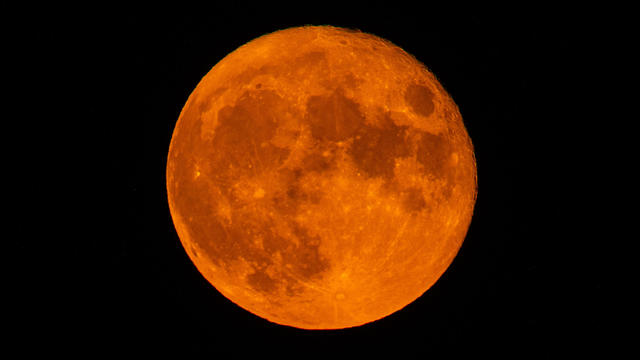
August features a pair of supermoons. The second supermoon will be a rare blue moon.
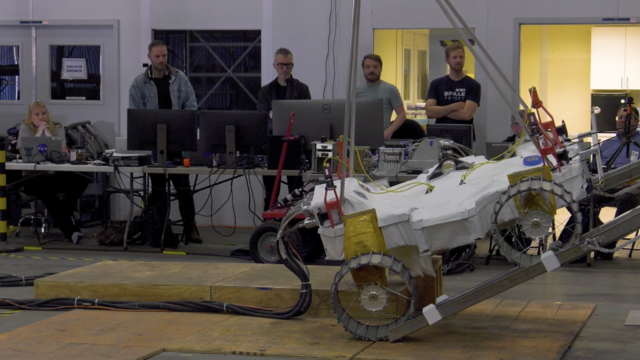
NASA engineers tested the first robotic moon rover last week as its prototype practiced descending off a test model of a lunar lander ramp at the Ames Research Center in Silicon Valley.
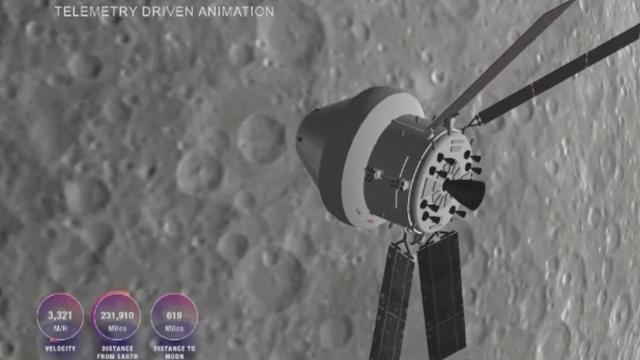
NASA’s Orion capsule is now headed into a distant orbit around the moon after flying closely over the lunar surface Monday morning. This comes after it launched into space last week atop the Artemis 1 rocket. Cristian Benavides reports.
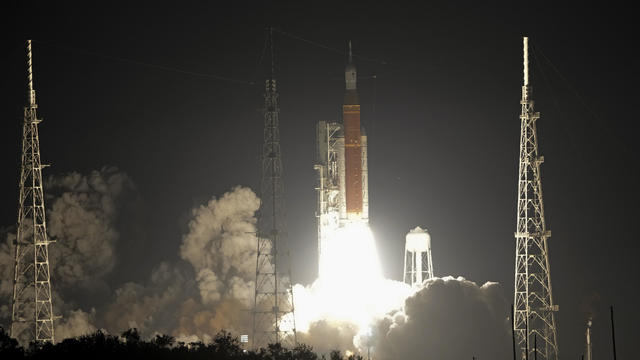
NASA's new moon rocket blasted off on its debut flight early Wednesday, bringing the U.S. a big step closer to putting astronauts back on the lunar surface for the first time in 50 years.
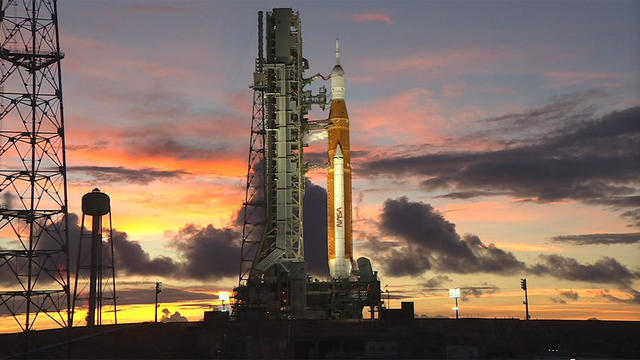
If all goes well, the SLS rocket will send an unpiloted Orion capsule on a nearly monthlong journey to circle the moon and return to Earth.
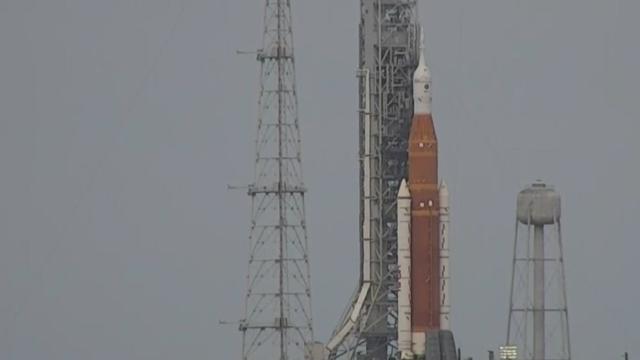
NASA’S most critical launch in more than a decade was set to happen Tuesday, as part of an effort to land another astronaut on the moon within two years. Brian Hackney reports.
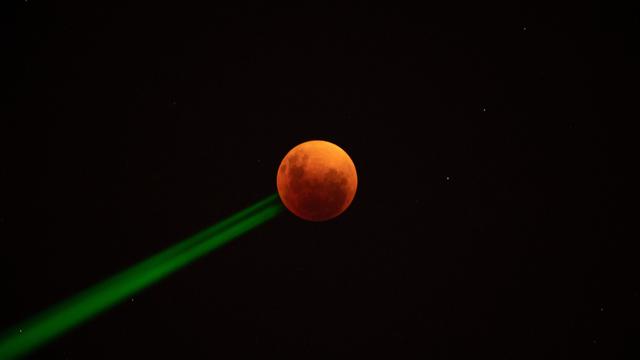
NASA said the eclipse will provide a little "celestial magic" during the so-called Beaver Moon.
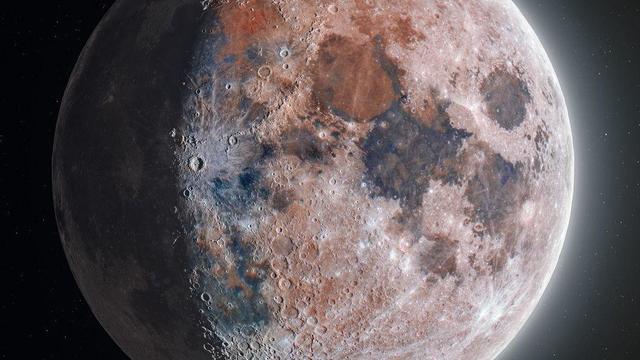
The duo took thousands of photos to create the glowing image of Earth's lunar companion – and it does not disappoint.

For many across the Bay Area, Sunday night's total lunar eclipse was spectacular but, due to a pesky marine layer, it was hit-or-miss. Brian Hackney and Juliette Goodrich report. (5-15-22)
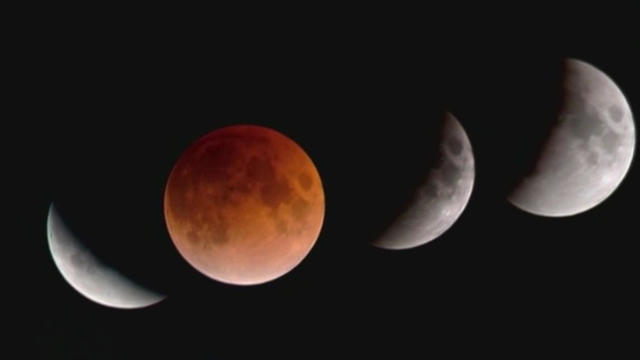
Brian Hackney (with some help from Bill Nye the Science Guy) lays out what you should plan to watch this Sunday night (and it's not streaming or on cable). (5-13-22)
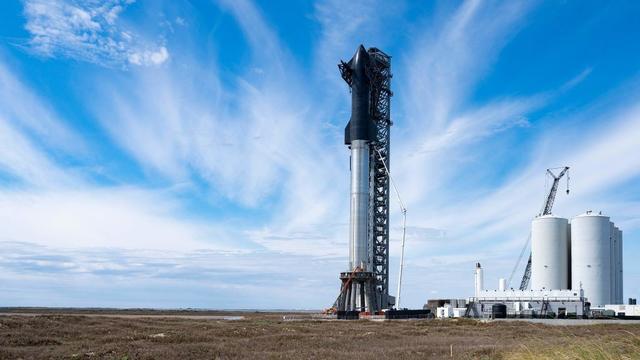
SpaceX CEO Elon Musk spoke for over an hour Thursday night in a hotly anticipated discussion about Starship, which the company hopes will one day take humans to Mars and that will play a key role in NASA's plans to return humans to the moon.
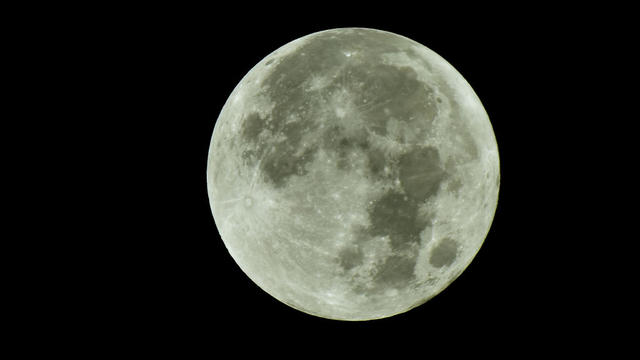
NASA wraps up a busy October with another significant announcement regarding the discovery of molecular water on the sunlit surface of the moon.
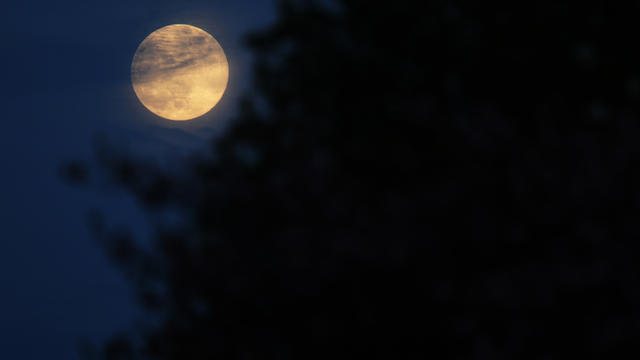
There is a celestial double-feature playing in the night sky: a Supermoon and a Pink Moon.
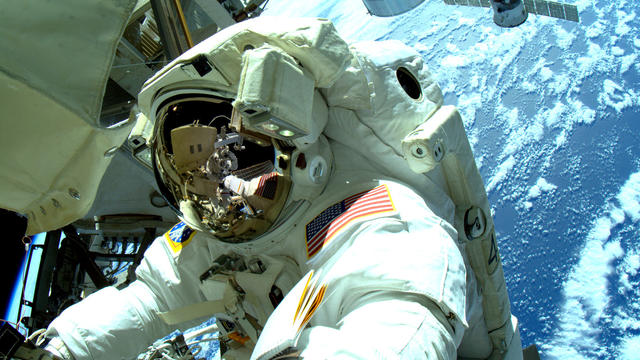
Have you ever dreamed of becoming an astronaut? As NASA prepares for a manned launch to the International Space Station this year and with missions to the Moon and Mars on the drawing board, the agency announced Wednesday it will begin taking application for future astronauts.
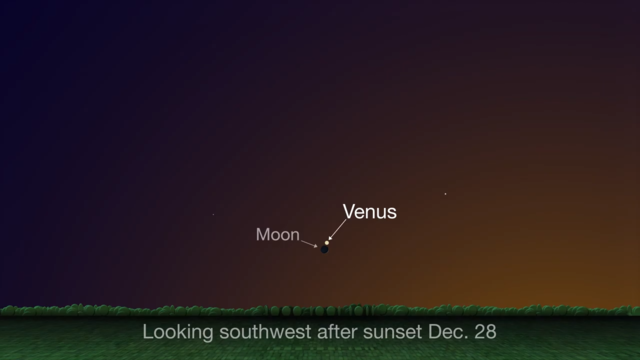
For about two hours Saturday evening, the crescent moon and Venus will pair up for a celestial treat.
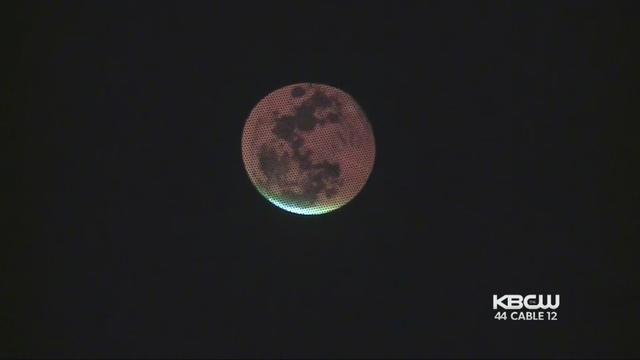
The clouds parted right in time for the epic celestial lunar eclipse to begin shining brightly over the Bay Area on Sunday evening.

NASA has offered to give NBA superstar Steph Curry a tour of one of its lunar labs after the Golden State Warriors guard said on a podcast that he doubts humans landed on the moon.
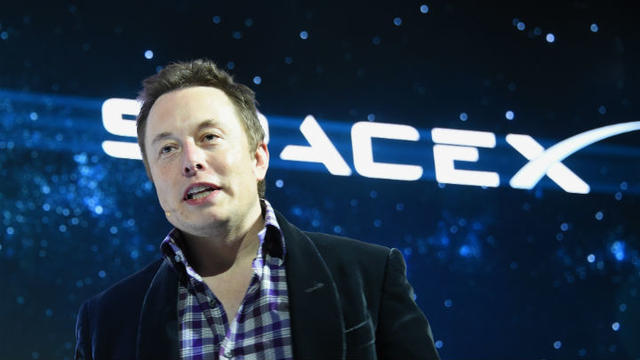
SpaceX said it has signed the first private moon traveler, with some changes to its original game plan.

Scientists have long believed that water ice could exist in the ever-dark recesses at the moon's poles and that belief has finally been confirmed in a paper published in the Proceedings of the National Academy of Sciences on Aug. 20.

Curiosity and awe have greeted a complete lunar eclipse, the longest one of this century and visible in much of the world.
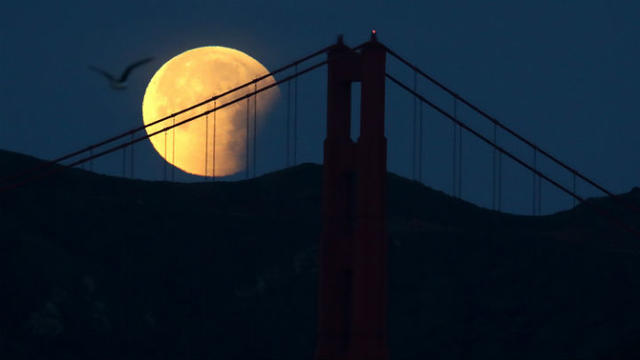
The moon put on a rare cosmic show early Wednesday in the skies over the Bay Area.
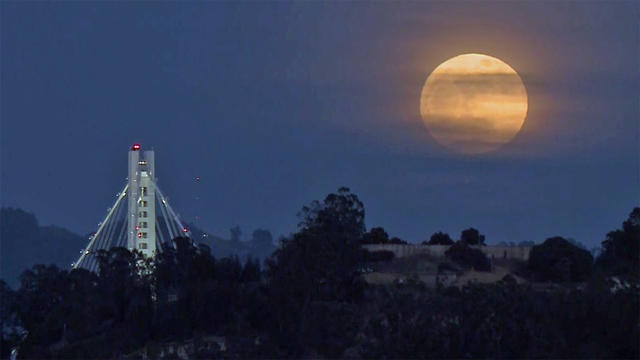
There will be more than just fireworks lighting up the night sky this New Year's. According to NASA, January's first full moon -- nicknamed a wolf moon -- will take place on January 1.