Why does thunder sound louder at night? | Hey Ray

Have you ever noticed that thunder could sound different depending on when you are experiencing a thunderstorm?
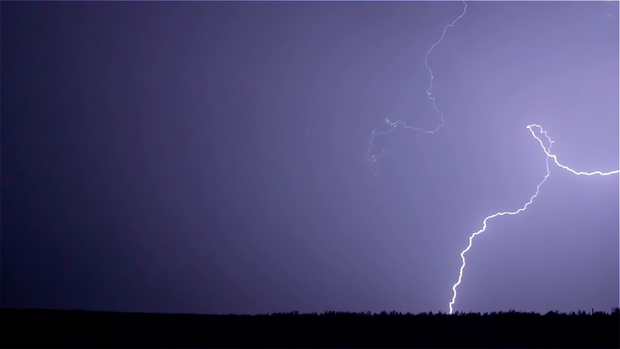
Marian did!
After a recent storm, she sent a message asking:
"The thunderstorm that rolled through Hampton Twp. early this morning had very loud, long, house-shaking thunder. We haven't had a storm like that in a long time. The week before, we had a lightning strike fairly near our house, which was incredibly loud, but we didn't notice it shaking the house. What causes the thunder to be so different in storms?"
If you have a thunderstorm late at night or early in the morning, sometimes the atmosphere can enhance or prolong the thunder.
This is the time when you are most likely to have an inversion. That is a layer of warmer air located above cooler air at the surface.
We talked about this before when we discussed a thunderstorm "cap" and a setup for smog.
Those same conditions can make your nighttime or early morning thunder extra loud!
And this setup is not necessarily making the storm stronger.
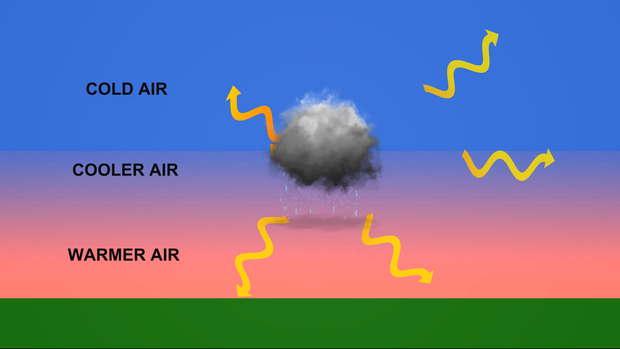
Under normal conditions, the thunder's sound waves will travel in every direction. When an inversion is set up, those sound waves travel outward and upward toward the inversion, which bounces them back to the surface.
This can cause the thunder to be much louder and rumble a lot longer than in the daytime.
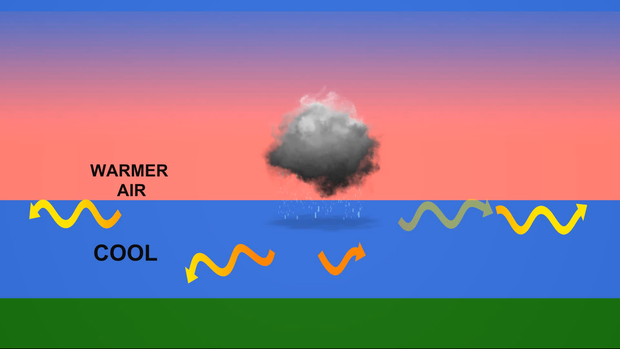
This is actually a form of atmospheric ducting.
The atmosphere creates a "duct," and the sound waves travel within it. You may be more familiar with ducting if you have an antenna and randomly get a TV station from far outside of our area, or a radio station from far away gets picked up.
The TV and Radio Waves bounce and travel farther in those scenarios!
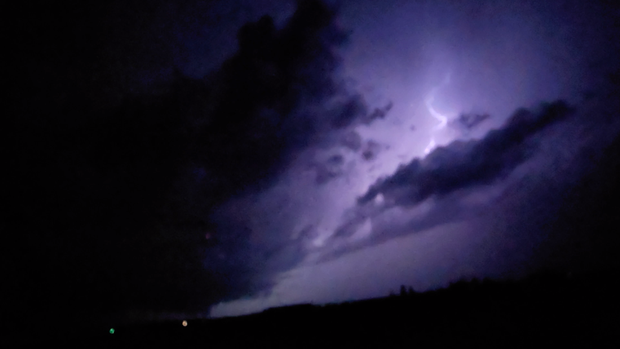
It is just loud thunder that wakes you up is not the TV show or song you want to hear!


