Pittsburgh's finances are "in a delicate position," controller says
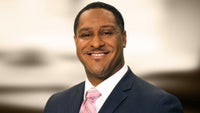
With an anticipated 2027 budget from Pittsburgh Mayor Corey O'Connor expected to be released next week, City Controller Rachael Heisler spoke to the Pittsburgh Economic Club Thursday at the Fairmont Hotel Downtown, giving the current state of the city's finances, recapping events that led to current fiscal challenges and looking for ways of improving its long-term outlook.
Heisler recapped the findings from the city's Comprehensive Financial Report. Released in May, it found that in 2025, the first year without funding from former President Joe Biden's American Rescue Plan Act, the city had a budget deficit of more than $44 million. She also expects a deficit of between $25 million to $30 million in 2026, thanks to debt repayments and a lack of accounting for expenditures during former Mayor Ed Gainey's administration.
"We are in a delicate position, and we do not have a lot of room for error," Heisler said. "We've been very, very upfront for the last two and a half years about where things are headed."
Heisler credited the O'Connor administration for reopening the budget earlier this year, getting all the qualifying expenditures on paper and acknowledging the upcoming deficit. She also pointed to a number of bright spots, like real estate tax staying on pace with last year and earned income tax outpacing the prior and current year projections.
According to Heisler, the city's pension fund is 80% funded, and she considers that a healthy outlook. She also said the city's population is stable, which means the tax revenue base should also remain stable.
The biggest bright spot in Heisler's estimation, however, has been the voluntary payments the city has received from nonprofits. Earlier this year, UPMC and Highmark committed to donate a combined $55 million over the next five years to help replenish the city's EMS and fire department fleets, respectively.
The current budget for fleet vehicle maintenance is $1 million per month, and Heisler estimates more than half the city's fleet is past its expected life cycle.
"It is a huge blessing to the city, particularly to city residents," she said. "We're able to spend money, our resources, on other things because of money that has been allocated to things like the fleet."
Heisler also pointed to a few areas of concern, like the reduction in parking tax revenue in April, a loss of $5 million likely due to Pittsburgh hosting the NFL Draft. During that time period, city residents and those who work downtown were encouraged to stay home or take public transit. Also, tax revenue from alcoholic beverages and hotel occupancy during the draft went to Allegheny County, not the city.
"The draft was a great event for the city," Heisler said. "The city shined, particularly our public safety and public works employees that executed an incredible event. But the reality is events like that cost money, and the ROI won't be in direct revenue to the city in the immediate term."
As far as long-term opportunities to improve city revenue, Heisler mentioned potentially revisiting the local services tax, which is currently a dollar per week for city residents and those who work within city limits, and her support for a property tax reassessment.
"We need to have a property reassessment, and it needs to happen on regular intervals," she said.
Heisler also cited the eight universities within the Pittsburgh metro area as an asset and an opportunity to showcase the city to young people for half a decade while they earn their undergraduate and postgraduate education.
"We need to figure out how to get those kids into a pipeline to employment," she said. "And how do you get them to stay in the city, and also stay in the region? It just needs to be a more intentional conversation."
Heisler reassured attendees that Pittsburgh is facing the same challenges as other cities in the post-COVID economic landscape, but she remains optimistic that these problems can be fixed, and the city has faced harder challenges before.
"While hard choices are no longer optional, they are inevitable," she said.


